 kage
kage
flowoapp.com
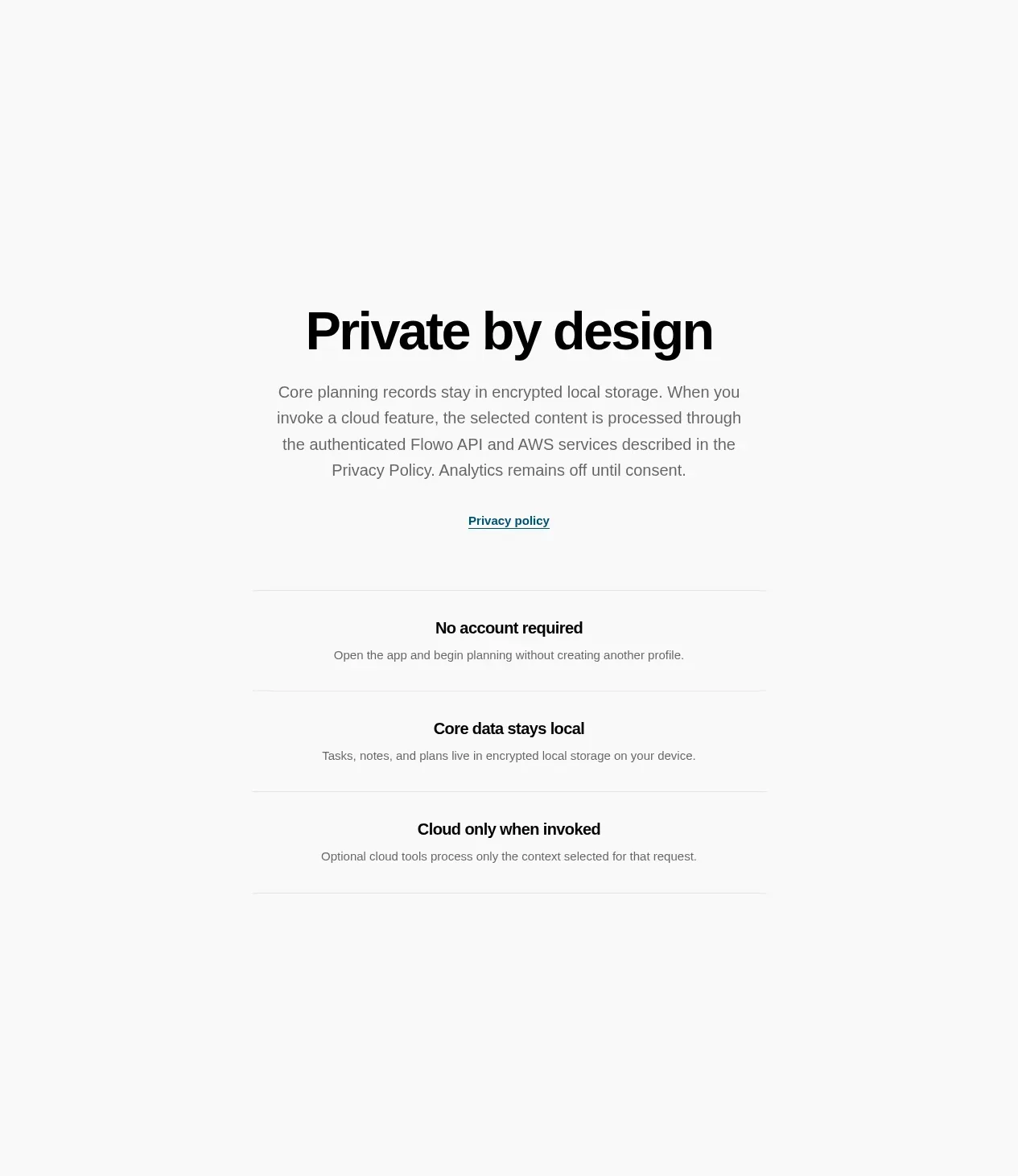
Design analysis
A final editorial statement reframes the product around the user's lived context before transitioning into privacy and trust details.
Prompt preview
## Reference images

Study these alongside the description below: hierarchy, rhythm, spacing, colour. Build for the product you are asked about, using this design language.

- Component: https://kage-design-assets.t3.tigrisfiles.io/components/flowo/46dcd8ed-31a5-4fb1-ab3b-3d3a2b966cfb-1791439603-6.webp
- Full page it was cut from: https://kage-design-assets.t3.tigrisfiles.io/screenshots/flowo/46dcd8ed-31a5-4fb1-ab3b-3d3a2b966cfb-1791439391035-full.webp
- Component on Kage: https://kage.design/component/flowo-cta-3

## Before you start
Ask who the user's product is for, what busy or difficult context they are in, and what emotional takeaway should lead into the trust section. Use original wording and visuals.

Build a calm audience-focused statement section. Make the user feel understood with one large headline and optional short subtext, then use the spacious transition to prepare them for practical trust information.

- Keep the statement centered and limited to 5–7 lines at most.
- Use 38–56px bold typography with 0.95–1.05 line-height and responsive interpolation.
- Maintain a quiet palette: `#FAFAF8` background, `#111111` text, `#6F6F6F` supporting copy.
- Use 160–240px vertical padding and no dense secondary modules.
- If an action is present, make it a low-emphasis text link rather than a competing primary CTA.

Never use logos, product names, copy, illustrations, or imagery from the reference.
More components
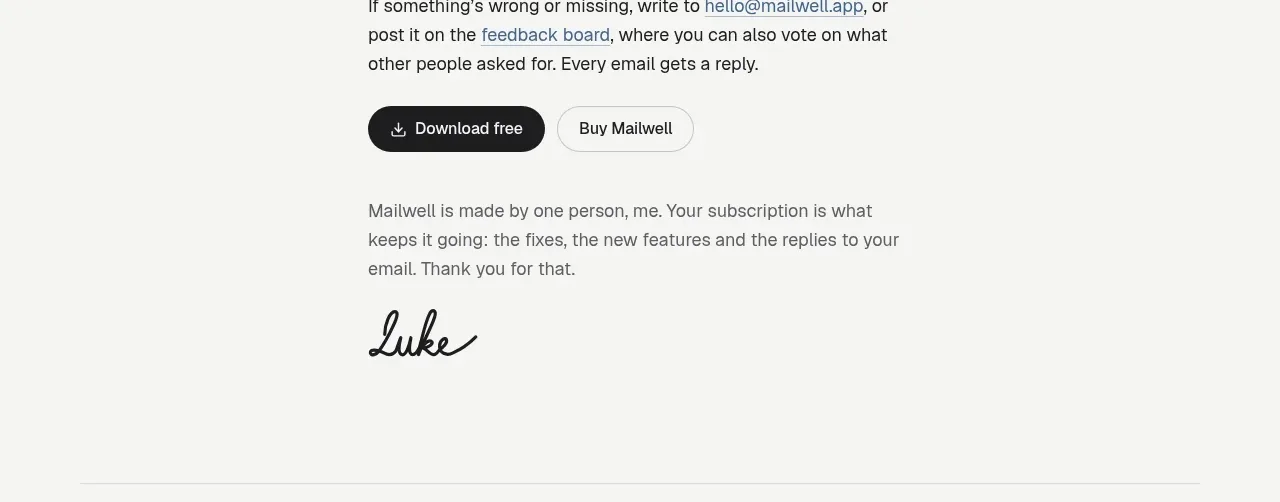
 Trial and purchase call to action
Mailwell · Call to action
Trial and purchase call to action
Mailwell · Call to action
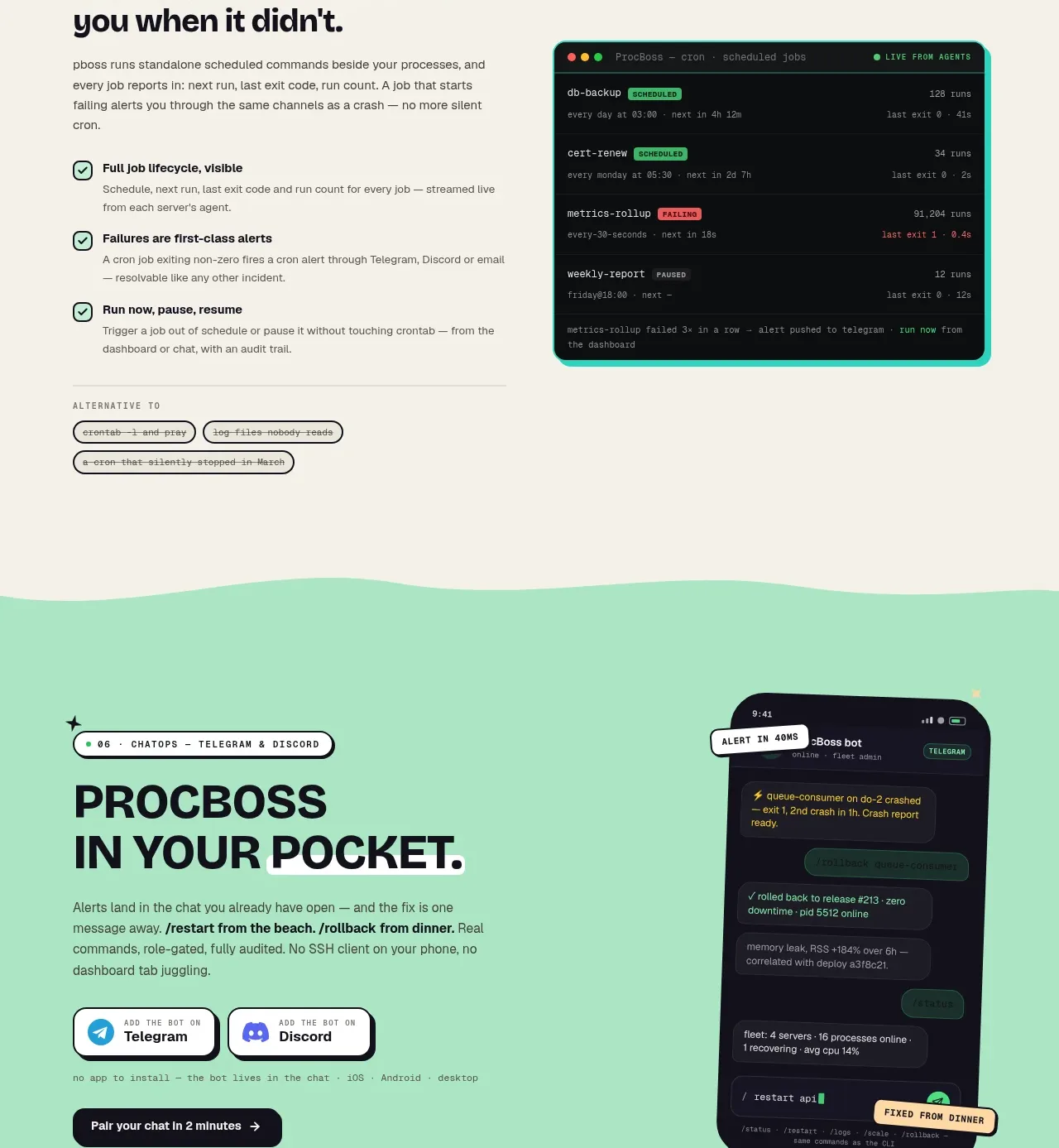
 Pocket alerts call to action
ProcBoss · Call to action
Pocket alerts call to action
ProcBoss · Call to action
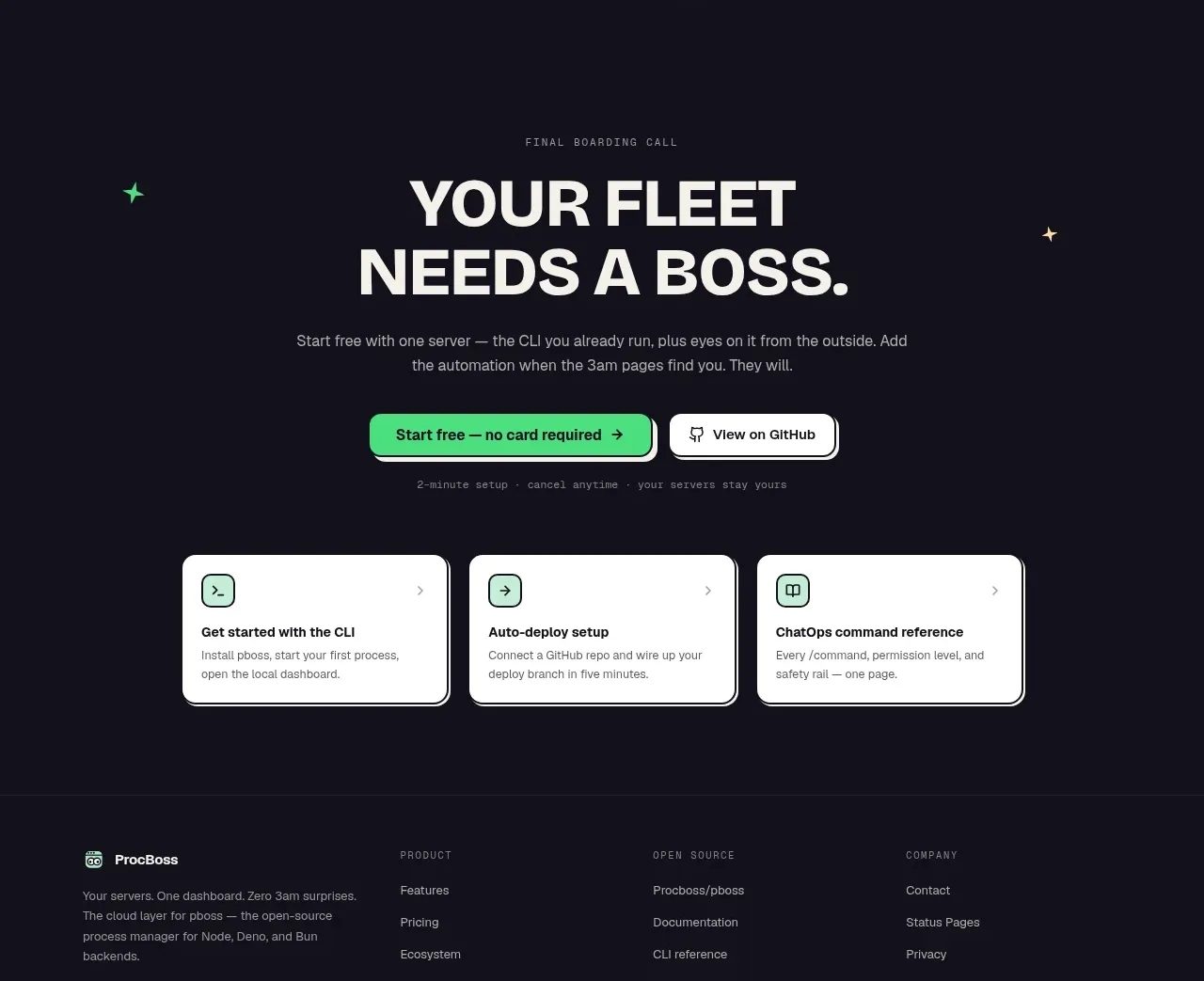 Dark final conversion band
ProcBoss · Call to action
Dark final conversion band
ProcBoss · Call to action
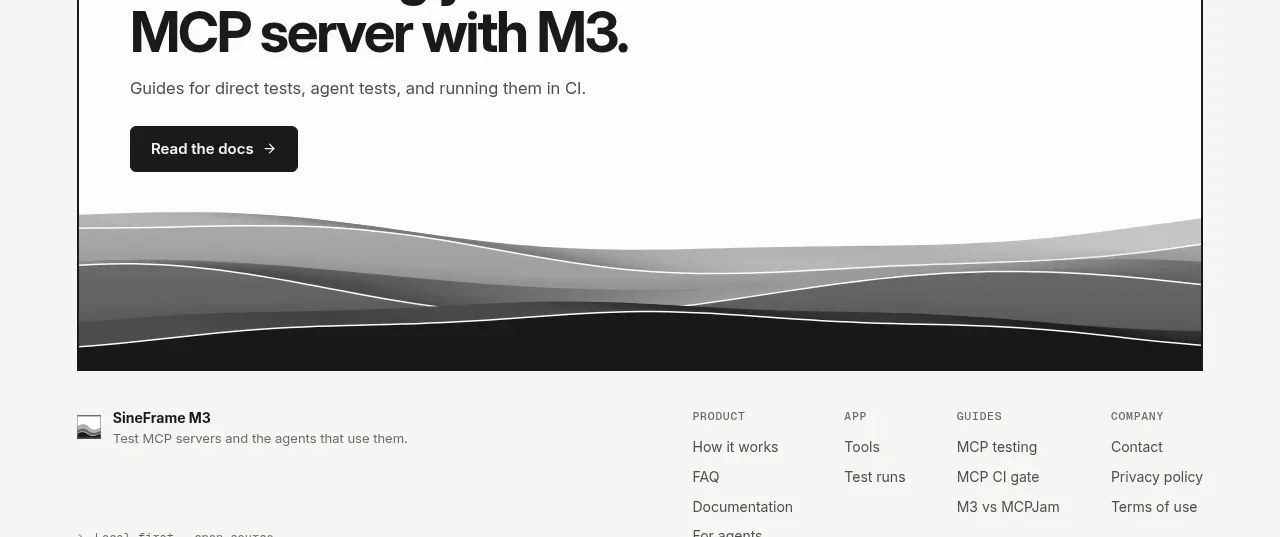
 Documentation call to action
SineFrame M3 · Call to action
Documentation call to action
SineFrame M3 · Call to action
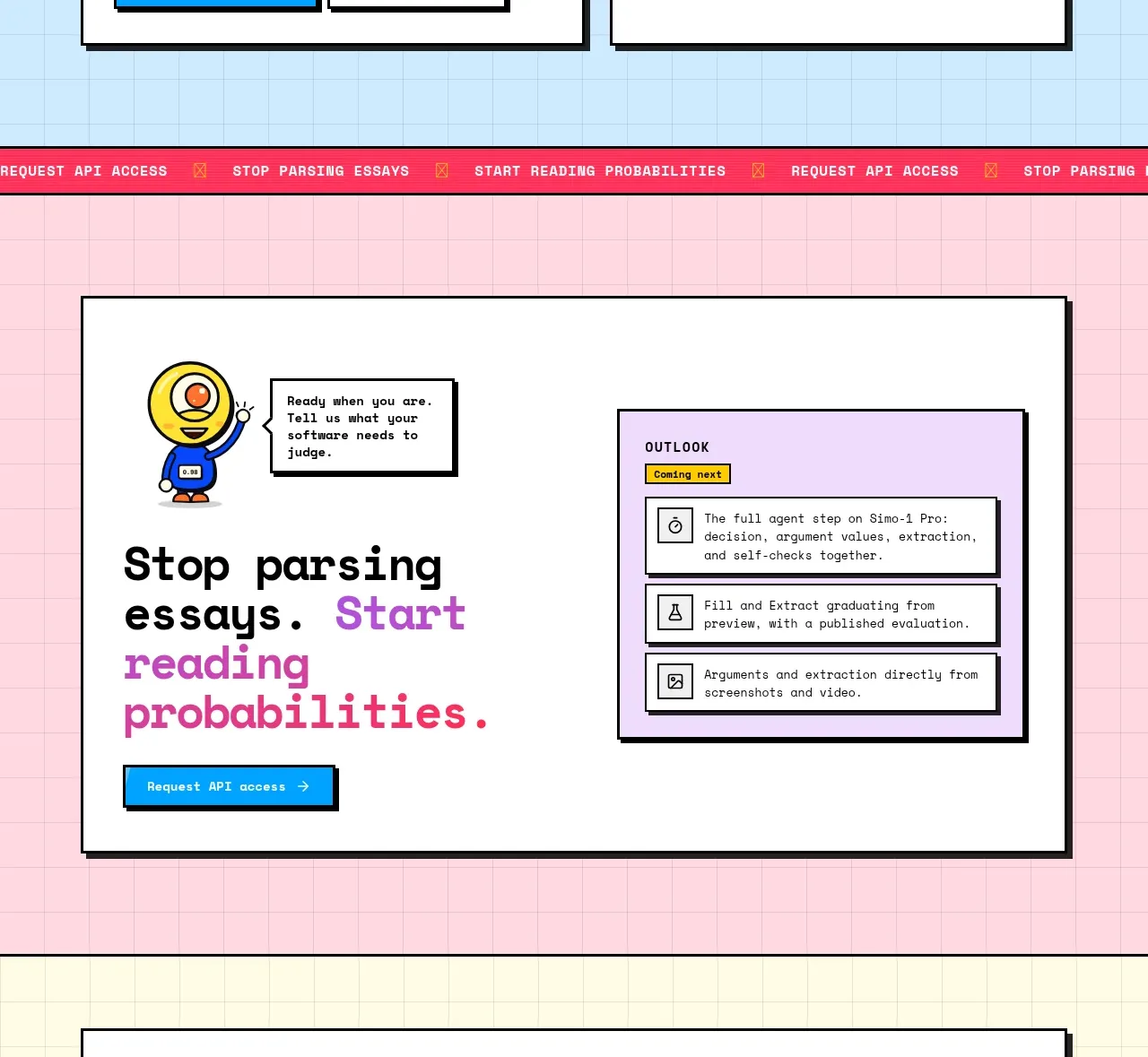
 Conversion call to action
Simo · Call to action
Conversion call to action
Simo · Call to action
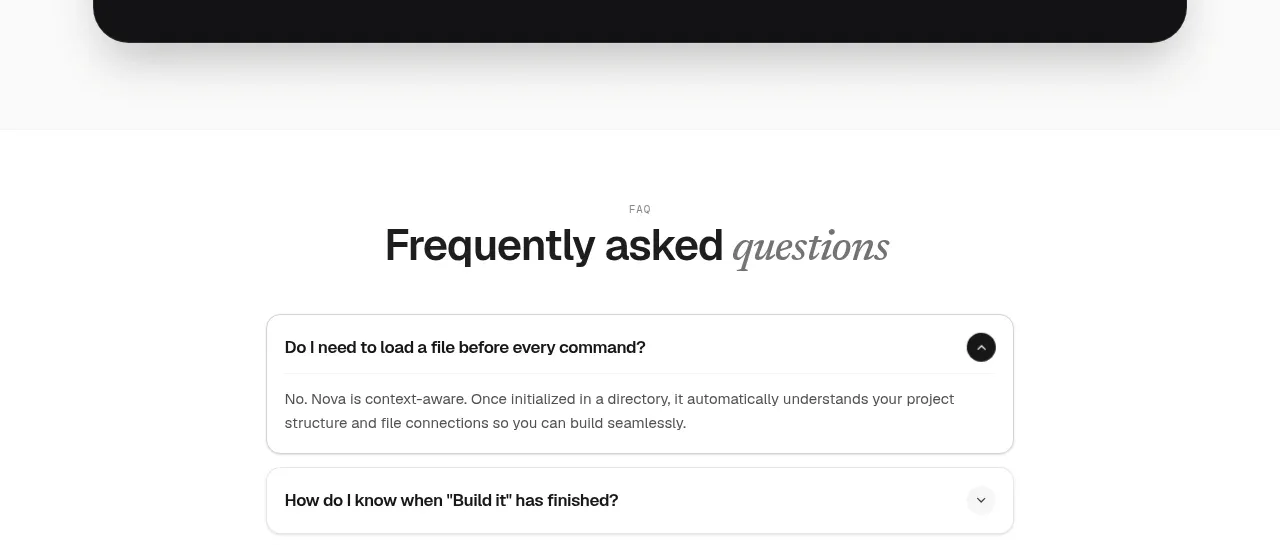
 Install command CTA
NOVA CLI v1.0 · Call to action
Install command CTA
NOVA CLI v1.0 · Call to action