kage
kage
incredible.one

Design analysis
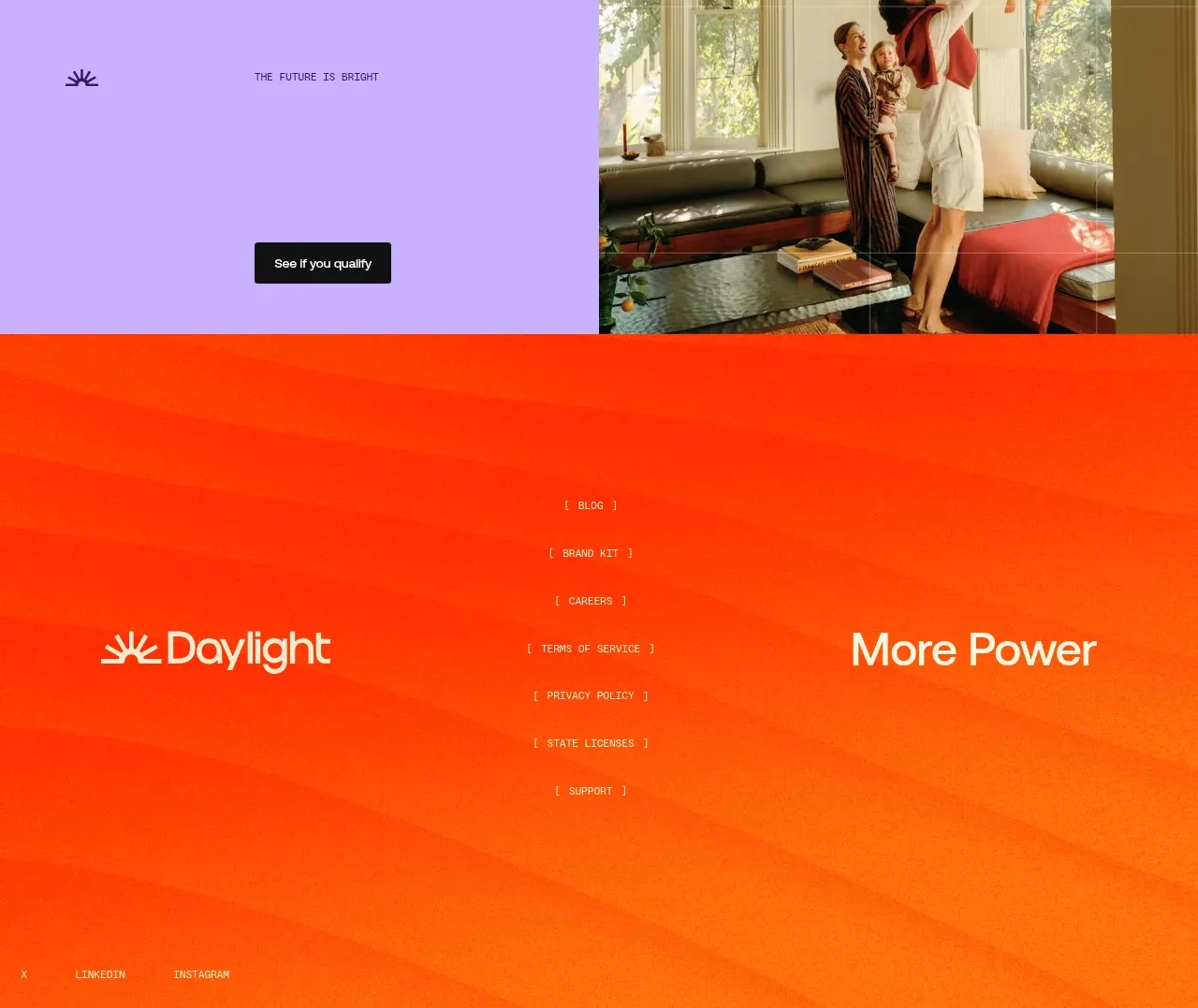
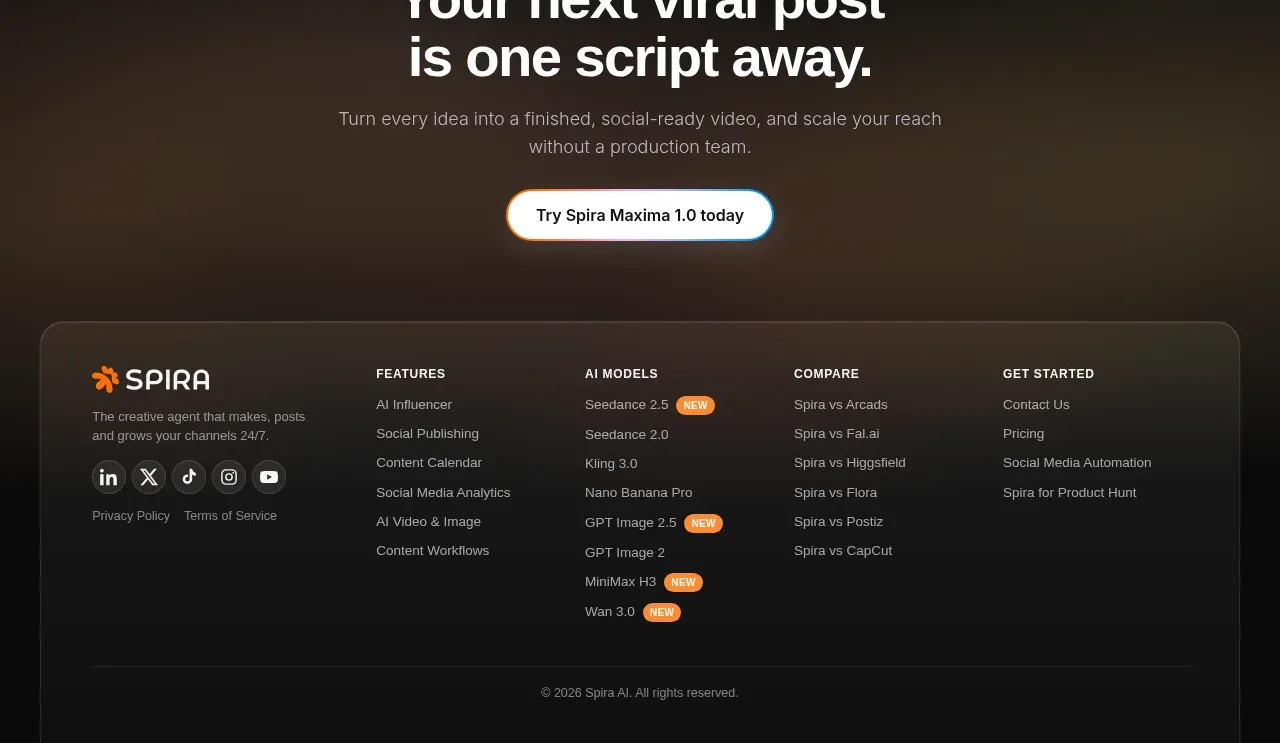
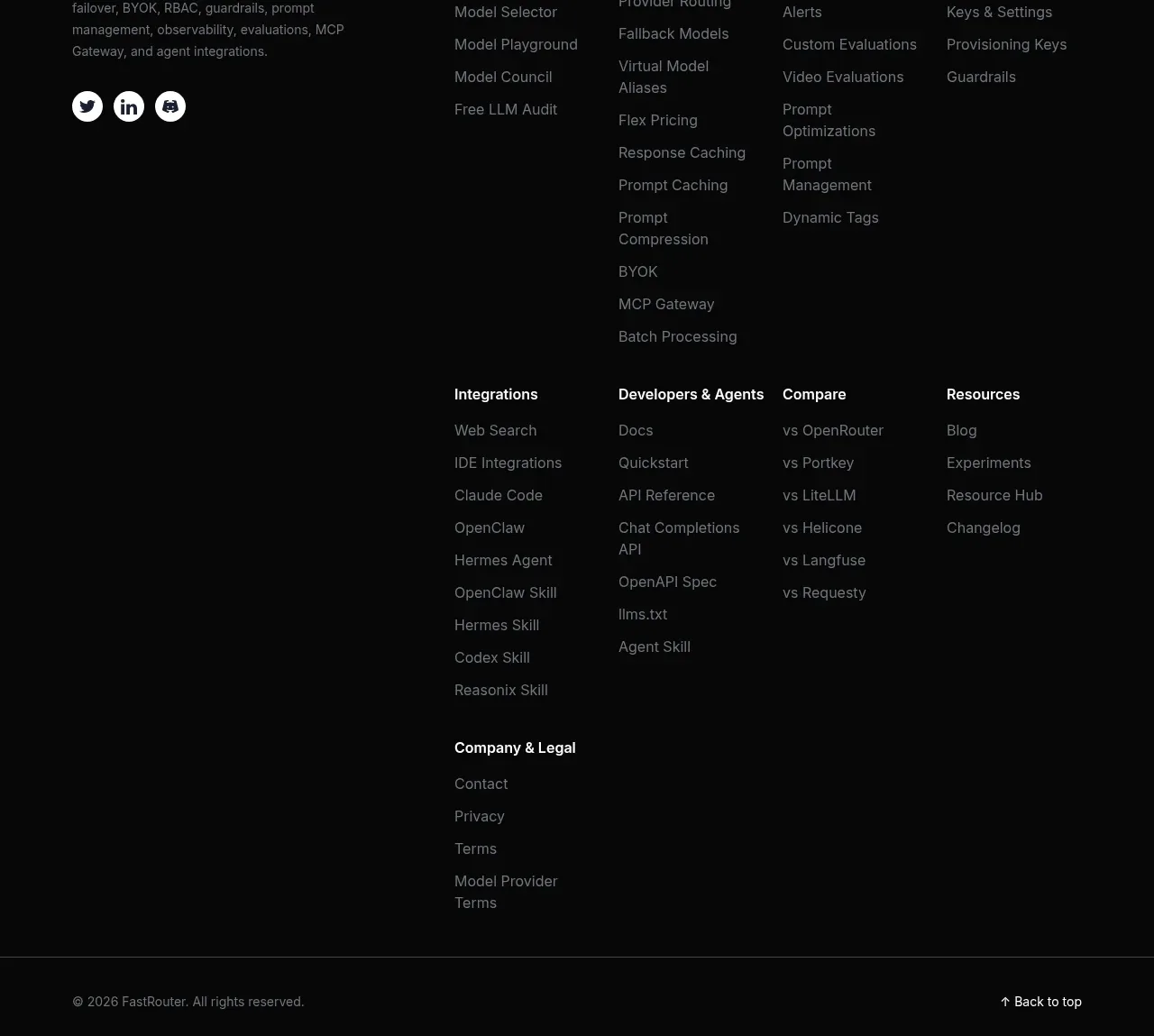
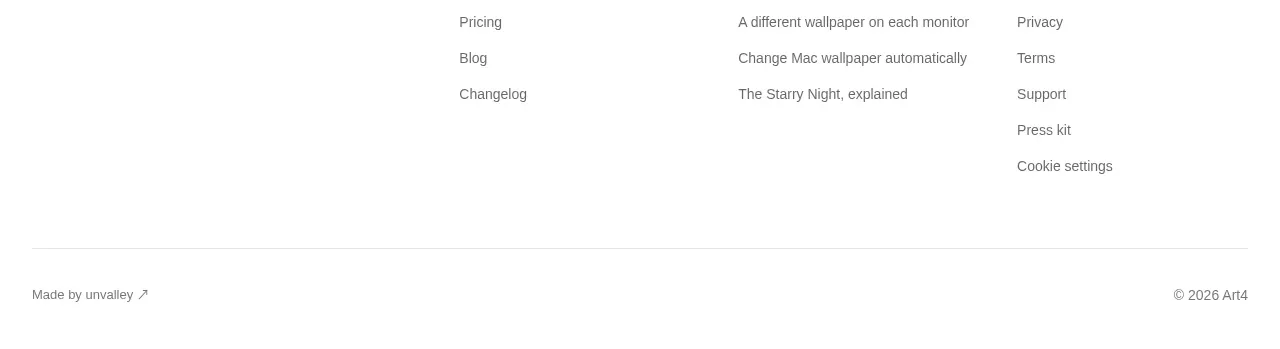
The visible lower-page background shift indicates a distinct footer region, though its internal content is not confidently visible in the capture.
Prompt preview
## Reference images

Study these alongside the description below: hierarchy, rhythm, spacing, colour. Build for the product you are asked about, using this design language.

- Component: https://kage-design-assets.t3.tigrisfiles.io/components/incredible/a967b774-2b17-4a91-b40d-fd5f367a0b1c-1791353135-4.webp
- Component on Kage: https://kage.design/component/incredible-footer

## Before you start
Ask what legal, support, social, and product destinations the user's brand needs in its footer. Apply the principles below to that product rather than copying the reference.

Create a full-width footer separated from the page by a soft background shift, using a very light neutral surface such as #f6f6f4. Give it generous vertical padding and a centered max-width layout. Organize the brand summary on the left and a few concise link groups on the right or below, with 13–14px muted-gray links, clear group labels, and comfortable row spacing. Include a bottom line for copyright, privacy, and terms. Use subtle borders (#e6e6e3), modest corner radii for any cards, and responsive stacking on mobile. Add hover and focus states without making the footer visually louder than the main conversion areas.

Never: use the reference's logo, product name, exact footer copy, illustrations, imagery, or brand assets.