 kage
open.cx
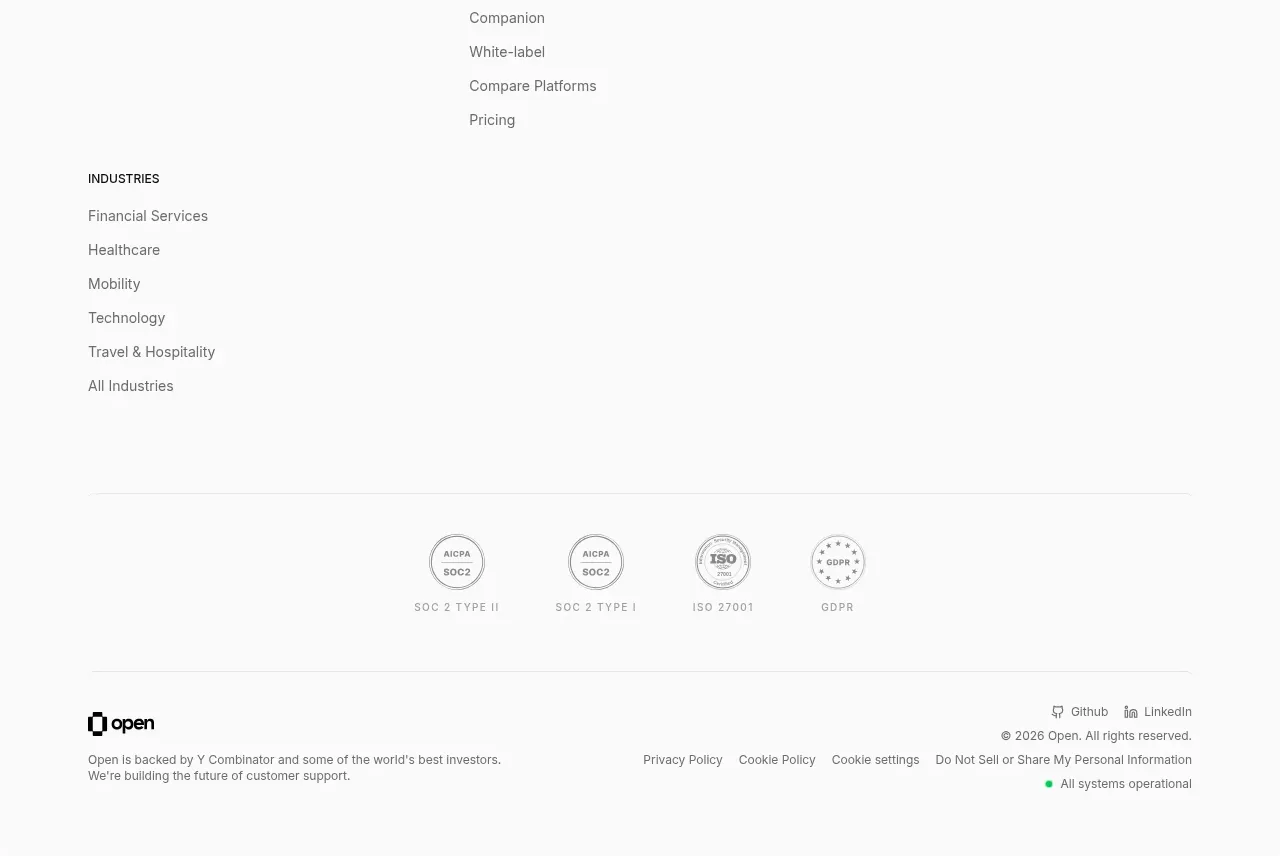
Design analysis
A multi-column footer organizes company, product, industry, customer, and channel links, then closes with compliance badges and a compact legal/social row.
Prompt preview
## Reference images

Study these alongside the description below: hierarchy, rhythm, spacing, colour. Build for the product you are asked about, using this design language.

- Component: https://kage-design-assets.t3.tigrisfiles.io/components/open-for-sales/9a311215-a6aa-4eac-b69d-0b0434feabcf-1793253814-8.webp
- Full page it was cut from: https://kage-design-assets.t3.tigrisfiles.io/screenshots/open-for-sales/9a311215-a6aa-4eac-b69d-0b0434feabcf-1793253735957-full.webp
- Component on Kage: https://kage.design/component/open-for-sales-footer

## Before you start
Ask what pages, legal links, social profiles, compliance claims, and contact details the user's product actually has. Generate a footer hierarchy for that information.

Use a spacious footer on #fafafa with a subtle top border. Begin with a six-column link layout on desktop, grouping destinations under clear 11–12px uppercase or semibold headings and using 13–14px gray links with 12–16px vertical spacing. Let longer groups wrap naturally while keeping columns aligned. Below the links, include a centered or lightly separated trust/compliance badge row only for verifiable certifications. End with a compact bottom bar: brand mark and short company statement on the left, social/legal links on the right, and a small operational-status indicator if relevant. Use #111111 for headings, #6f6f6f for links, 1px #e8e8e5 dividers, and generous 28–48px padding. Collapse into accordions or stacked groups on mobile.

Never: use the reference logo, company name, link labels, compliance badges, product copy, or fabricated certifications.
More components

 Multi-column site footer
Basedash View-only members · Footer

 Multi-column site footer
Zro: Uncensored Security Models · Footer
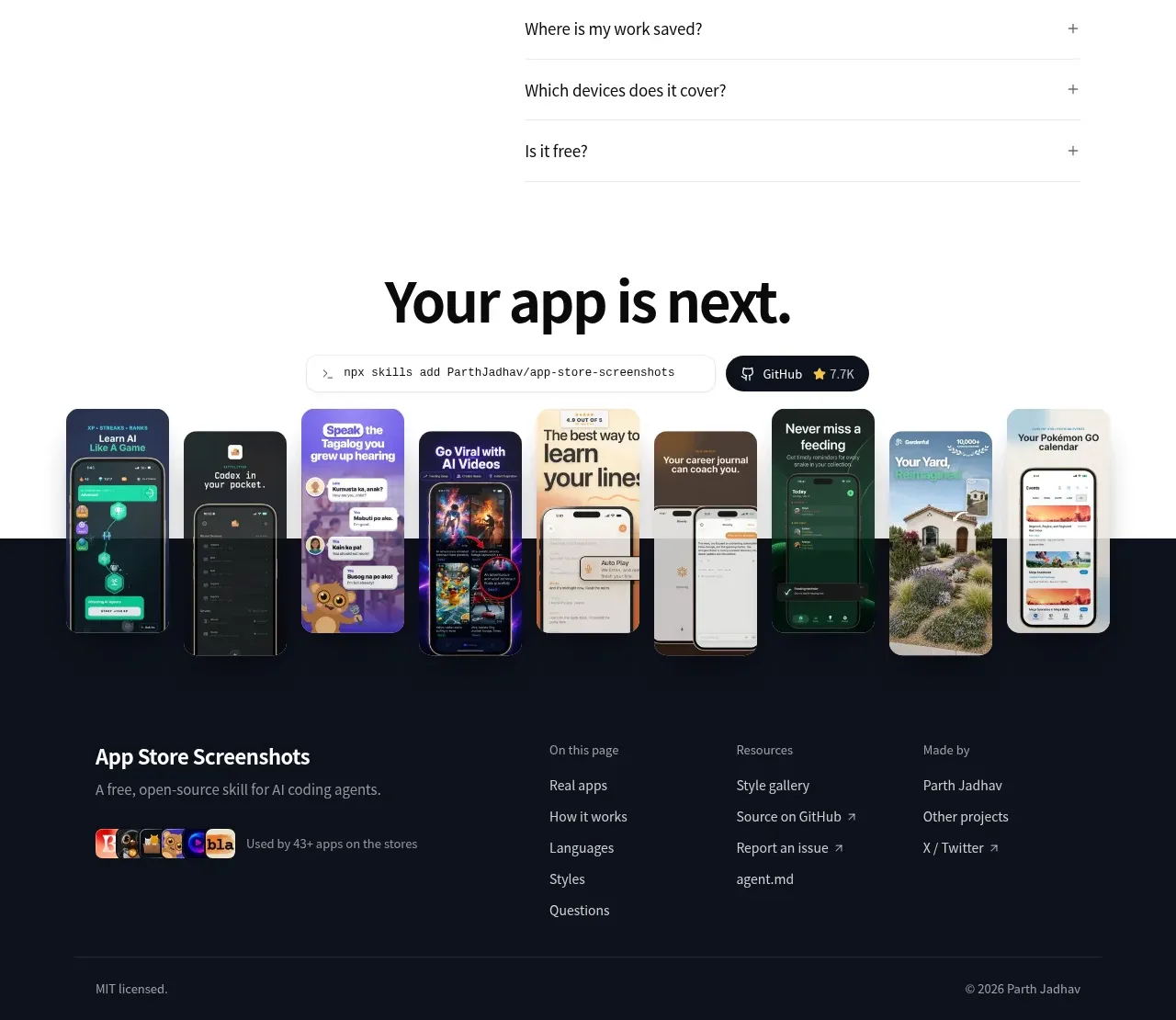
 Multi-column dark footer
App Store Screenshots · Footer

 Quiet utility footer
Dotverse · Footer

 Utility footer
AI Bridge · Footer

V
Multi-column company footer
VibeiDE · Footer