 kage
kage
lleverage.ai
Design analysis
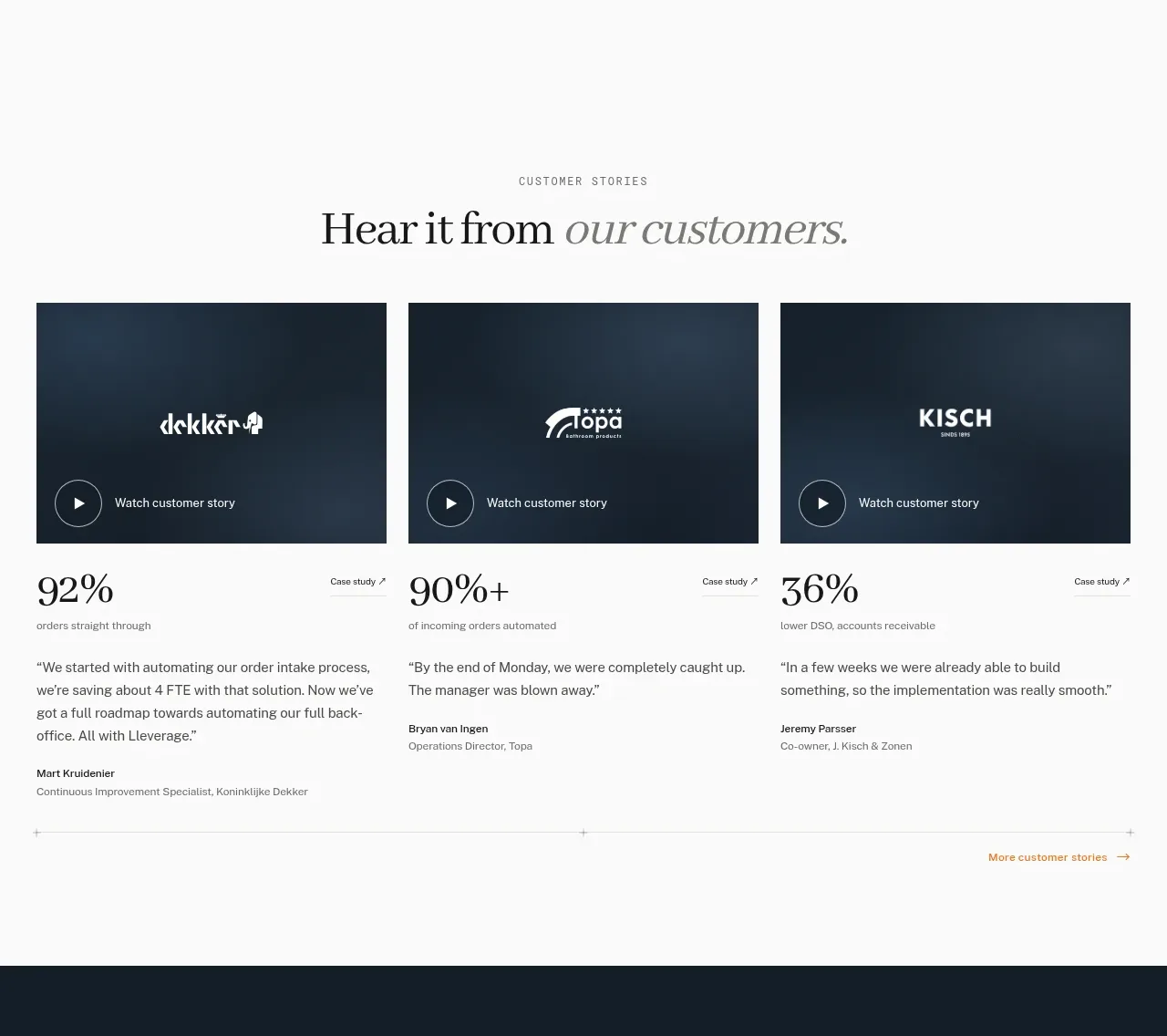
A centered editorial heading leads into three dark customer-story tiles with play affordances, metrics, and concise quotes beneath each tile.
Prompt preview
## Reference images

Study these alongside the description below: hierarchy, rhythm, spacing, colour. Build for the product you are asked about, using this design language.

- Component: https://kage-design-assets.t3.tigrisfiles.io/components/lleverage/862048bd-3dd3-4c2e-9d3c-aadeb65c3eec-1792130579-5.webp
- Full page it was cut from: https://kage-design-assets.t3.tigrisfiles.io/screenshots/lleverage/862048bd-3dd3-4c2e-9d3c-aadeb65c3eec-1792130486253-full.webp
- Component on Kage: https://kage.design/component/lleverage-testimonials

## Before you start
Ask who the user's most credible customers are, what outcomes they achieved, and whether video or audio proof is available. Use original customer-safe content.

Create a testimonial section with a centered uppercase eyebrow and a large serif heading. Lay out three equal columns. Each column begins with a dark navy video/story tile around #142131, a subtle brand or category label, and a circular outlined play button near the lower left. Beneath it, show a large metric, small case-study link, short quote, and attributed name/role. Keep the tile and quote aligned as one visual unit with consistent column gutters and a thin horizontal rule near the section's end. Use white, pale gray, and muted gold accents; add hover lift and play affordance without autoplaying media. Make the row horizontally scrollable on mobile.

Never: use the reference's logos, product names, copy, illustrations, imagery, or exact testimonials.
More components

 Social proof and comparison links
CrewTower Mod for Claude Code · Testimonials
Social proof and comparison links
CrewTower Mod for Claude Code · Testimonials
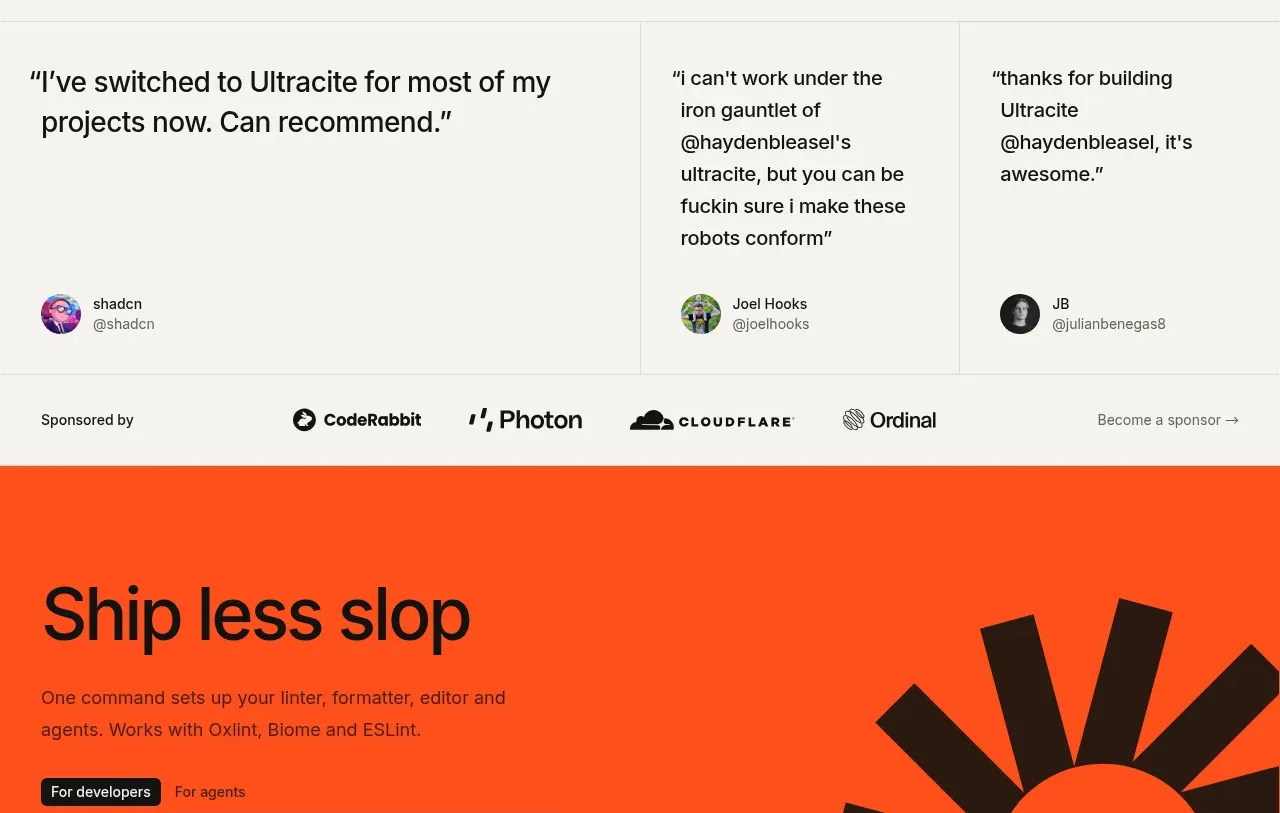
 Developer testimonials and sponsor strip
Ultracite v8 · Testimonials
Developer testimonials and sponsor strip
Ultracite v8 · Testimonials
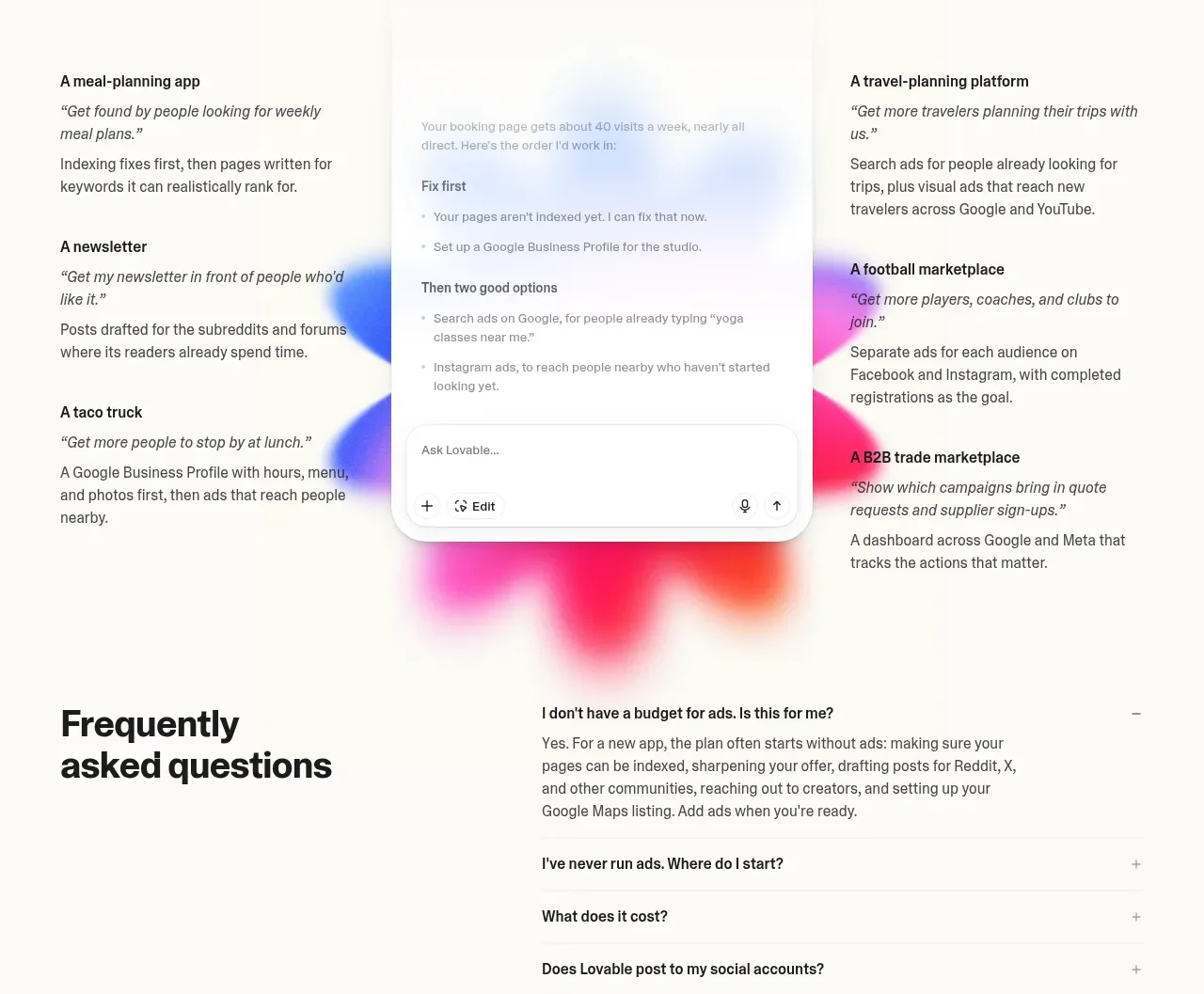
 Customer growth examples
Lovable Growth Tools · Testimonials
Customer growth examples
Lovable Growth Tools · Testimonials
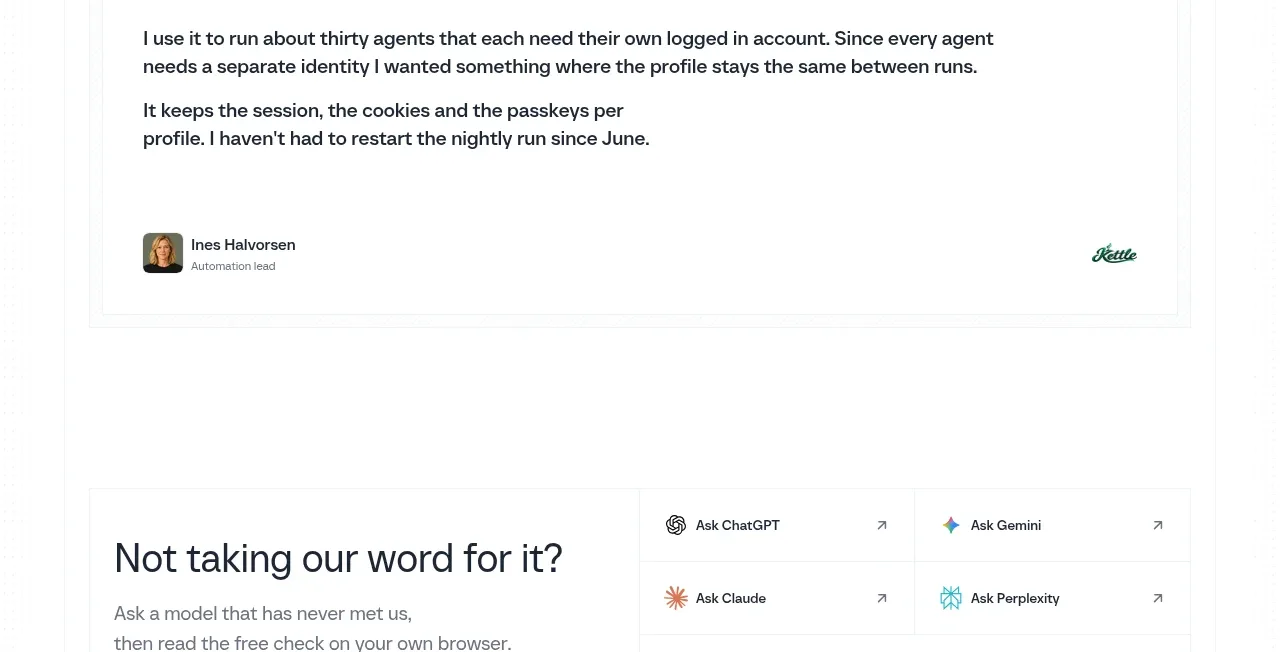
 Customer proof quote
Scalebrowser · Testimonials
Customer proof quote
Scalebrowser · Testimonials

 Customer proof mosaic
Lleverage · Testimonials
Customer proof mosaic
Lleverage · Testimonials
 Developer testimonials
Polylane Impact Analysis · Testimonials
Developer testimonials
Polylane Impact Analysis · Testimonials