 kage
open.cx

Design analysis
A centered headline and supporting statement lead into two actions and a large rounded launch video, making the product promise immediately tangible.
Prompt preview
## Reference images

Study these alongside the description below: hierarchy, rhythm, spacing, colour. Build for the product you are asked about, using this design language.

- Component: https://kage-design-assets.t3.tigrisfiles.io/components/open-for-sales/9a311215-a6aa-4eac-b69d-0b0434feabcf-1793253811-1.webp
- Full page it was cut from: https://kage-design-assets.t3.tigrisfiles.io/screenshots/open-for-sales/9a311215-a6aa-4eac-b69d-0b0434feabcf-1793253735957-full.webp
- Component on Kage: https://kage.design/component/open-for-sales-hero

## Before you start
Ask what the user's product does, its ideal customer, and its brand voice. Then create a hero that communicates that product's strongest outcome using the design rules below, not the reference's wording or content.

Use a centered hero on an off-white canvas (#fafafa), with generous whitespace and a clear vertical rhythm. Place a large two-line headline around 38–48px at desktop with tight line-height (1.05–1.12), near-black #111111, and a supporting paragraph around 15–17px in muted gray #737373 constrained to roughly 500px. Put two horizontally aligned CTAs below: a filled dark pill and a light outlined pill with a play icon if a product demo is relevant. Follow with a wide 16:9 or slightly shorter product/demo video panel, approximately 780px wide, with 14–18px corner radius, overflow hidden, and a small overlay label or play control. Maintain at least 48–72px between text/actions and the visual; include responsive stacking and a mobile-safe aspect ratio.

Never: copy the reference headline or copy, use its video, people, imagery, logo, product name, or any recognizable visual treatment from the reference.
More components
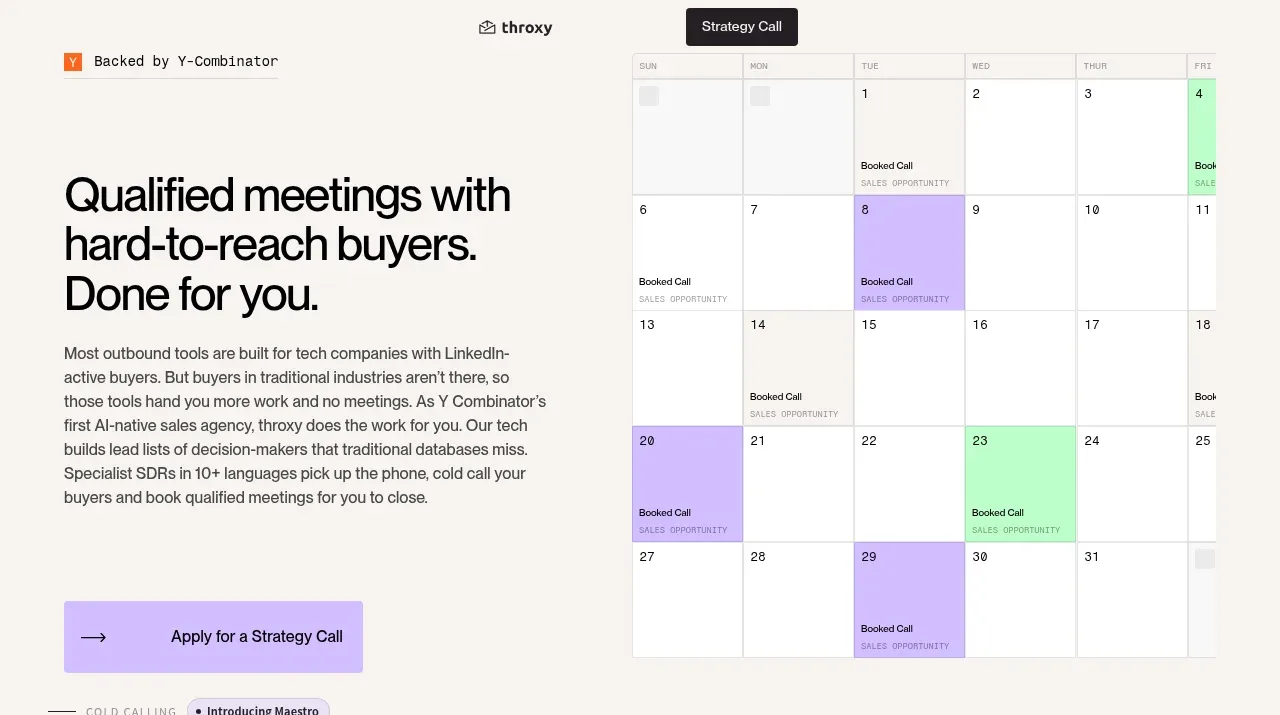
 Buyer-focused hero with calendar visual
throxy · Hero
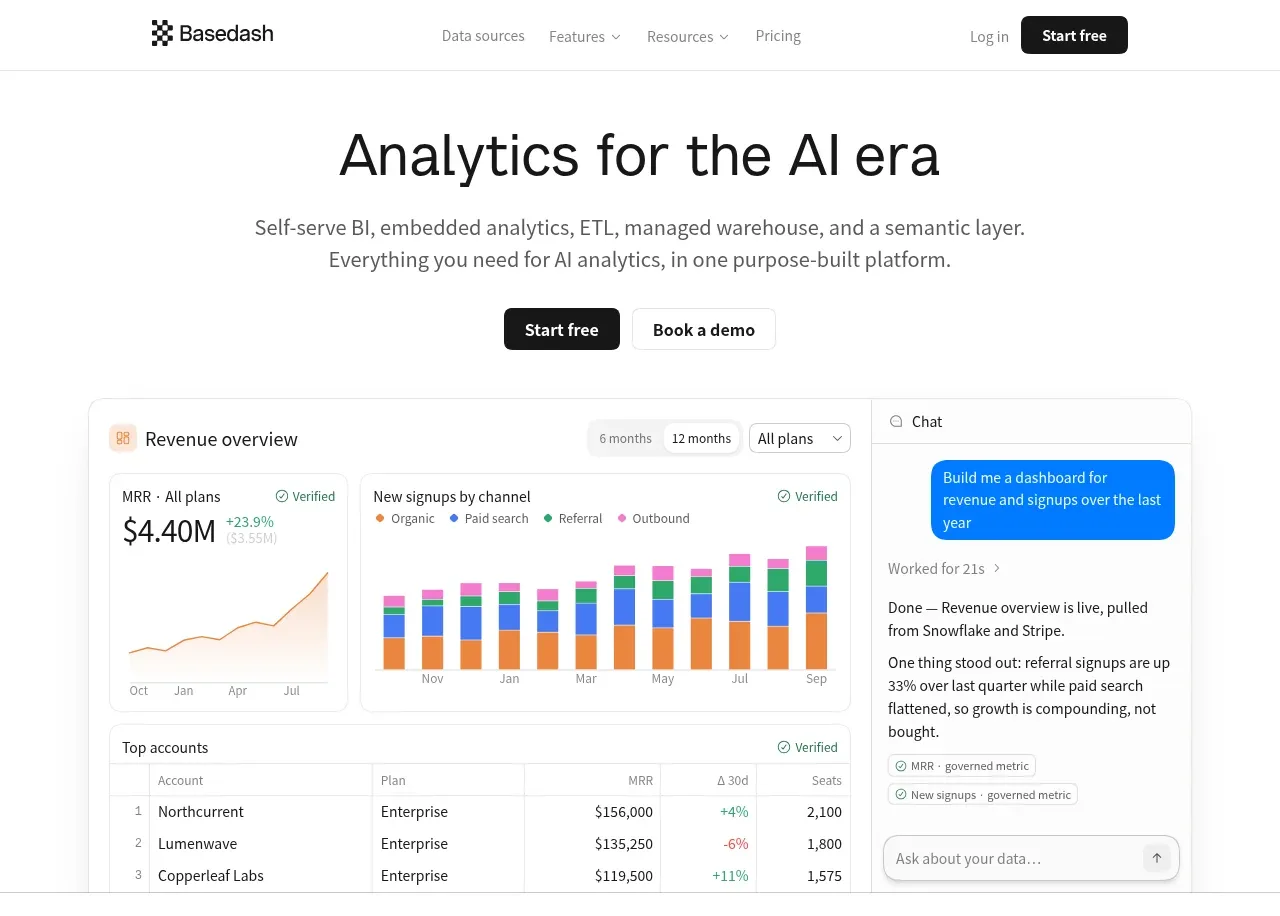
 Analytics product hero
Basedash View-only members · Hero
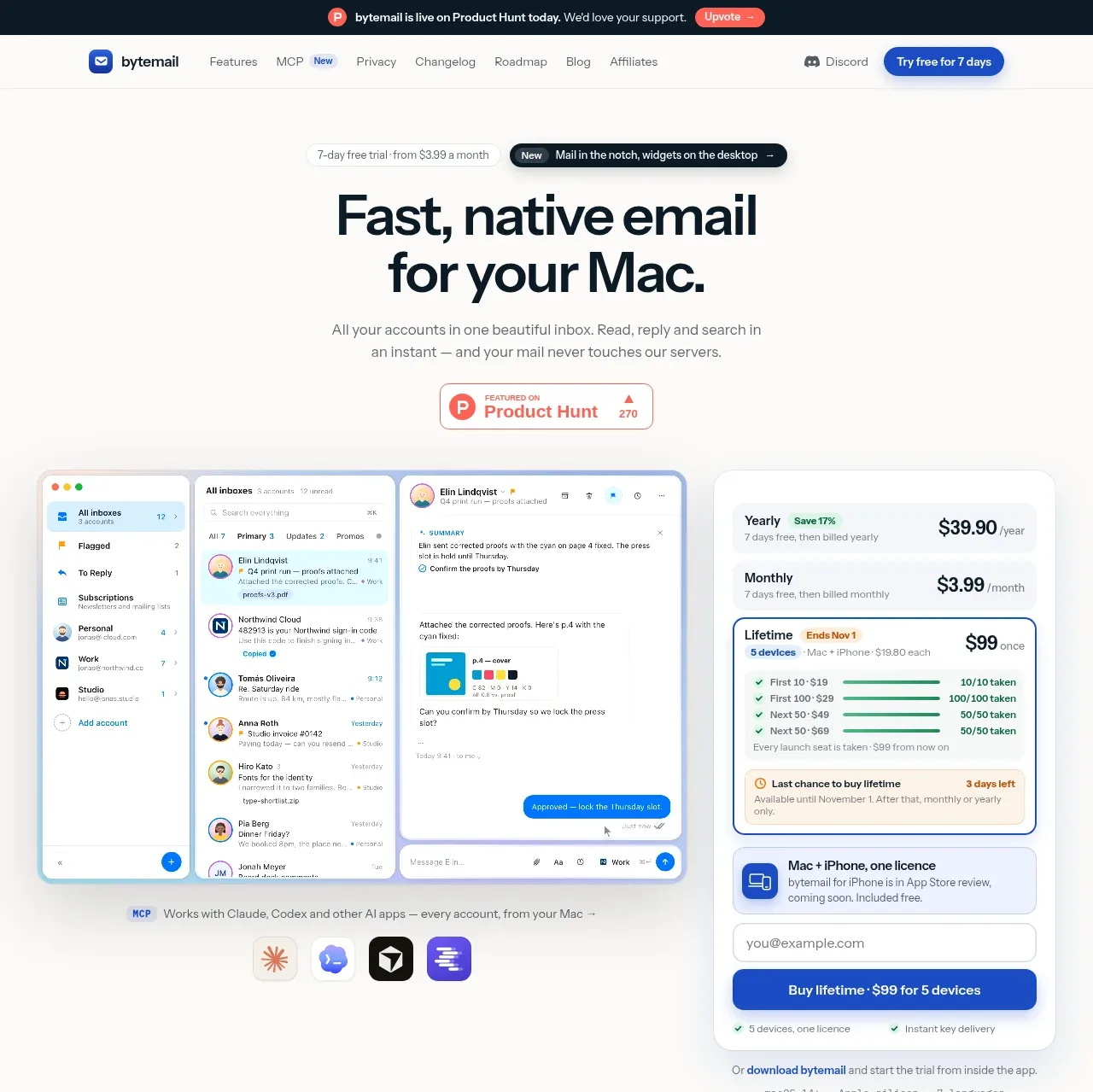
 Mac email product hero
bytemail · Hero
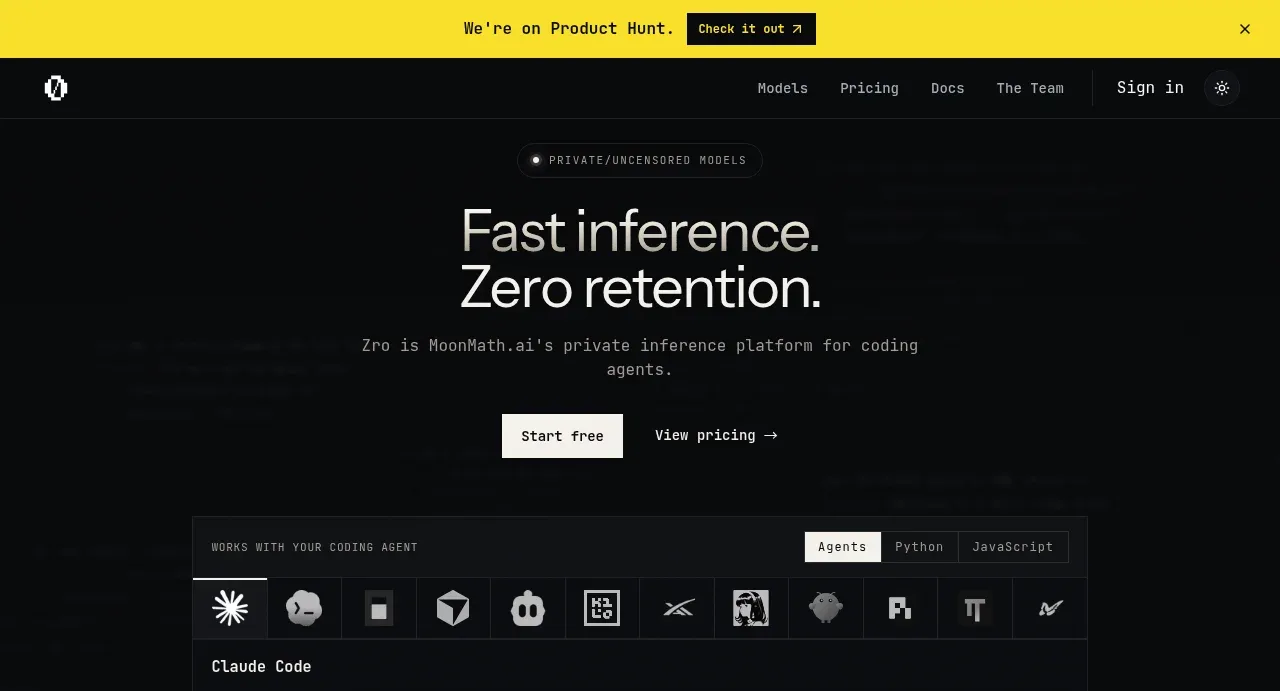
 Private inference hero
Zro: Uncensored Security Models · Hero
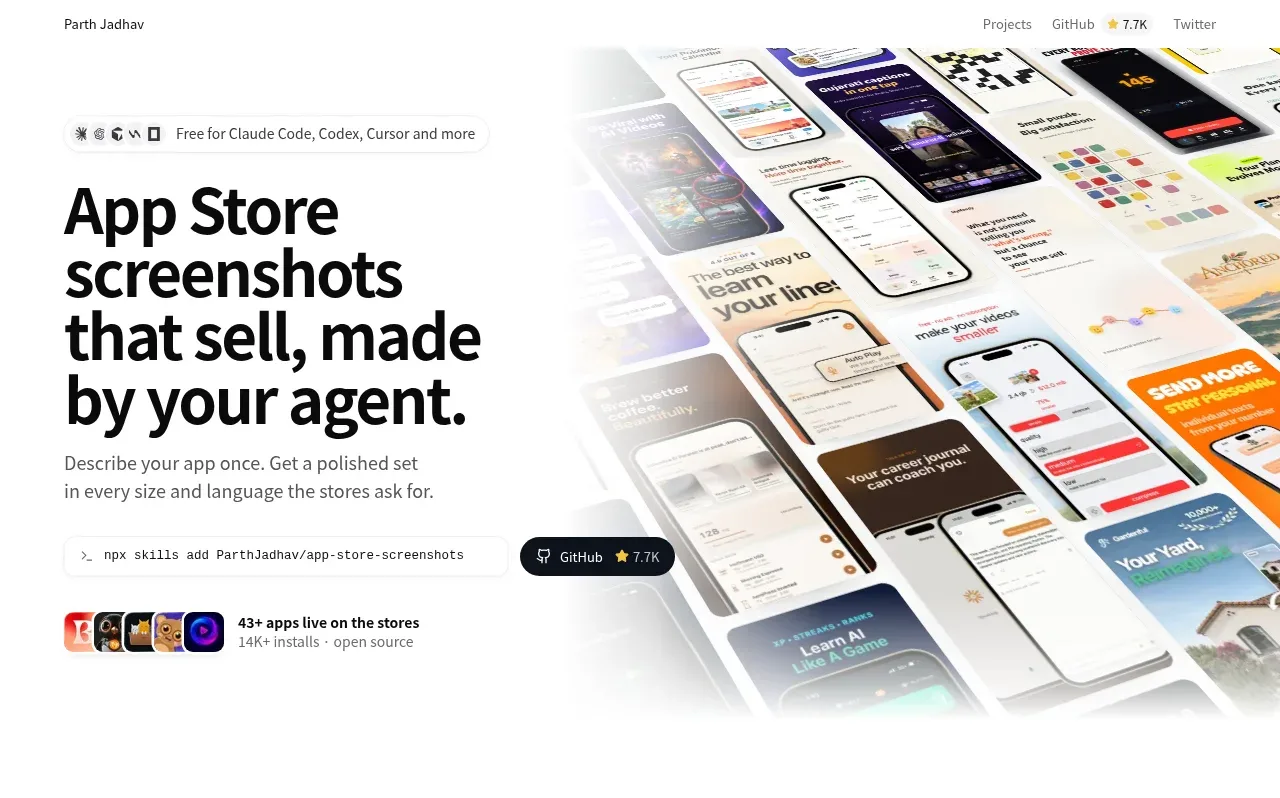
 Product hero with screenshot collage
App Store Screenshots · Hero
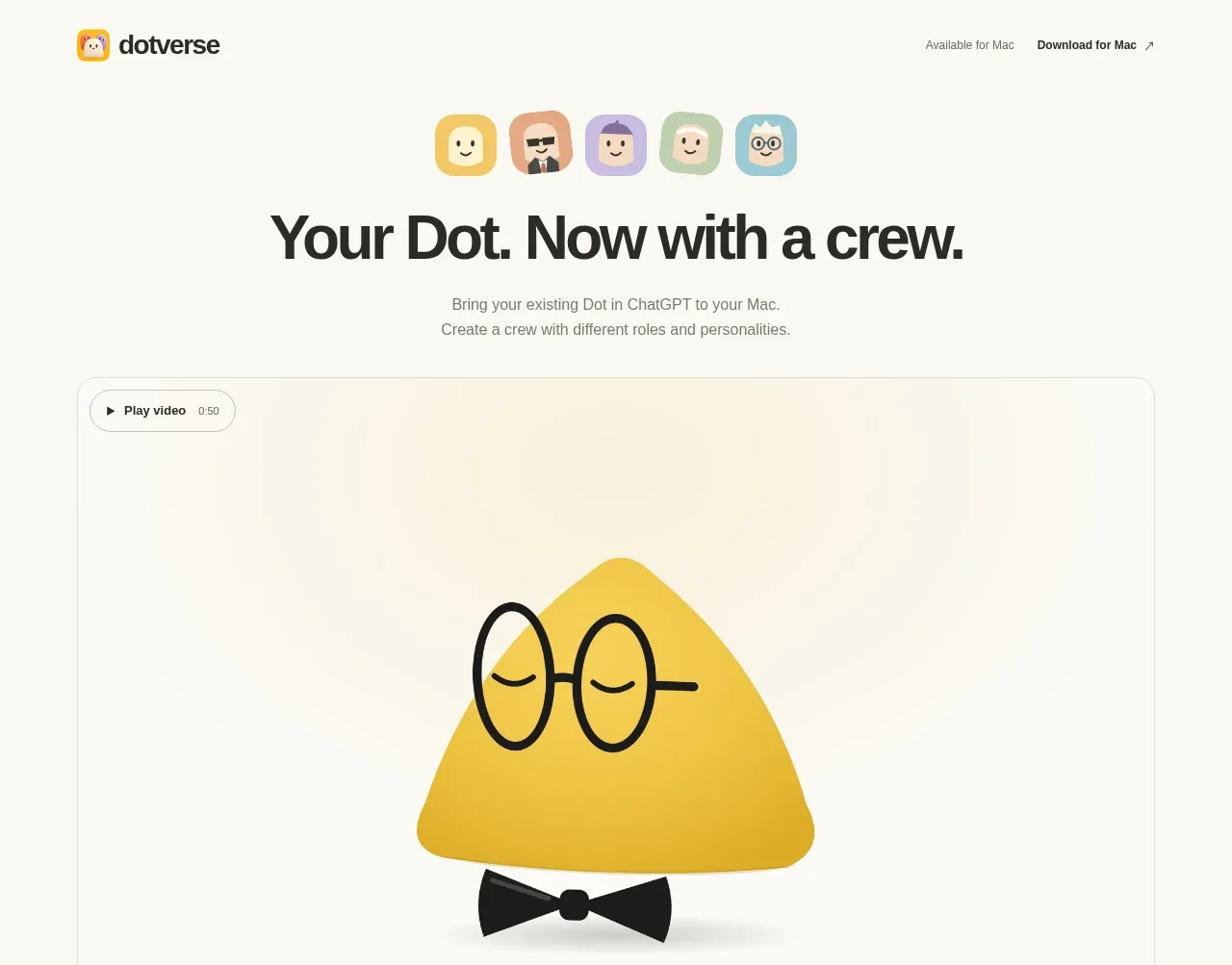
 Character-led product hero
Dotverse · Hero