kage
kage
opencode.ai
Design analysis
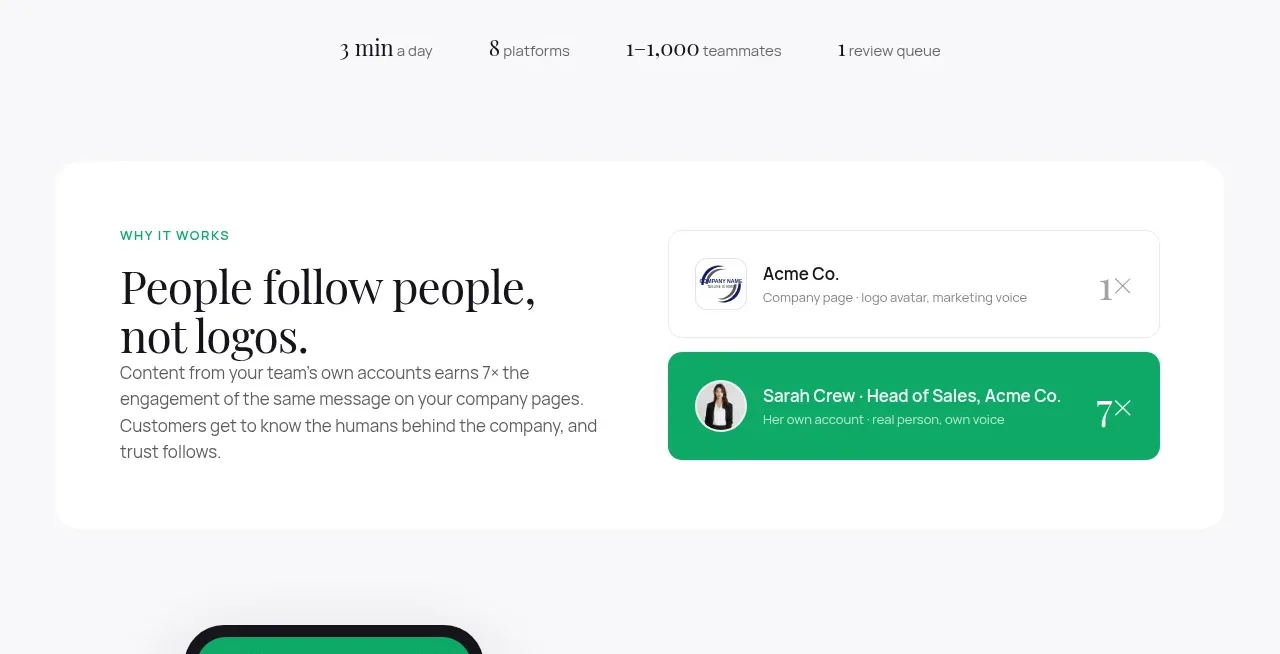
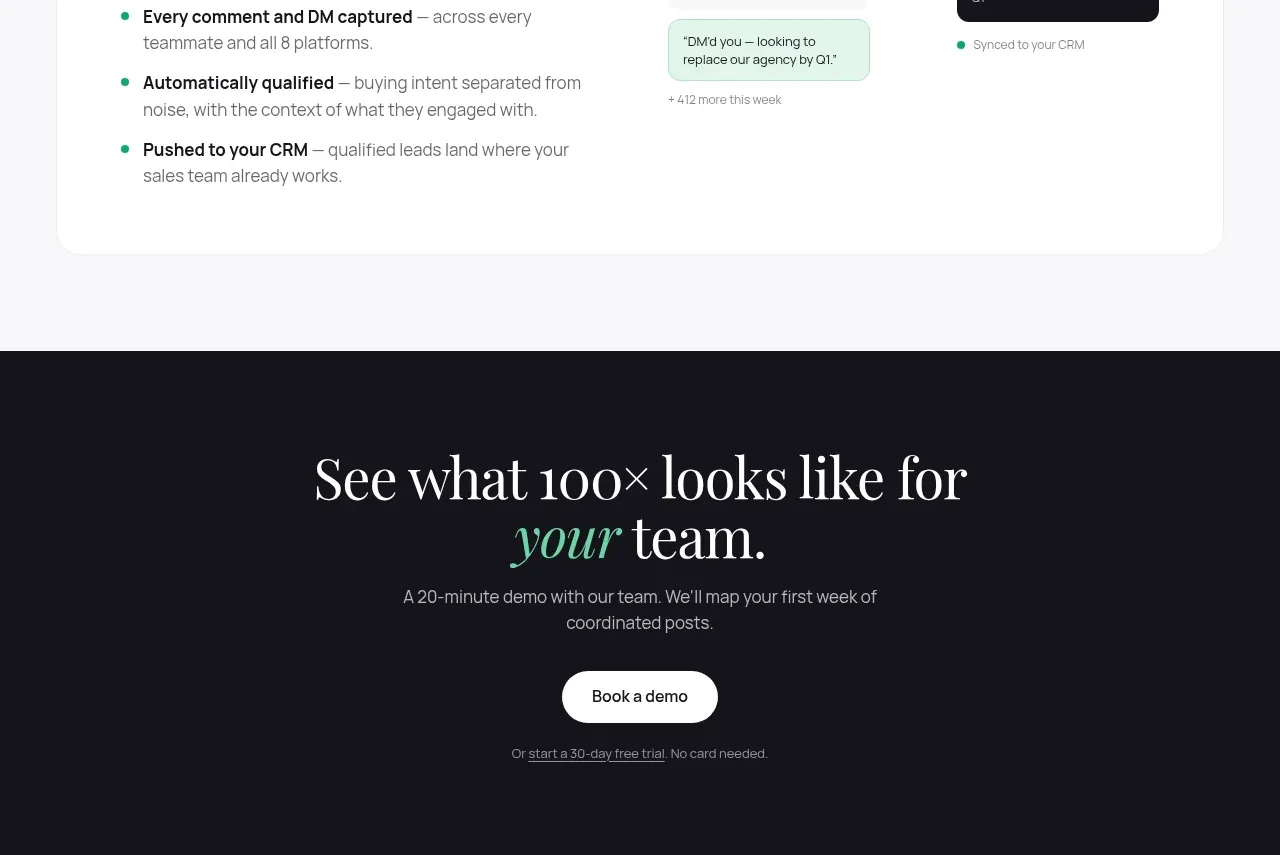
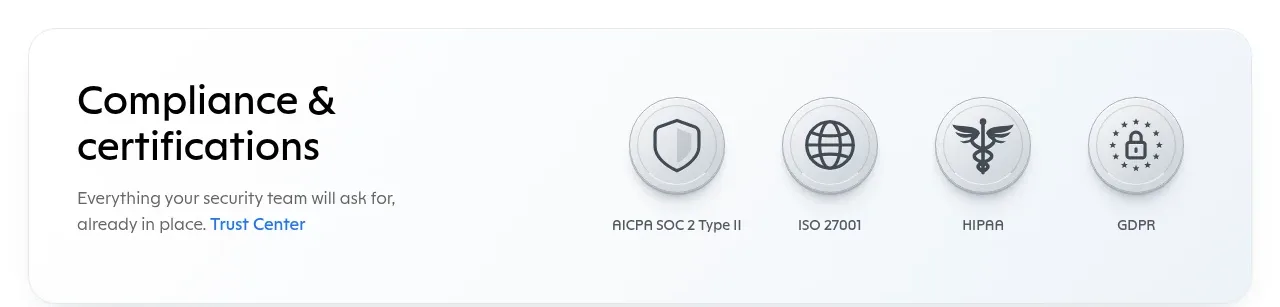
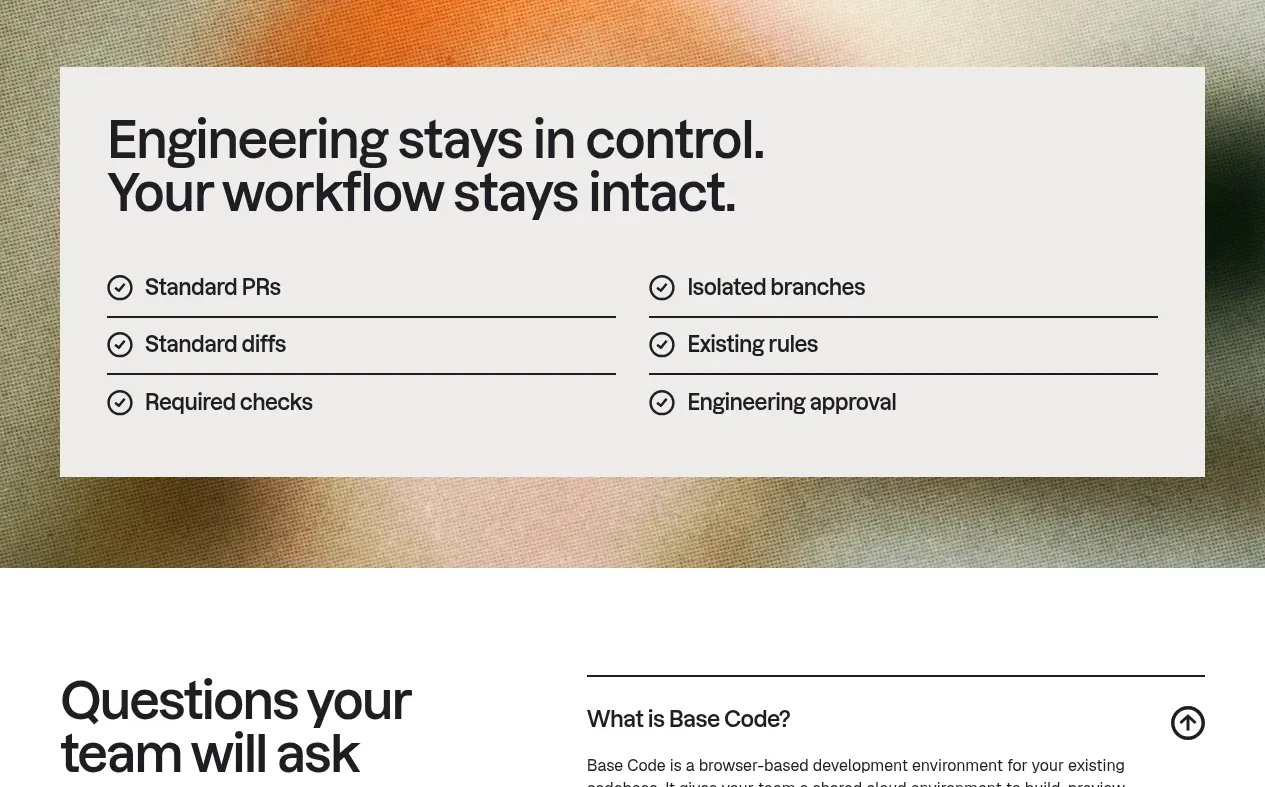
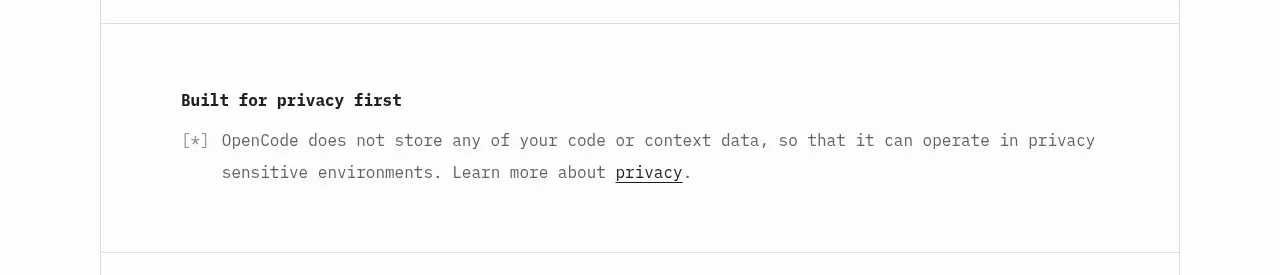
A compact bordered band communicates a single high-value privacy promise with supporting detail and a discreet inline link.
Prompt preview
## Reference images

Study these alongside the description below: hierarchy, rhythm, spacing, colour. Build for the product you are asked about, using this design language.

- Component: https://kage-design-assets.t3.tigrisfiles.io/components/opencode-2-0/565a21f1-5840-46fe-9e23-a71210513fd4-1791957897-4.webp
- Full page it was cut from: https://kage-design-assets.t3.tigrisfiles.io/screenshots/opencode-2-0/565a21f1-5840-46fe-9e23-a71210513fd4-1791957827568-full.webp
- Component on Kage: https://kage.design/component/opencode-2-0-card

## Before you start
Ask what trust or safety promise is most important for the user's product and what brand tone it should have. Then create a tailored version.

Build a compact privacy/trust statement section. Use one bold 14–16px heading, followed by a low-contrast explanatory sentence with one inline text link. Keep the content in the same left-aligned max-width grid used elsewhere, with generous vertical padding and a 1px top and bottom border. Use #111 for the heading, #777 for body text, #fafafa or white for the background, and a restrained underline or darker hover state for the link. Avoid icons and decorative illustrations so the promise feels credible and editorial.

Never: use the reference logo, product name, copy, illustrations, or imagery.