 kage
plastic.audio
Design analysis
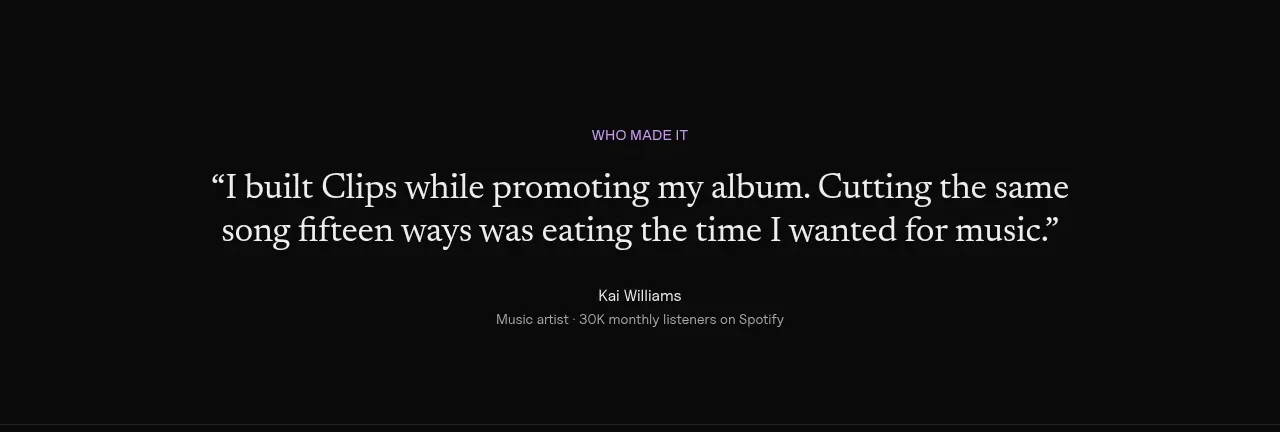
A centered testimonial interrupts the product explanation with a large serif quote, a small attribution, and understated context.
Prompt preview
## Reference images

Study these alongside the description below: hierarchy, rhythm, spacing, colour. Build for the product you are asked about, using this design language.

- Component: https://kage-design-assets.t3.tigrisfiles.io/components/clips-by-plastic/ad43fef6-0048-4f88-83ea-4278fc30c273-1792994536-8.webp
- Full page it was cut from: https://kage-design-assets.t3.tigrisfiles.io/screenshots/clips-by-plastic/ad43fef6-0048-4f88-83ea-4278fc30c273-1792994476004-full.webp
- Component on Kage: https://kage.design/component/clips-by-plastic-testimonials

## Before you start
Ask who the most credible customer is for the user's product and what proof point should be highlighted, then apply these principles.

Build a restrained testimonial band on black. Add a tiny uppercase eyebrow, a centered large serif or humanist quote spanning a controlled width, and a compact attribution with muted context beneath. Use #f4f4f4 for the quote, #999999 for metadata, generous top and bottom padding, and no prominent testimonial card. Keep quotation marks optional and avoid over-styling. On mobile, reduce the quote size while preserving comfortable line length.

Never: use logos, product names, copy, illustrations, or imagery from the reference.
More components
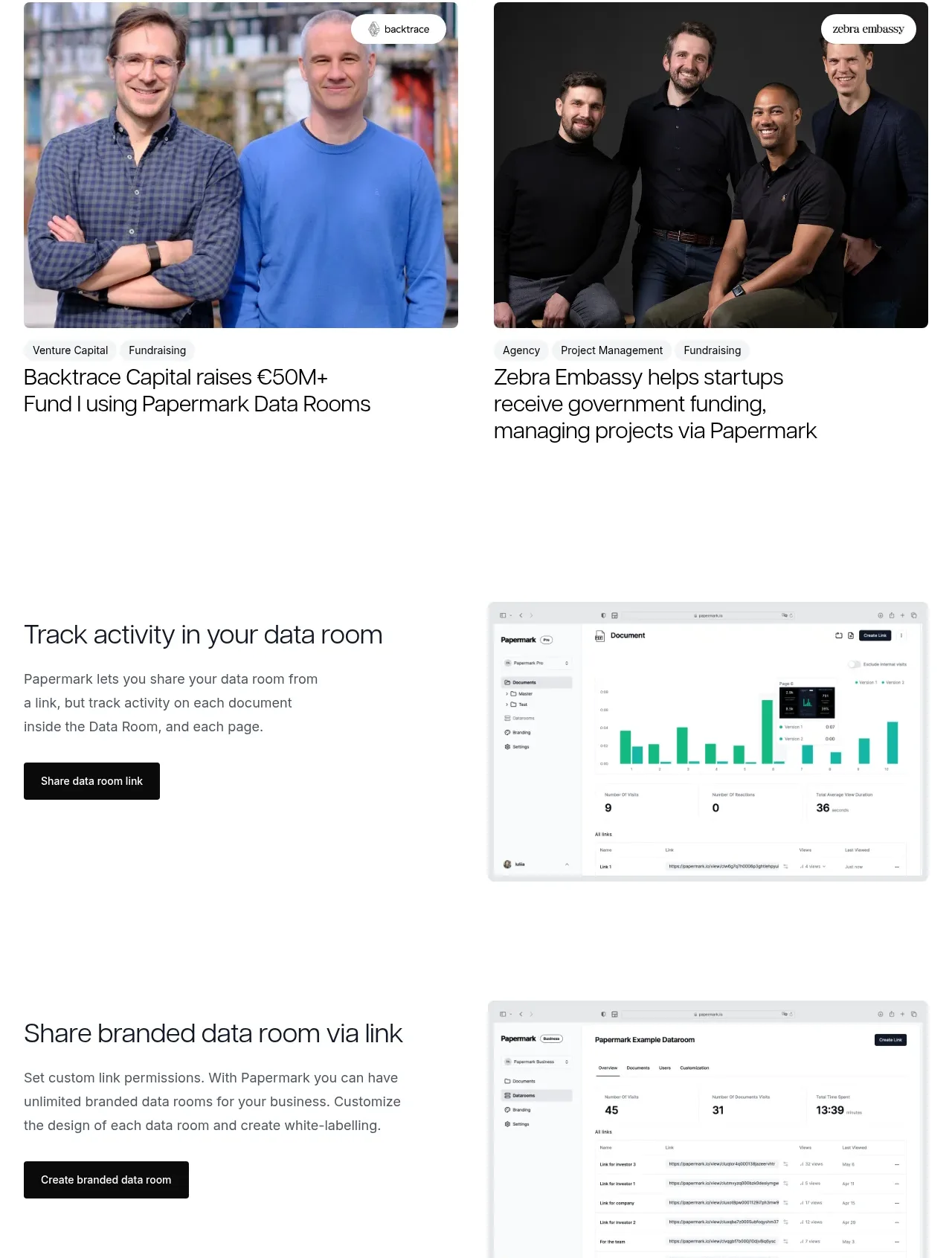
 Customer success stories
Papermark Data Rooms · Testimonials
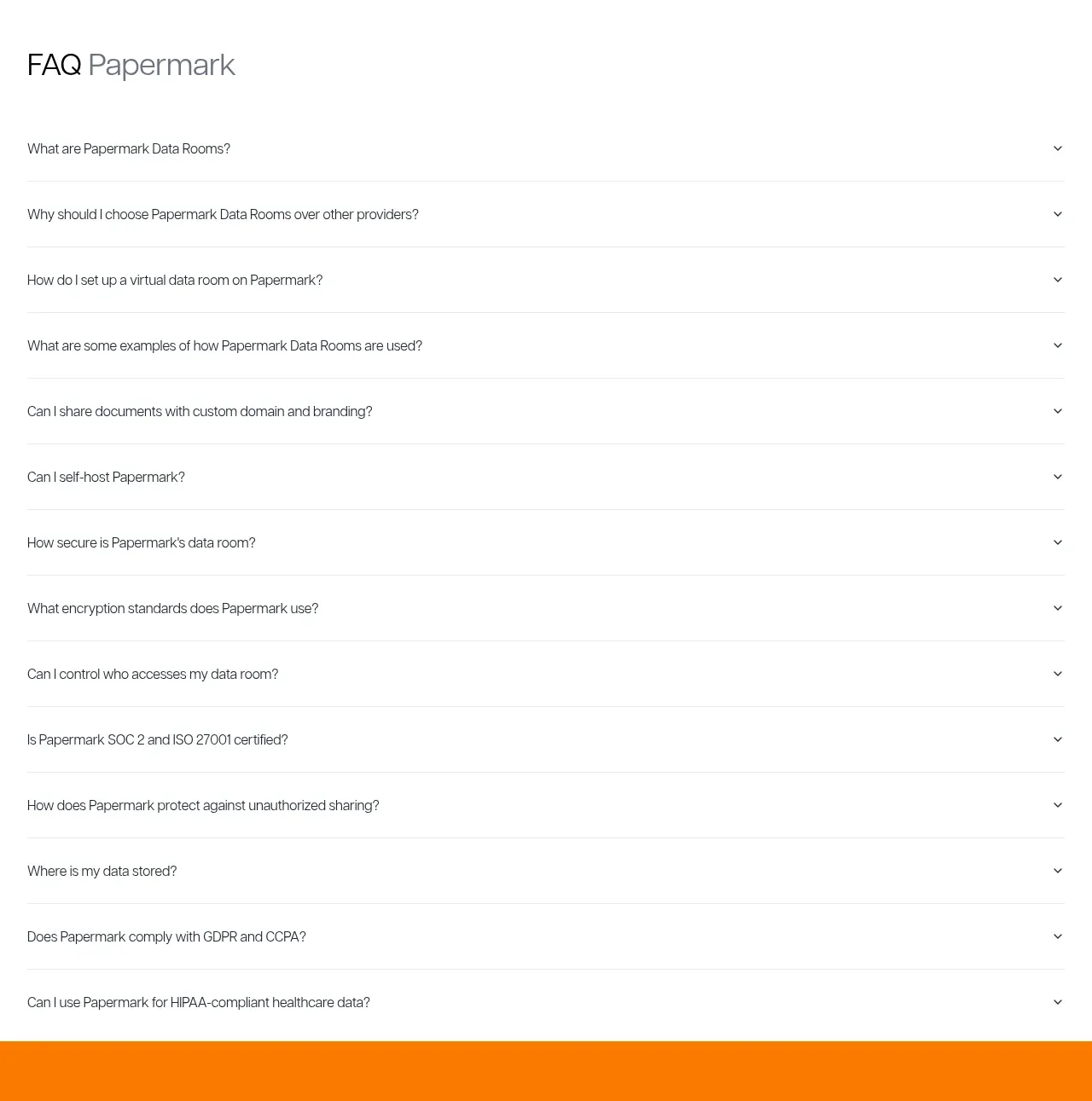 Employee and community testimonials
Papermark Data Rooms · Testimonials
M
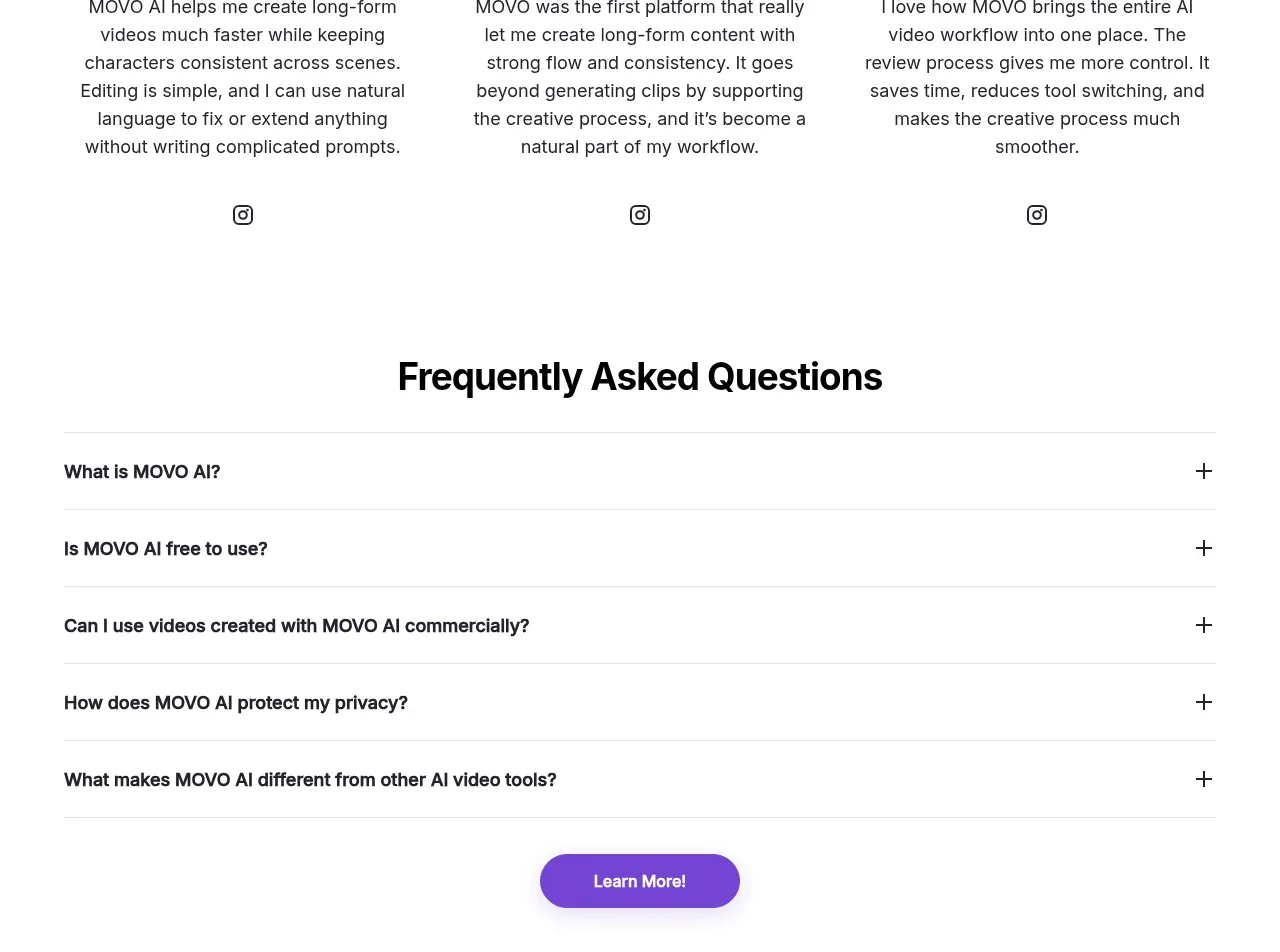
Creator testimonials
MOVO AI · Testimonials
 Founder and team testimonials
Fastlane 2.0 · Testimonials
 Customer proof carousel
Koi · Testimonials
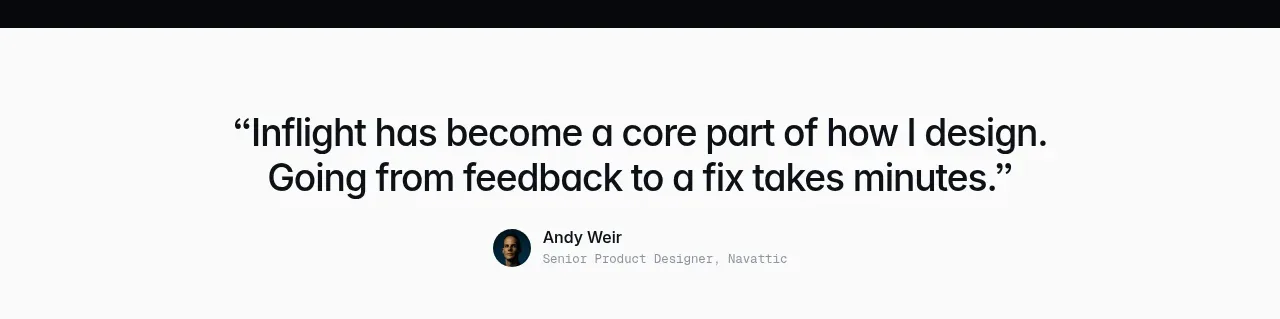
 First customer quote
Inflight · Testimonials