 kage
movoai.pro
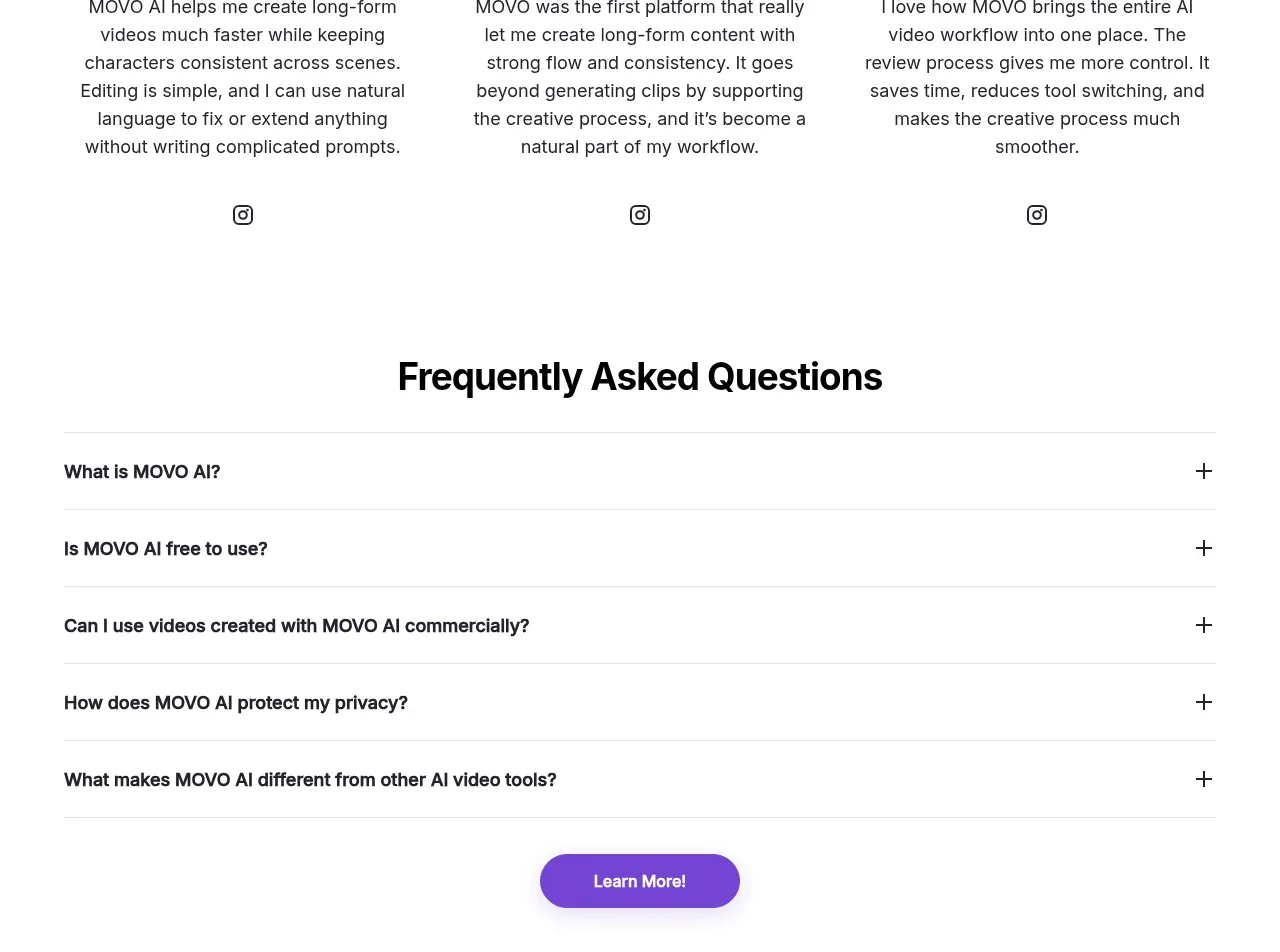
Design analysis
Three evenly spaced testimonials combine circular avatars, creator handles, concise quotes, and social links to make the trust signal feel personal and scannable.
Prompt preview
## Reference images

Study these alongside the description below: hierarchy, rhythm, spacing, colour. Build for the product you are asked about, using this design language.

- Component: https://kage-design-assets.t3.tigrisfiles.io/components/movo-ai/8c1aa91f-026c-4018-9b05-6044a1e6f3fb-1792821692-9.webp
- Full page it was cut from: https://kage-design-assets.t3.tigrisfiles.io/screenshots/movo-ai/8c1aa91f-026c-4018-9b05-6044a1e6f3fb-1792821641495-full.webp
- Component on Kage: https://kage.design/component/movo-testimonials

## Before you start
Ask who the user's real customers are, what permission exists for testimonials and avatars, and which proof points are credible. Then create an original testimonial section.

Build a centered testimonials section with a headline that communicates scale or trust, followed by three equal testimonial columns. Each item should include a small circular avatar or abstract placeholder, a bold name/handle, a 3–5 line quote, and a small linked social icon at the bottom. Keep the columns balanced and align quote baselines where possible.

Use a 30–36px heading, 15–16px quote text, 14px bold handles, and muted secondary text #6B6B6B. Use white #FFFFFF, charcoal #1A1A1A, and very light dividers #EEEEEE. Leave 28–36px between columns and 72–100px section padding. On mobile, stack cards or use a swipeable carousel with visible pagination.

Include semantic blockquotes, meaningful avatar alt text, and a non-intrusive hover treatment for social links.

Never: use the reference's names, handles, faces, quotes, product name, logos, or exact statistics.
More components
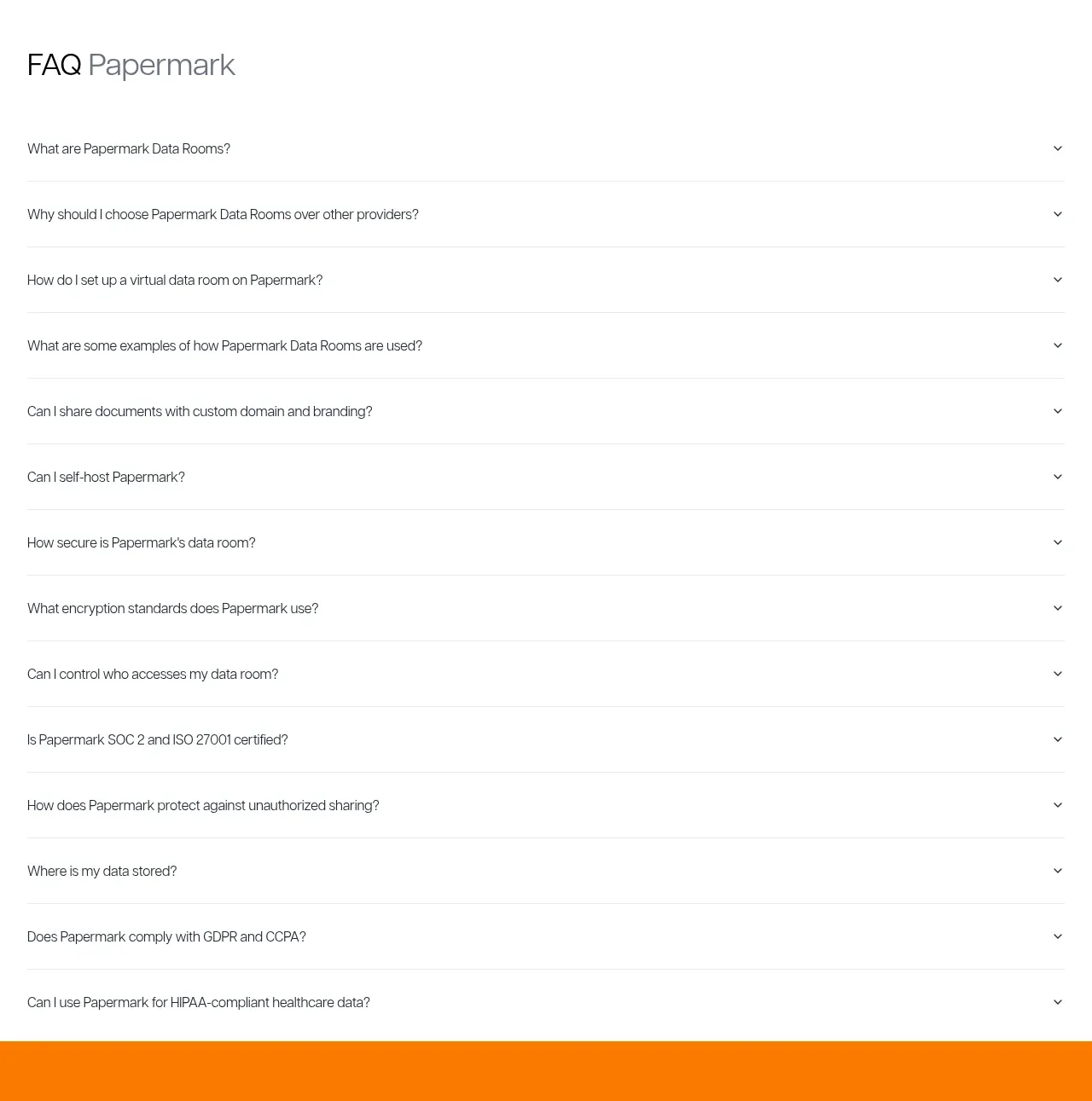
 Employee and community testimonials
Papermark Data Rooms · Testimonials
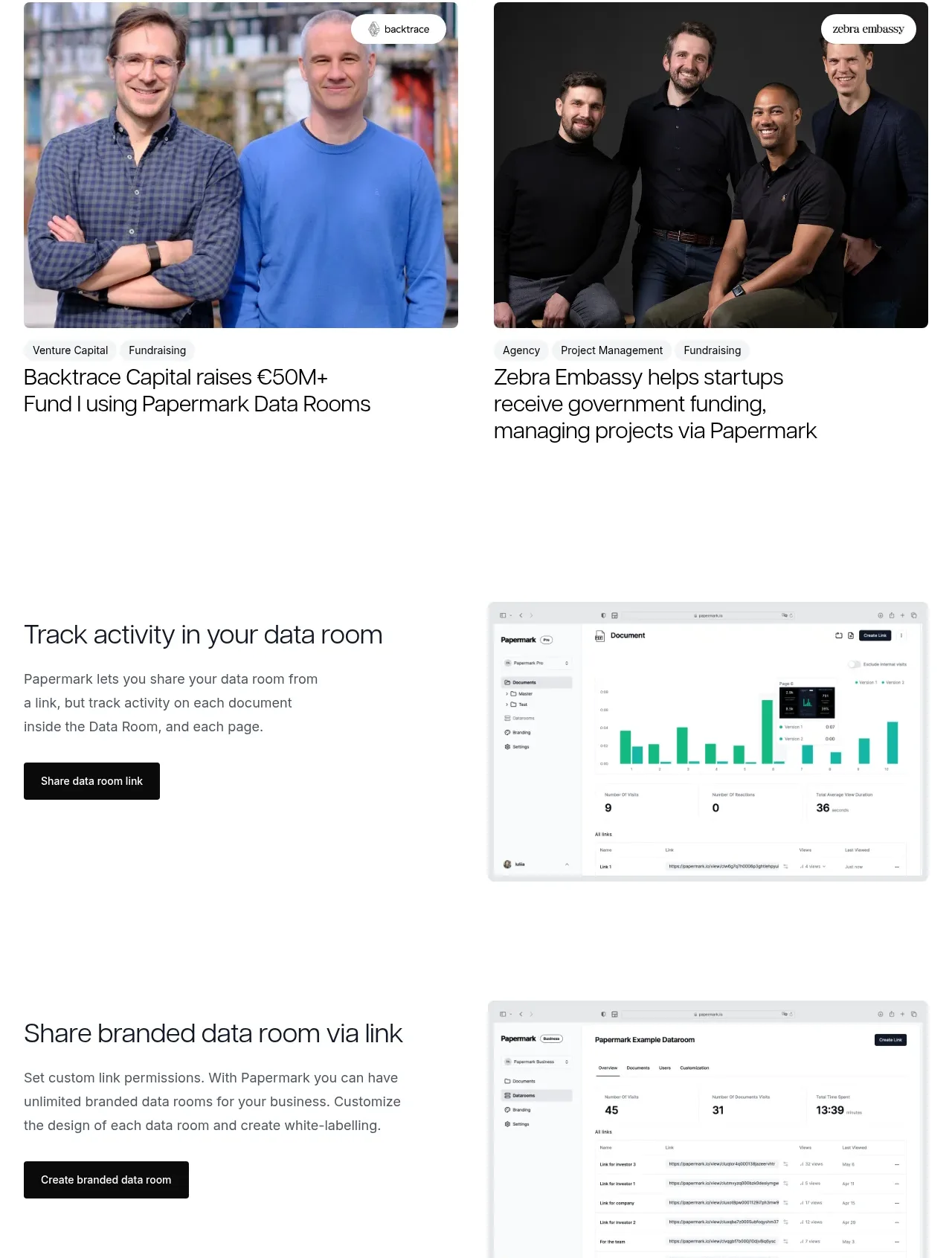 Customer success stories
Papermark Data Rooms · Testimonials
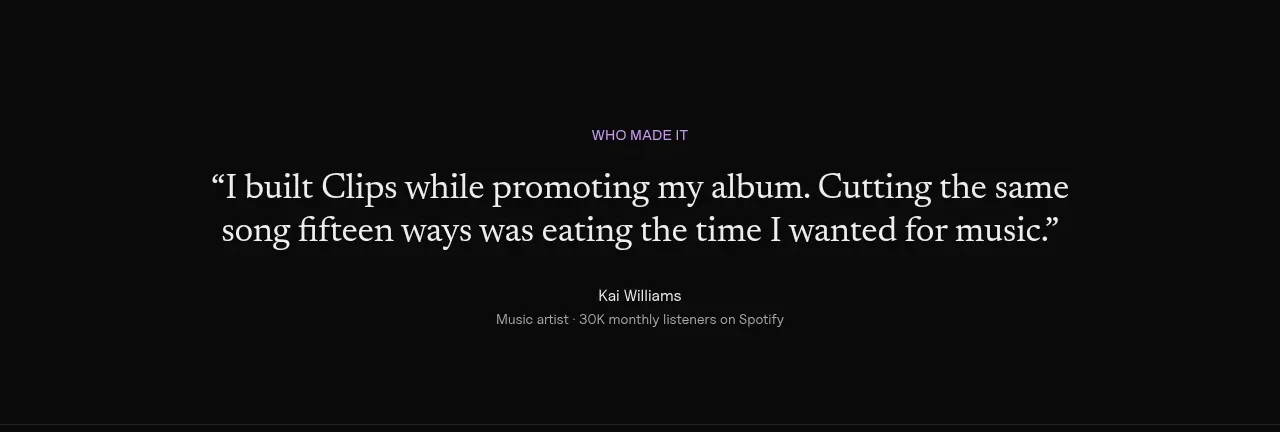
 Customer quote
Clips by Plastic · Testimonials
 Founder and team testimonials
Fastlane 2.0 · Testimonials
 Customer proof carousel
Koi · Testimonials

 First customer quote
Inflight · Testimonials