 kage
contextengine.com
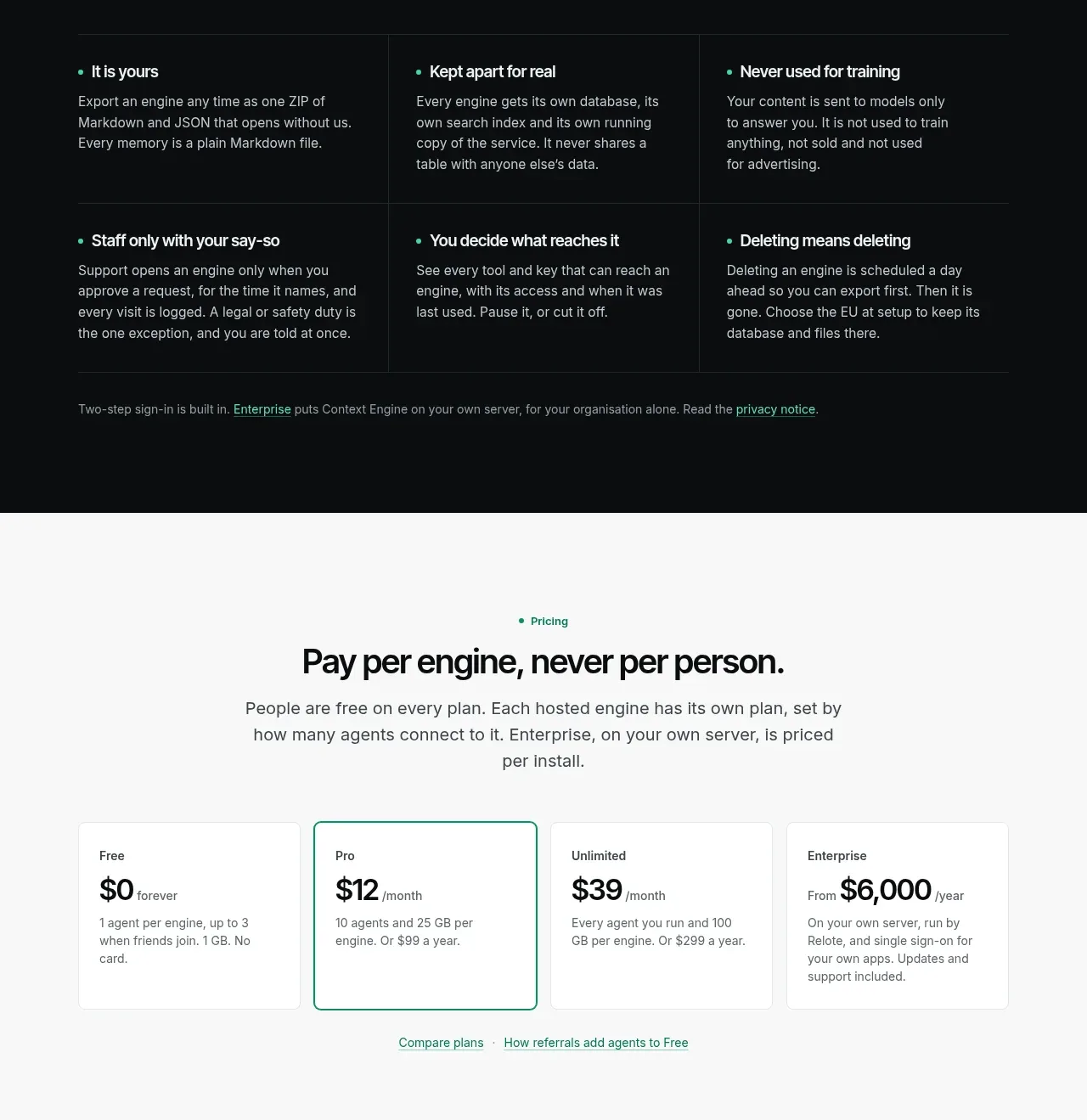
Design analysis
A dark trust section opens with a reassuring statement and then organizes six concise security principles into a clean three-column grid.
Prompt preview
## Reference images

Study these alongside the description below: hierarchy, rhythm, spacing, colour. Build for the product you are asked about, using this design language.

- Component: https://kage-design-assets.t3.tigrisfiles.io/components/context-engine/37fe6fcb-aa91-474a-8a89-1c1cadc0a655-1792821973-8.webp
- Full page it was cut from: https://kage-design-assets.t3.tigrisfiles.io/screenshots/context-engine/37fe6fcb-aa91-474a-8a89-1c1cadc0a655-1792821825382-full.webp
- Component on Kage: https://kage.design/component/context-engine-feature-grid-5

## Before you start
Ask what privacy, security, hosting, access, retention, and audit promises the user's product can honestly make. Build the section from those verified claims.

Create a full-width dark trust section using near-black #0B0D0D with pale text. Start with a mint eyebrow, a large white headline, and a short muted introduction. Under it, arrange six principles in a 3-by-2 grid separated by very subtle vertical and horizontal rules. Each item has a mint bullet or dot, a short bold heading, and two or three lines of explanation. Finish with a small legal/supporting note below the grid. Use white text #F5F7F6, muted gray #AEB8B4, mint #43D5A3, 1px borders around #26302D, and generous 80–100px section padding. Ensure contrast, keyboard focus visibility, and mobile stacking.

Never: use logos, product names, copy, illustrations, or imagery from the reference.
More components
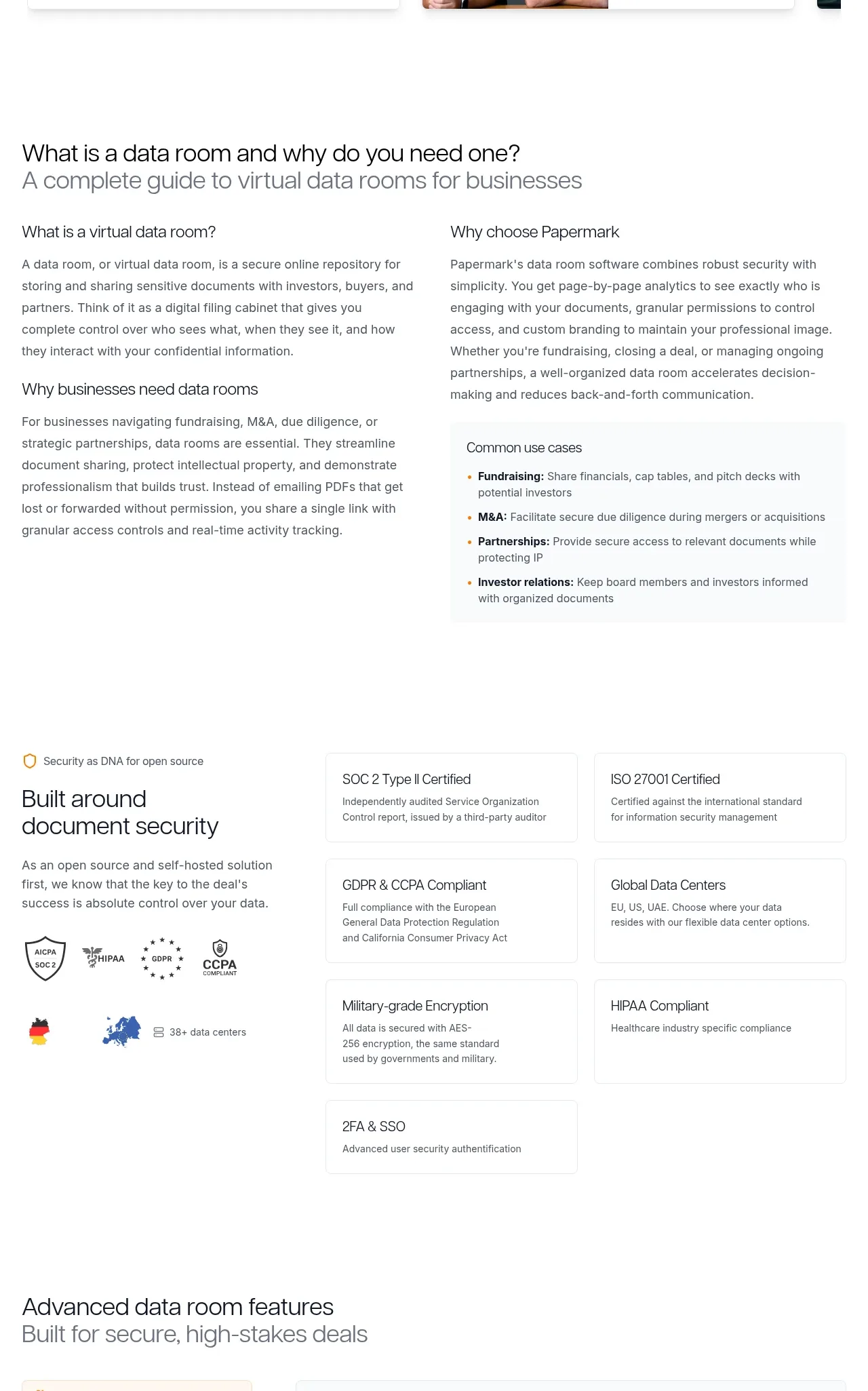
 Data-room education and security overview
Papermark Data Rooms · Feature grid
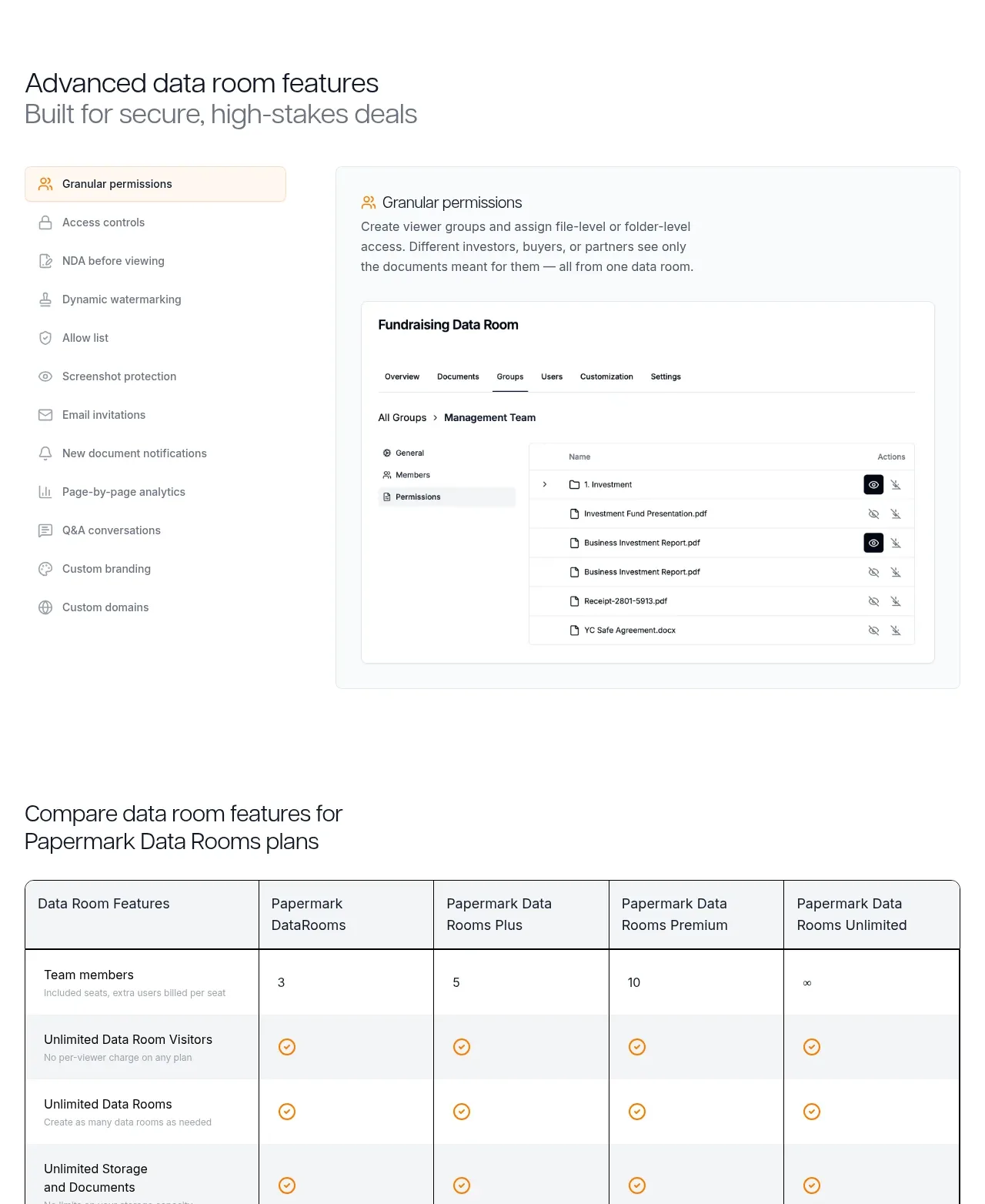 Advanced data-room features
Papermark Data Rooms · Feature grid
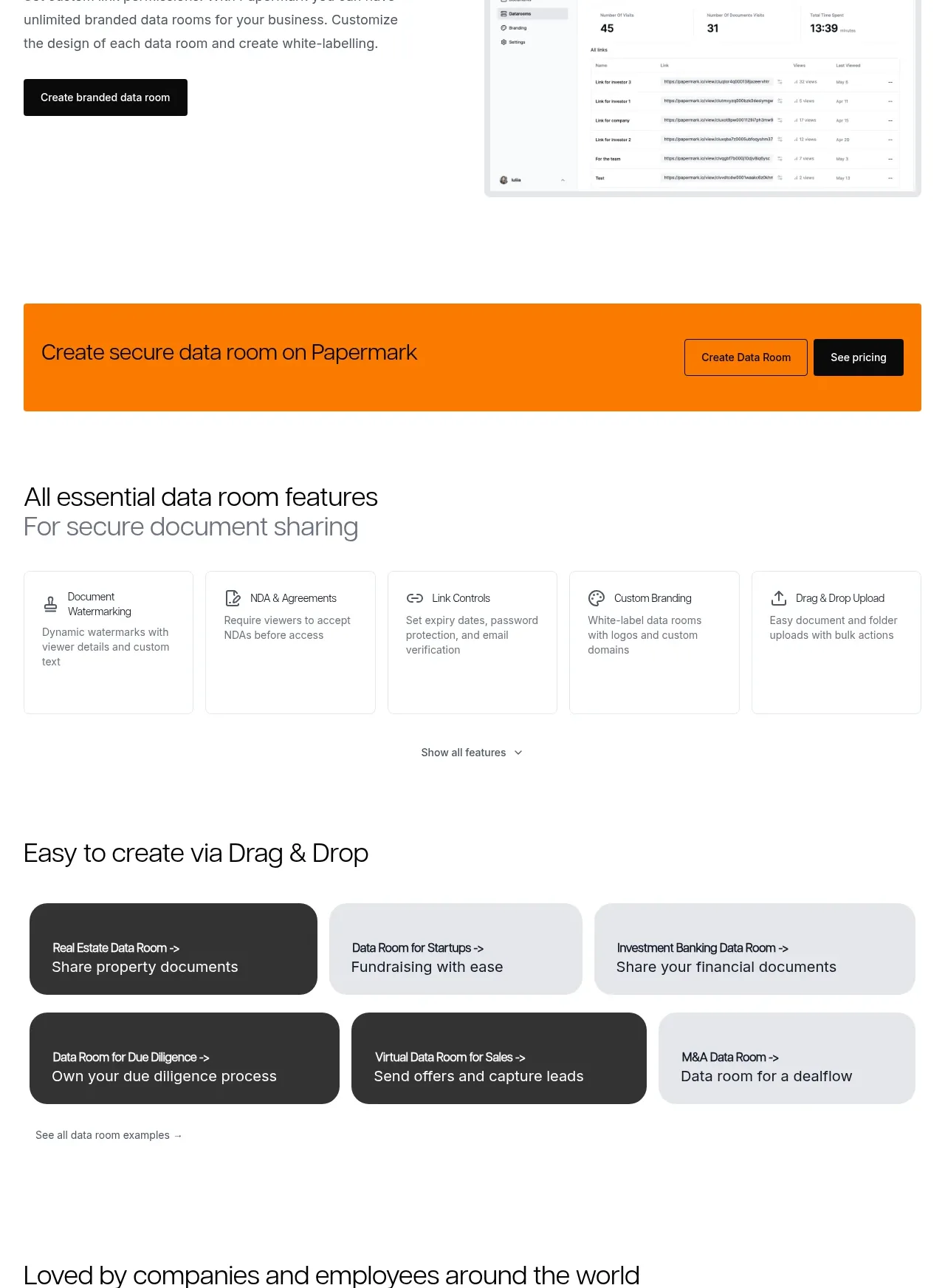 Workflow demonstrations
Papermark Data Rooms · Feature grid
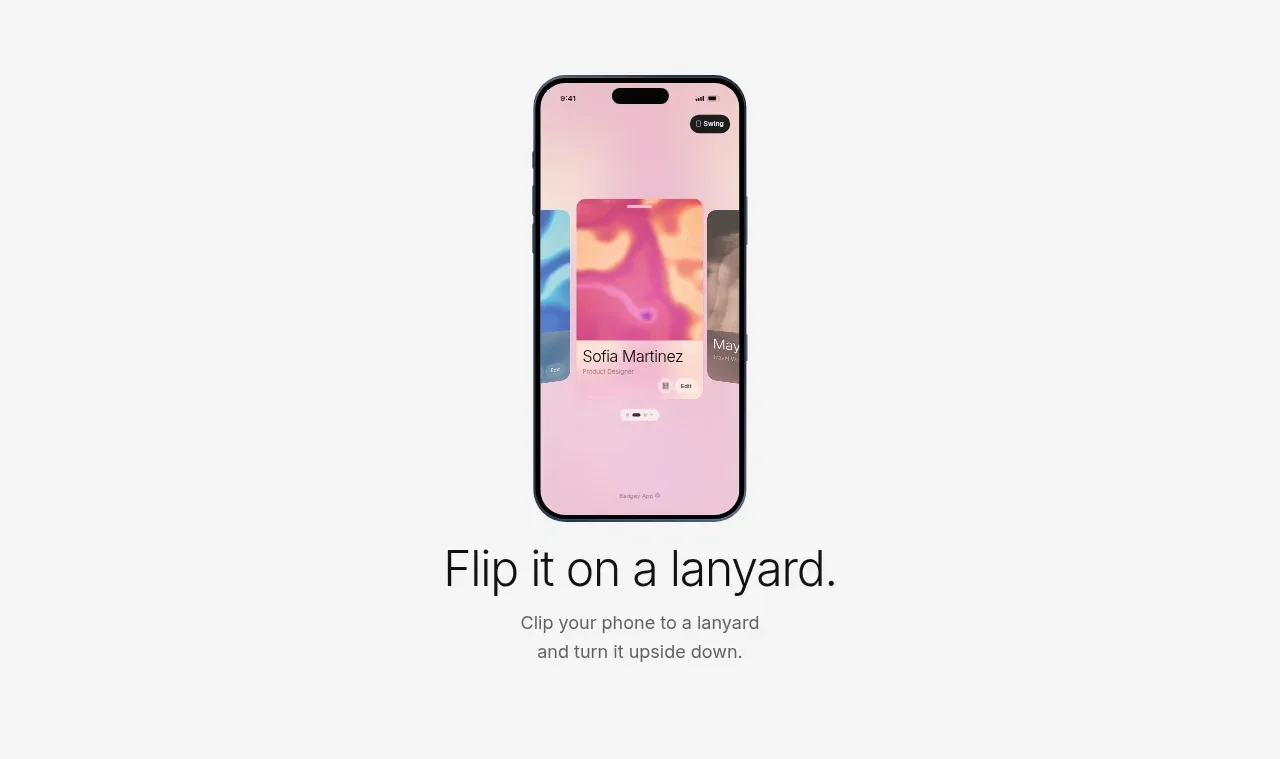
 Lanyard use-case feature
Badgey · Feature grid

 Problem statement
Clips by Plastic · Feature grid
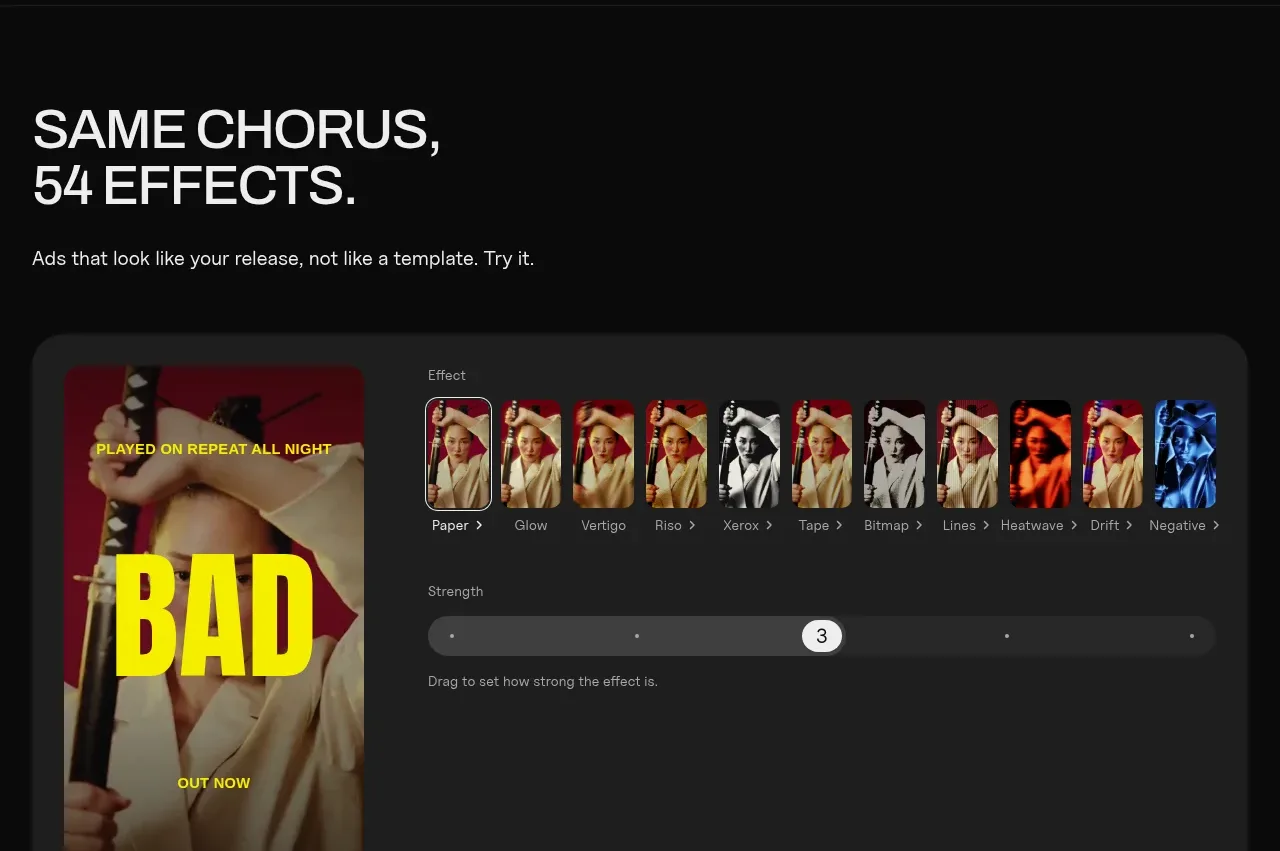 Effects and customization panel
Clips by Plastic · Feature grid