 kage
kage
lorikeetcx.ai

Design analysis
A centered proof heading introduces a varied mosaic of testimonial cards and quantified outcomes, combining human credibility with scannable metrics.
Prompt preview
## Reference images

Study these alongside the description below: hierarchy, rhythm, spacing, colour. Build for the product you are asked about, using this design language.

- Component: https://kage-design-assets.t3.tigrisfiles.io/components/lorikeetcx-ai/66a45b6c-3f5c-4089-bde2-7a0aa025402f-1789142169-3.webp
- Full page it was cut from: https://kage-design-assets.t3.tigrisfiles.io/screenshots/lorikeetcx-ai/66a45b6c-3f5c-4089-bde2-7a0aa025402f-1789141728989-full.webp
- Component on Kage: https://kage.design/component/lorikeetcx-testimonials

## Before you start
Ask what customer evidence, metrics, permissions, and brand palette the user's product has, then build an original proof section from those inputs.

Create a social-proof section with a centered serif heading and short supporting sentence, followed by an asymmetrical responsive mosaic of testimonial and metric cards. Mix customer quotes with large percentage outcomes so the section feels evidence-led rather than like a uniform logo wall.

Design rules:
- Layout: full-width section with a centered heading block; below it use a 2–3 column CSS grid with varied card spans and staggered rows.
- Cards: soft gradient washes in pale green, yellow, lavender, and white; radius 12–16px; thin translucent border #D9E0D8.
- Typography: serif heading around 32–40px; quote text 16–20px; metric numerals 40–56px; metadata in 11–13px sans-serif.
- Content hierarchy: quote first, person and role anchored at the bottom, customer mark represented only by the user's own approved brand assets; metric cards show the number, label, and source.
- Spacing: 16–20px grid gaps and generous section padding. On mobile, stack cards while preserving varied heights.
- Interaction: optional carousel controls or hover elevation only if there are more testimonials than fit comfortably.

Never:
- Never reuse the reference customer names, logos, quotes, metrics, product name, or photos.
- Never fabricate performance claims; use supplied or clearly labelled placeholder data.
- Never make every card identical in size.
More components
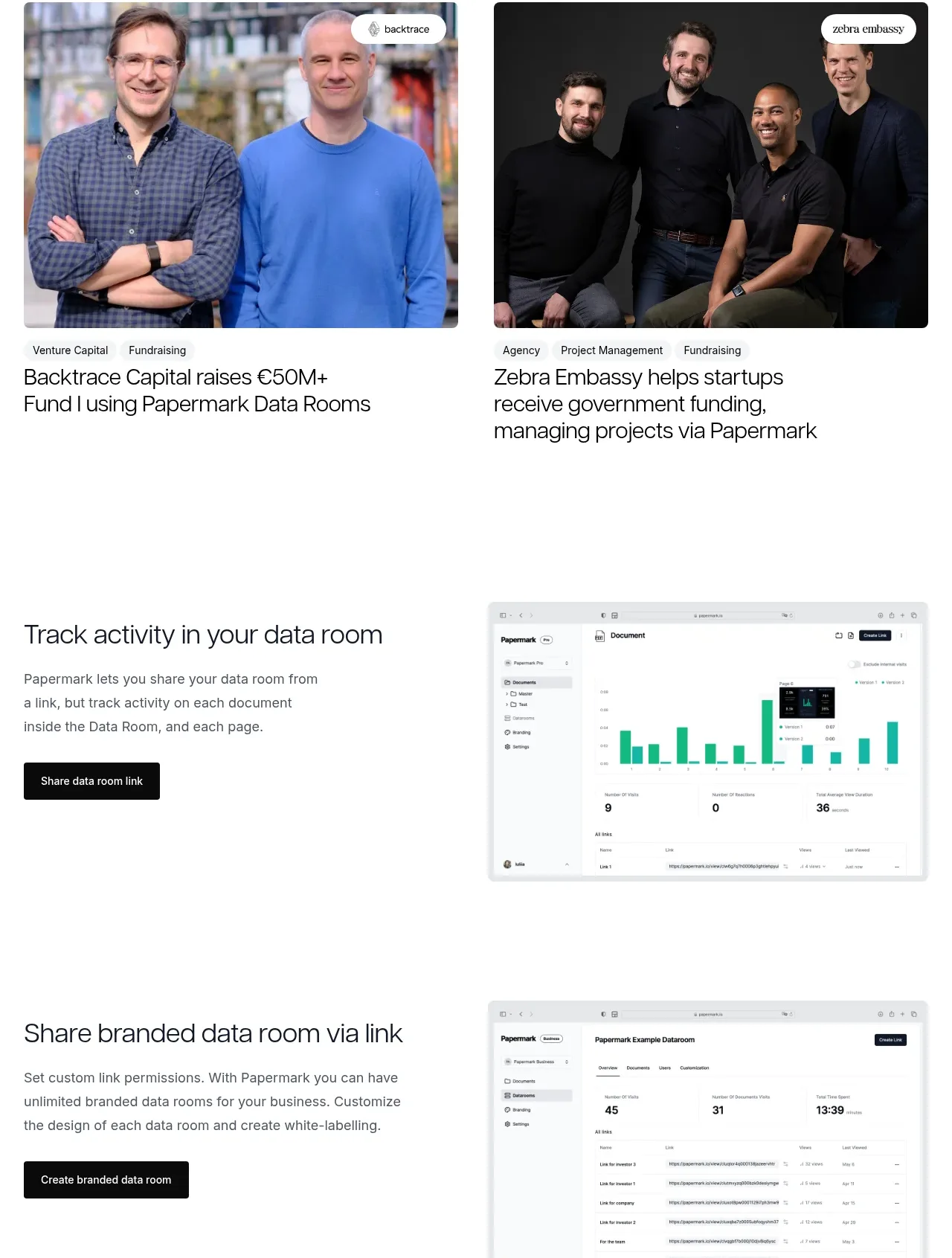
 Customer success stories
Papermark Data Rooms · Testimonials
Customer success stories
Papermark Data Rooms · Testimonials
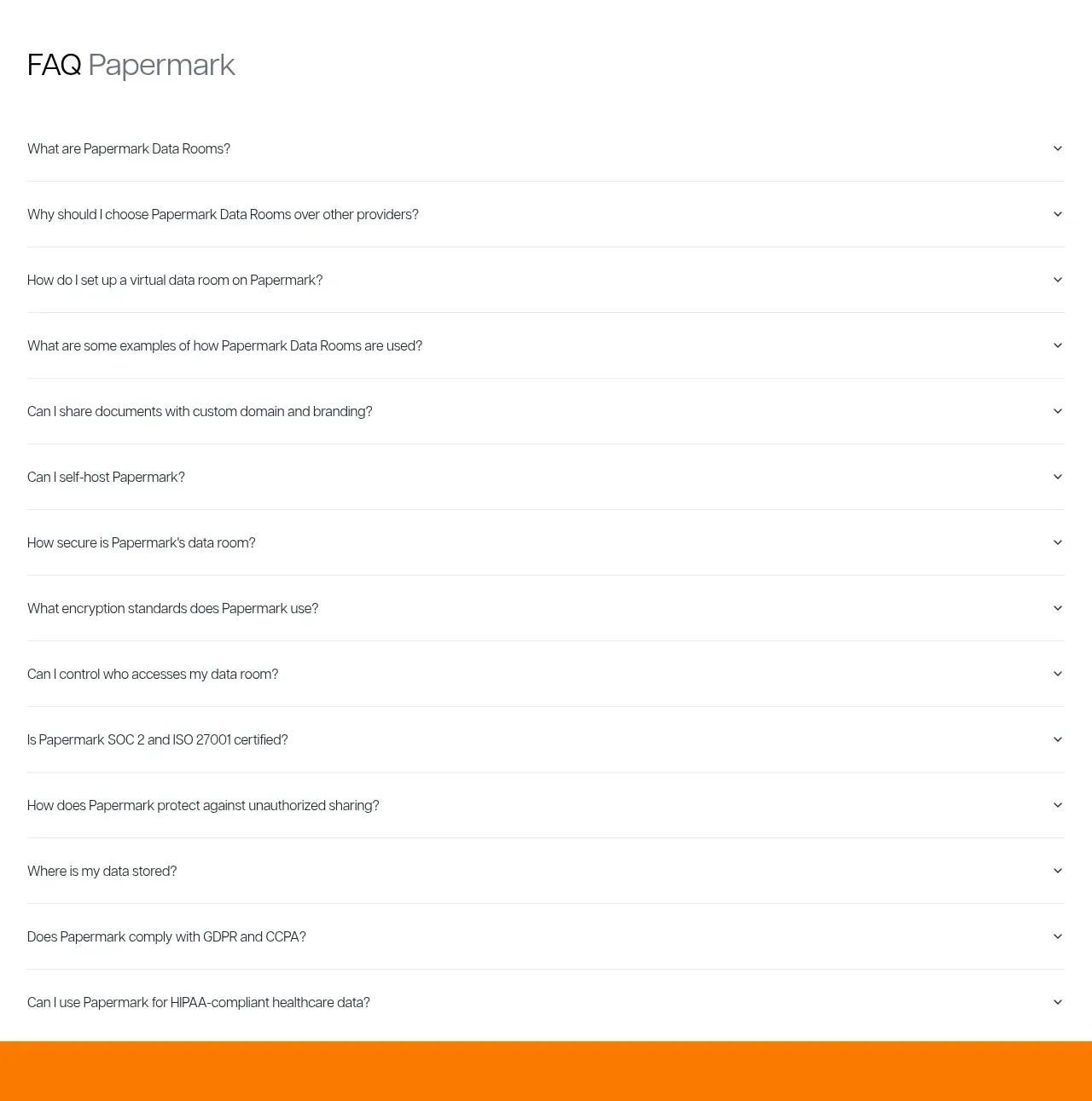 Employee and community testimonials
Papermark Data Rooms · Testimonials
Employee and community testimonials
Papermark Data Rooms · Testimonials

 Customer quote
Clips by Plastic · Testimonials
Customer quote
Clips by Plastic · Testimonials
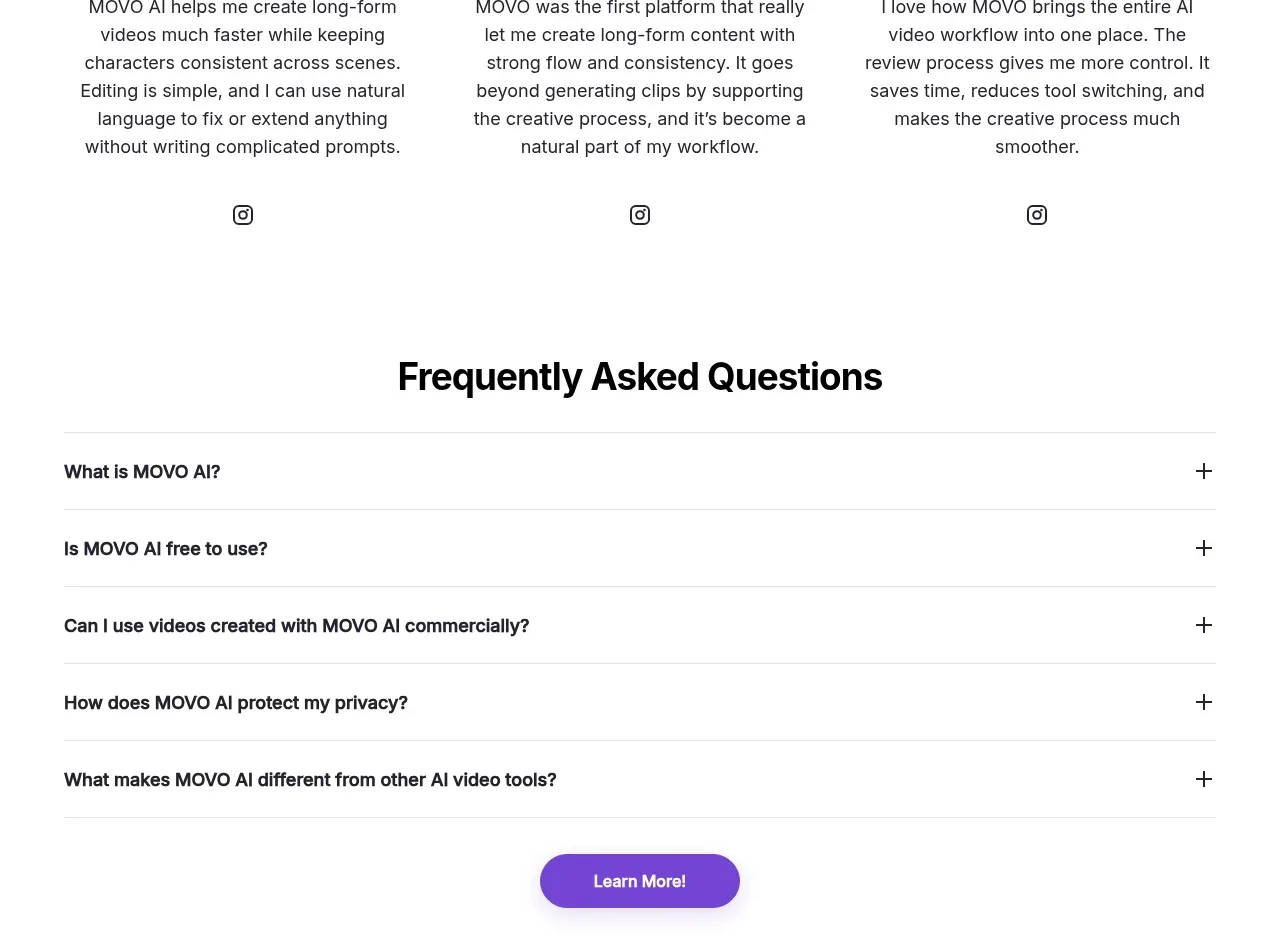
M
Creator testimonials
MOVO AI · Testimonials
 Founder and team testimonials
Fastlane 2.0 · Testimonials
Founder and team testimonials
Fastlane 2.0 · Testimonials
 Customer proof carousel
Koi · Testimonials
Customer proof carousel
Koi · Testimonials