 kage
kage
omnea.co

Design analysis
A row of compact customer story cards mixes short quotes, portrait imagery, and recognizable visual variety, followed by a concise outcomes row.
Prompt preview
## Reference images

Study these alongside the description below: hierarchy, rhythm, spacing, colour. Build for the product you are asked about, using this design language.

- Component: https://kage-design-assets.t3.tigrisfiles.io/components/omnea-co/444fd721-a6f8-467e-8179-cf278abe5ec1-1789142168-5.webp
- Full page it was cut from: https://kage-design-assets.t3.tigrisfiles.io/screenshots/omnea-co/444fd721-a6f8-467e-8179-cf278abe5ec1-1789141735165-full.webp
- Component on Kage: https://kage.design/component/omnea-testimonials

## Before you start
Ask what the user's product is, who it serves, and what its brand personality and primary conversion goal are. Then apply the following principles to that product rather than copying the reference.

Create a customer stories section with a left-aligned heading and a horizontally scrollable row of four testimonial cards. Give each card a distinct quiet background or portrait treatment, short quote, and compact person/role attribution; keep text readable over imagery with a soft gradient if necessary. Beneath the cards, add a simple line introducing aggregate results and three large percentages with concise descriptions. Use warm white #fbfbfa, cards with 1px #e5e5e0 borders or muted image backgrounds, 4–8px radius, and generous 24px internal padding. On desktop show four cards with partial overflow or carousel controls; on mobile use snap scrolling and preserve accessible keyboard navigation.

Never use logos, product names, copy, illustrations, or imagery from the reference.
More components
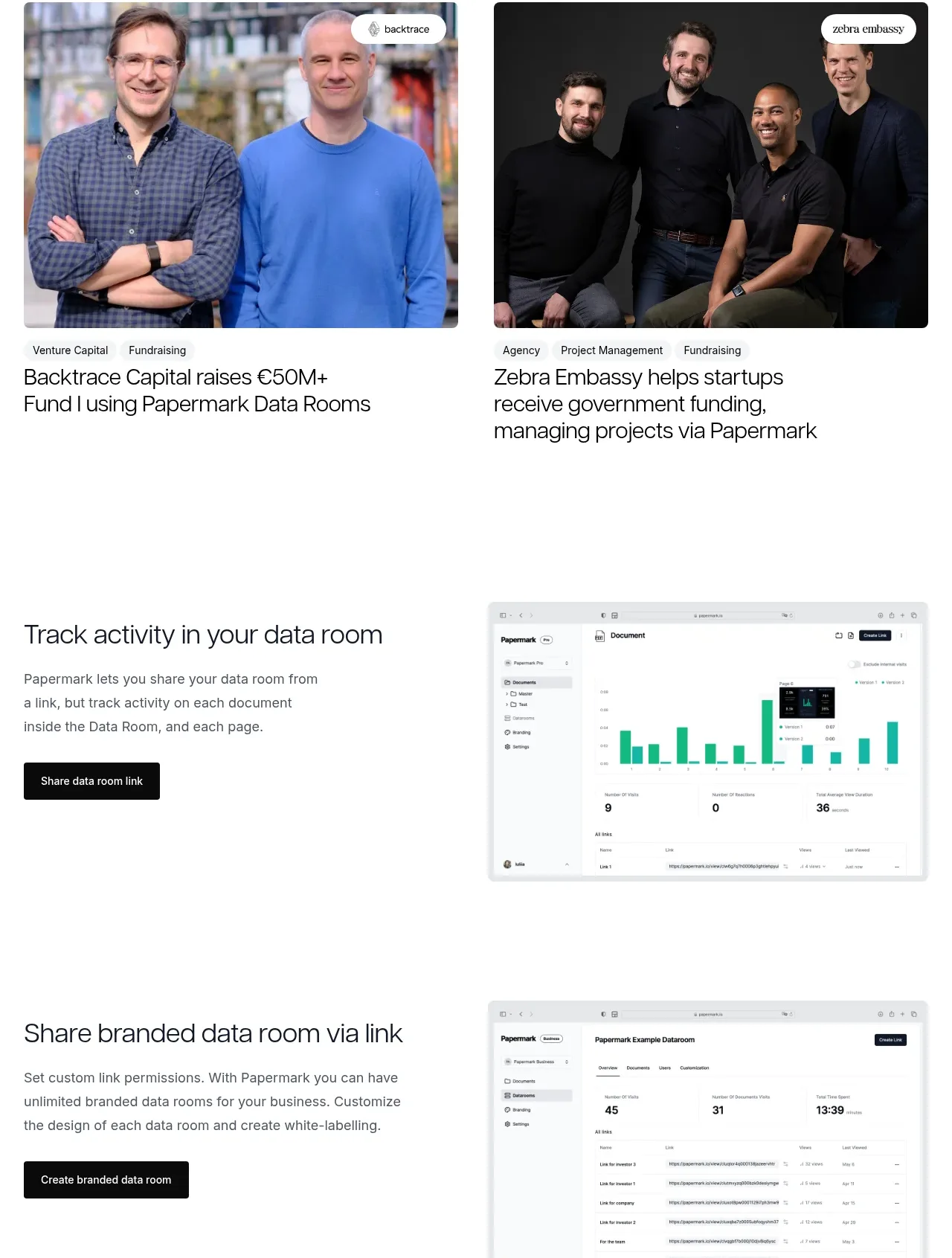
 Customer success stories
Papermark Data Rooms · Testimonials
Customer success stories
Papermark Data Rooms · Testimonials
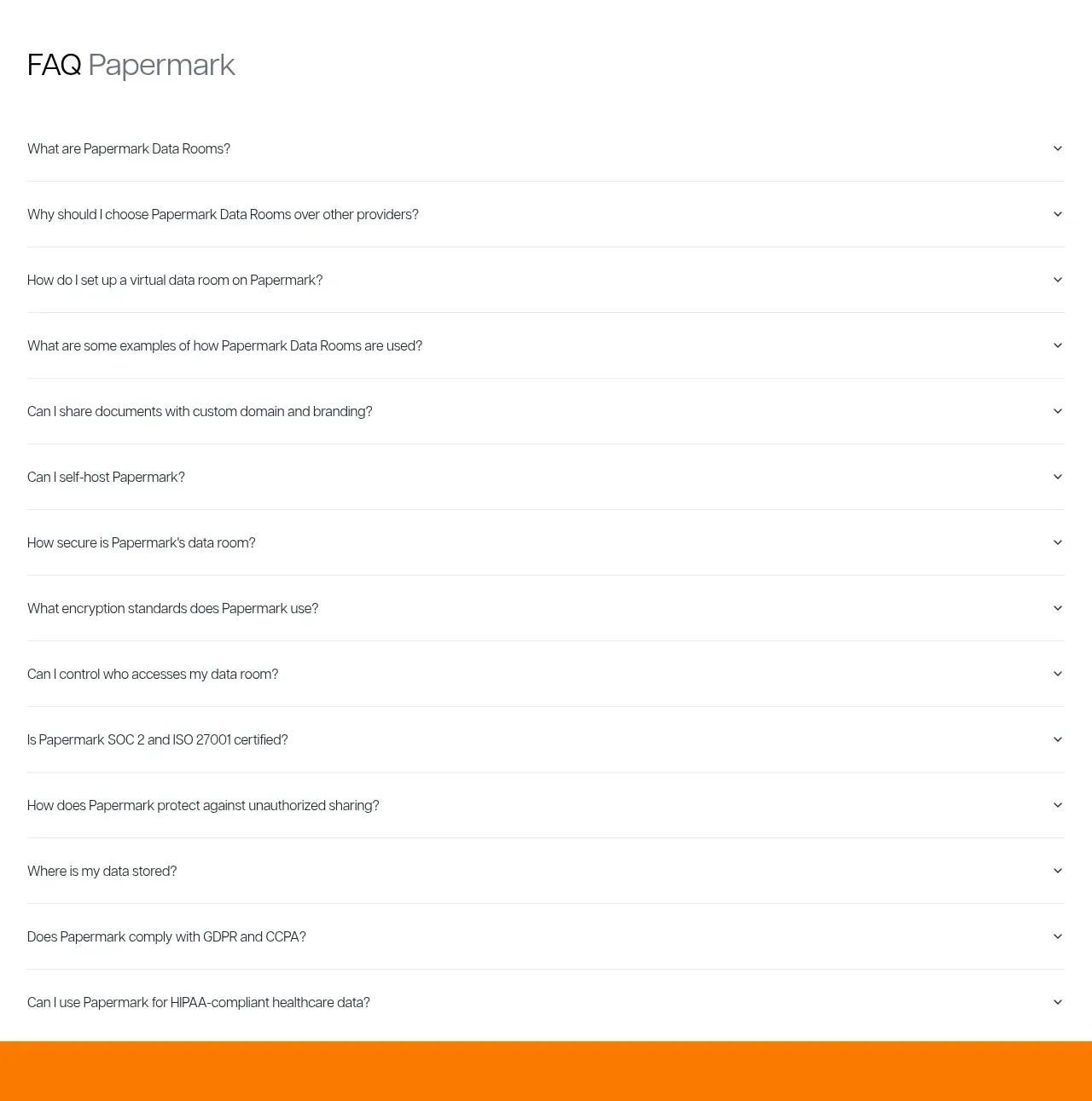 Employee and community testimonials
Papermark Data Rooms · Testimonials
Employee and community testimonials
Papermark Data Rooms · Testimonials
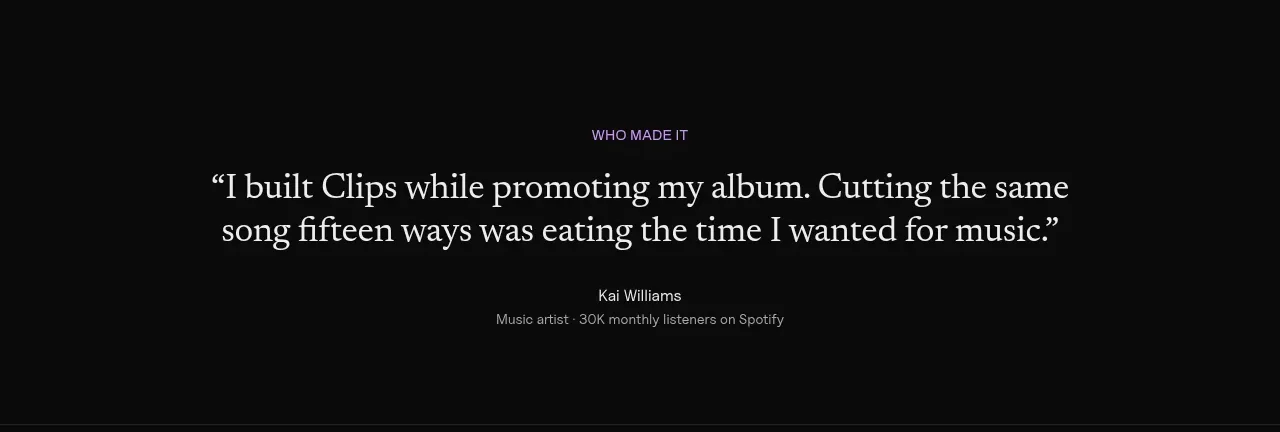
 Customer quote
Clips by Plastic · Testimonials
Customer quote
Clips by Plastic · Testimonials
M
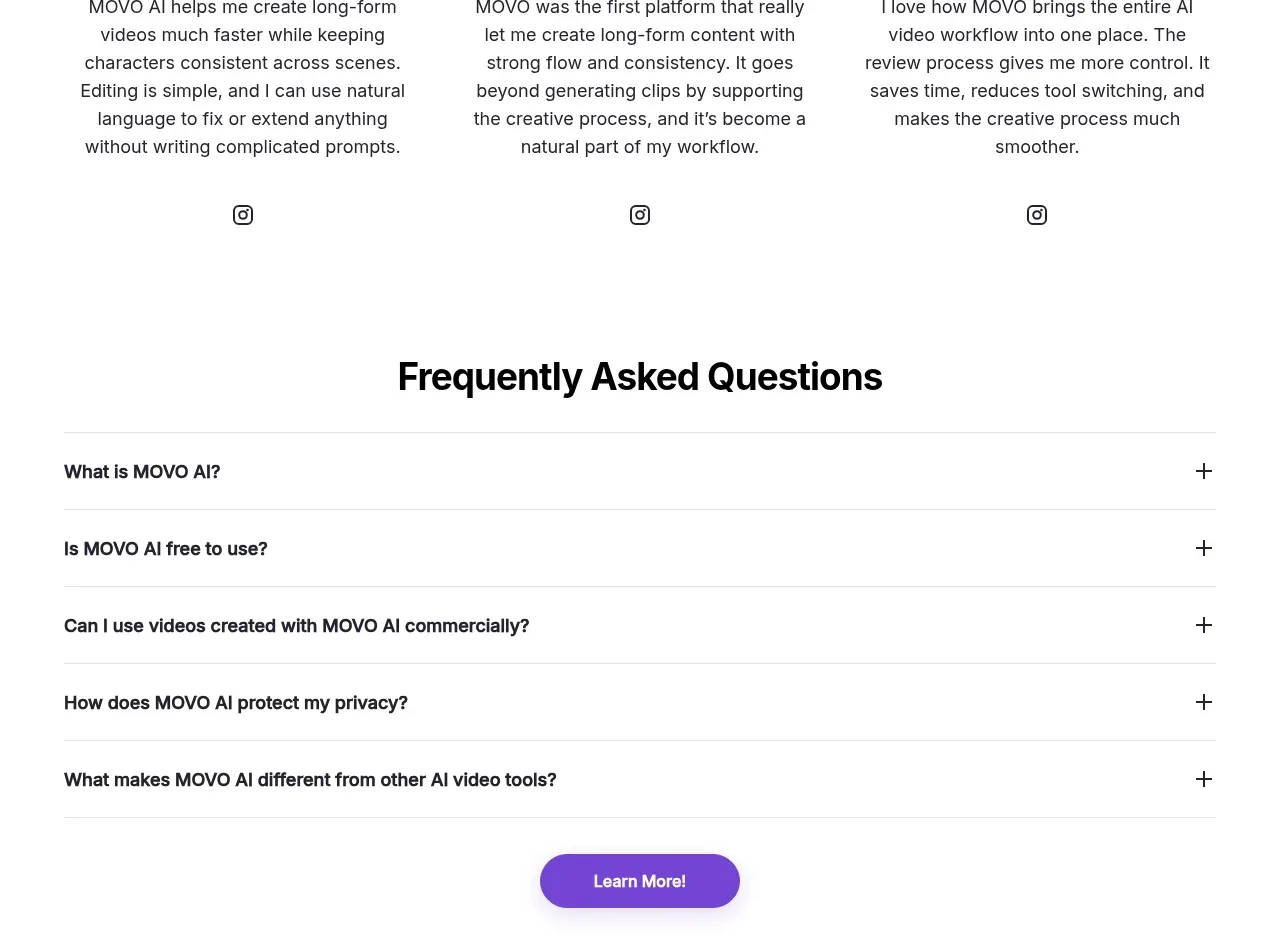
Creator testimonials
MOVO AI · Testimonials
 Founder and team testimonials
Fastlane 2.0 · Testimonials
Founder and team testimonials
Fastlane 2.0 · Testimonials
 Customer proof carousel
Koi · Testimonials
Customer proof carousel
Koi · Testimonials