 kage
kage
useomnia.com
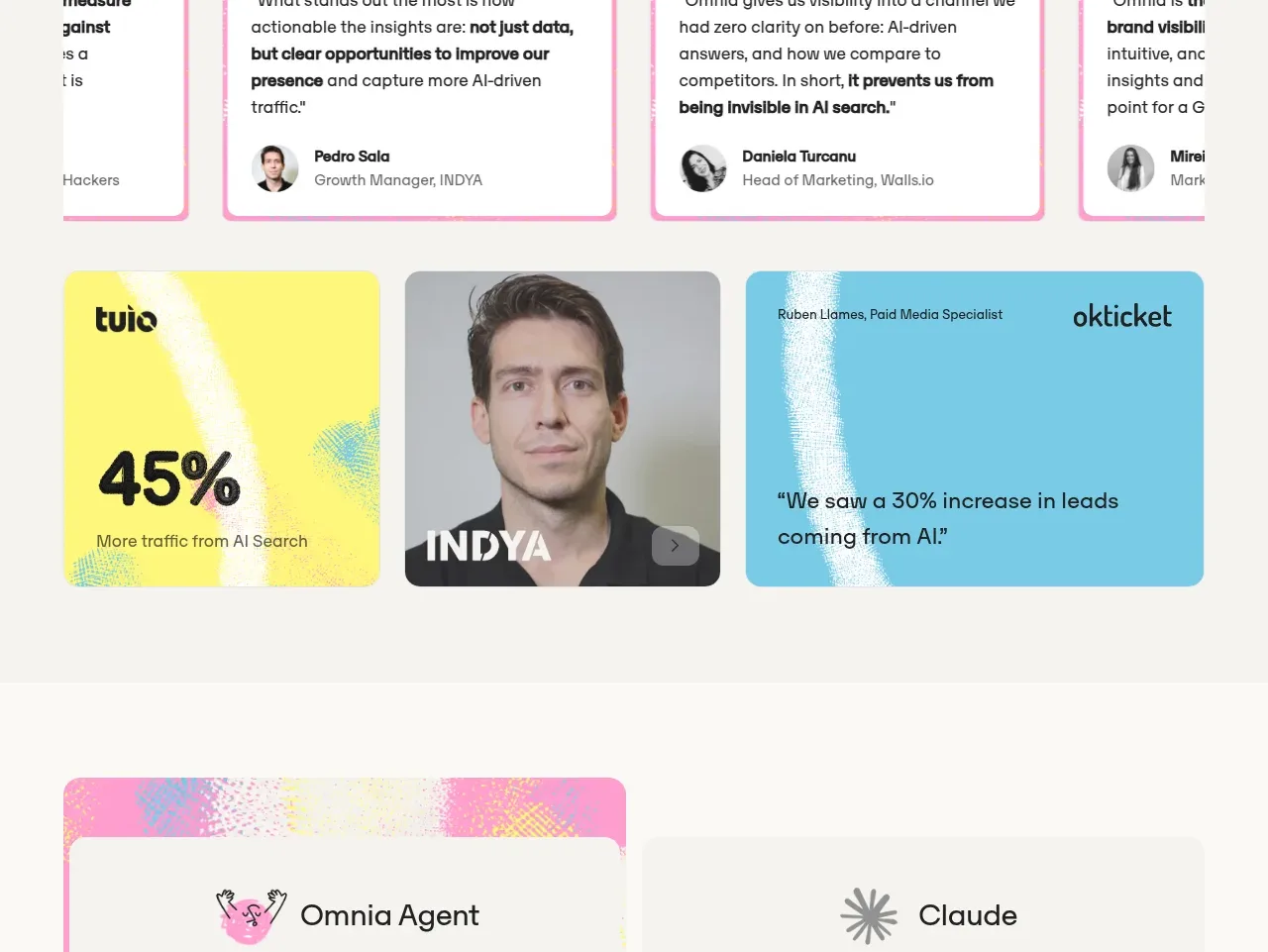
Design analysis
The social-proof area combines bordered quote cards, identifiable speaker details, and colorful metric/video tiles in a horizontally cropped carousel-like composition.
Prompt preview
## Reference images

Study these alongside the description below: hierarchy, rhythm, spacing, colour. Build for the product you are asked about, using this design language.

- Component: https://kage-design-assets.t3.tigrisfiles.io/components/omnia-agent/49497126-f7d8-48a0-b56b-a26990811c92-1790920879-6.webp
- Full page it was cut from: https://kage-design-assets.t3.tigrisfiles.io/screenshots/omnia-agent/49497126-f7d8-48a0-b56b-a26990811c92-1790920840559-full.webp
- Component on Kage: https://kage.design/component/omnia-agent-testimonials

## Before you start
Ask what the user's product and brand are, then apply these principles to that product rather than reproducing the reference.

Design a testimonial section with a row of quote cards followed by a row of visual outcome tiles. Quote cards should have a thin bright accent border, rounded corners, a star rating, a short bold title, a quoted paragraph, and an avatar/name/role footer. Outcome tiles can use solid pastel backgrounds, a large metric or short customer statement, and an optional portrait/video tile. Make the row horizontally scrollable on smaller screens with visible partial next cards to signal more content. Keep typography black and cards spacious; use the accent color sparingly for credibility rather than decoration.

Never: use the reference logo, product name, exact copy, illustrations, imagery, or branded assets.
More components
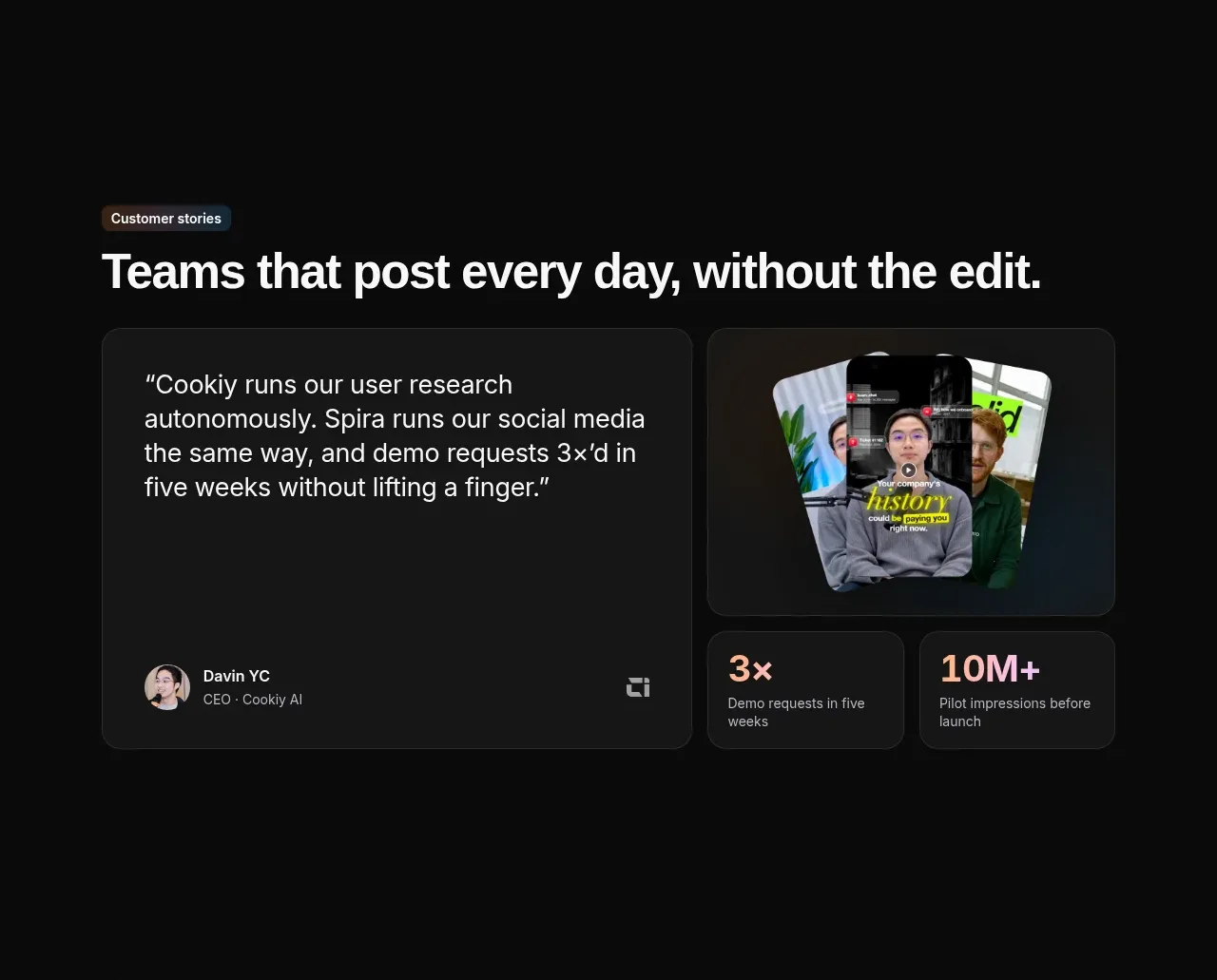
 Customer story and proof points
Spira Maxima · Testimonials
Customer story and proof points
Spira Maxima · Testimonials
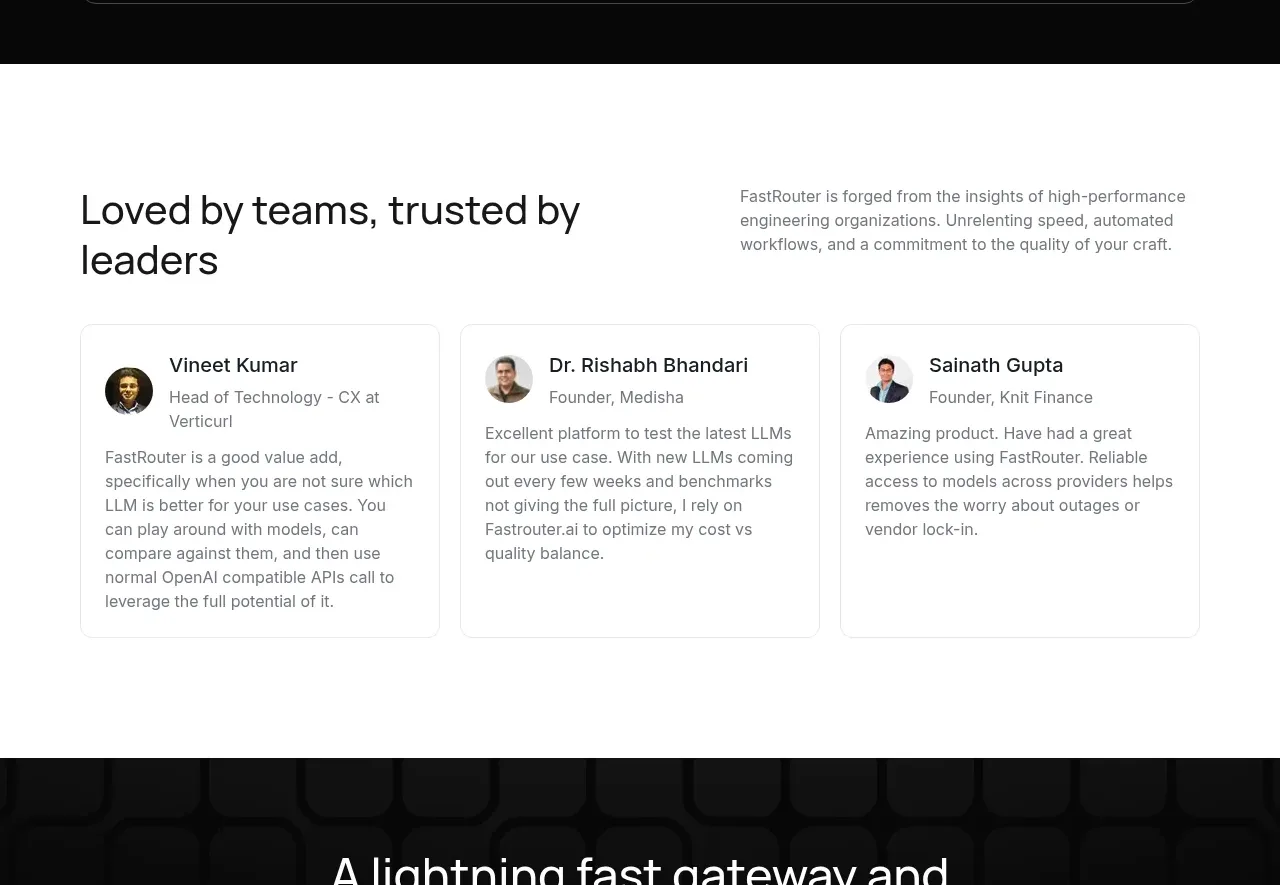
 Customer testimonial cards
FastRouter.ai · Testimonials
Customer testimonial cards
FastRouter.ai · Testimonials
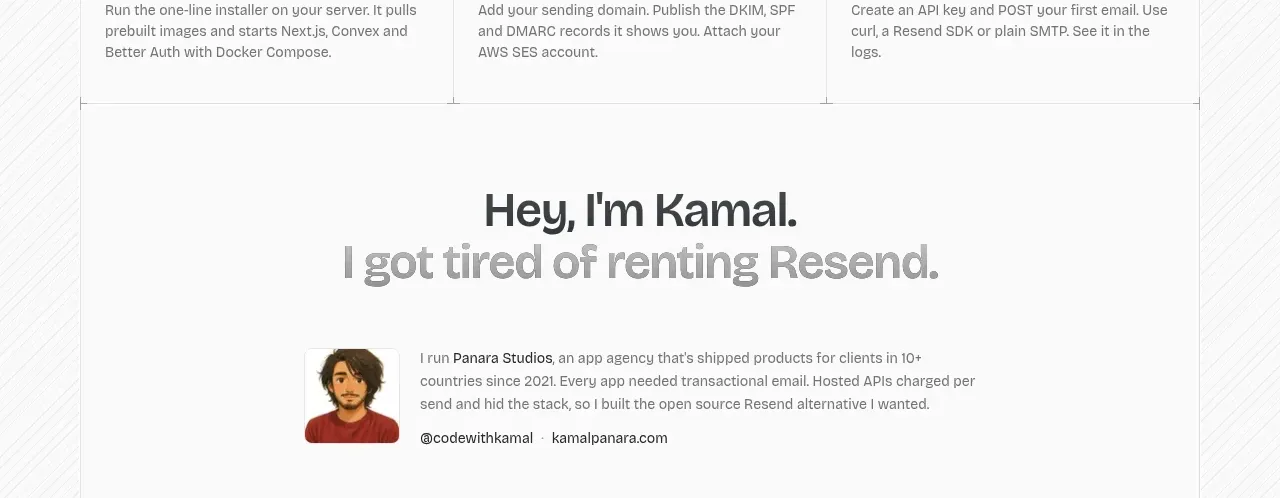
 Founder story
opensend.cc · Testimonials
Founder story
opensend.cc · Testimonials
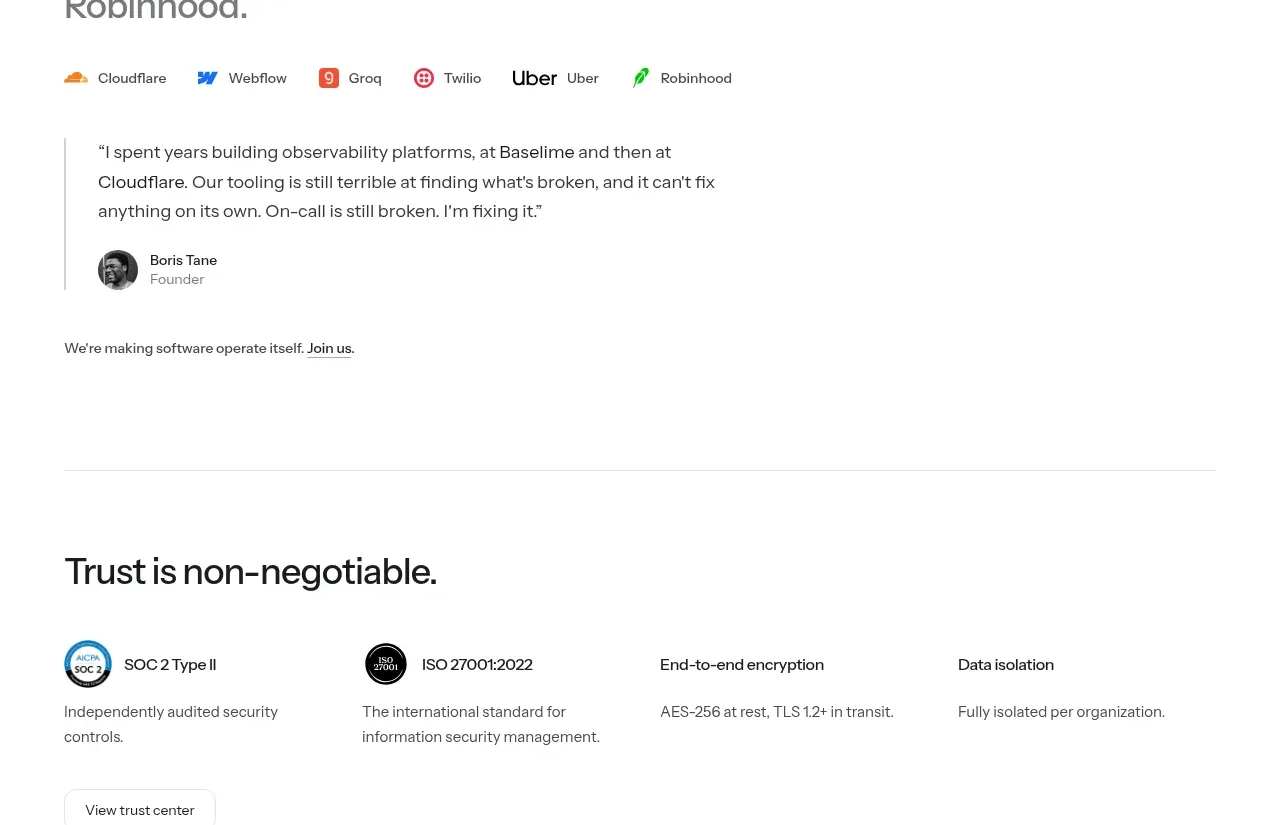
P
Founder testimonial
Polylane · Testimonials
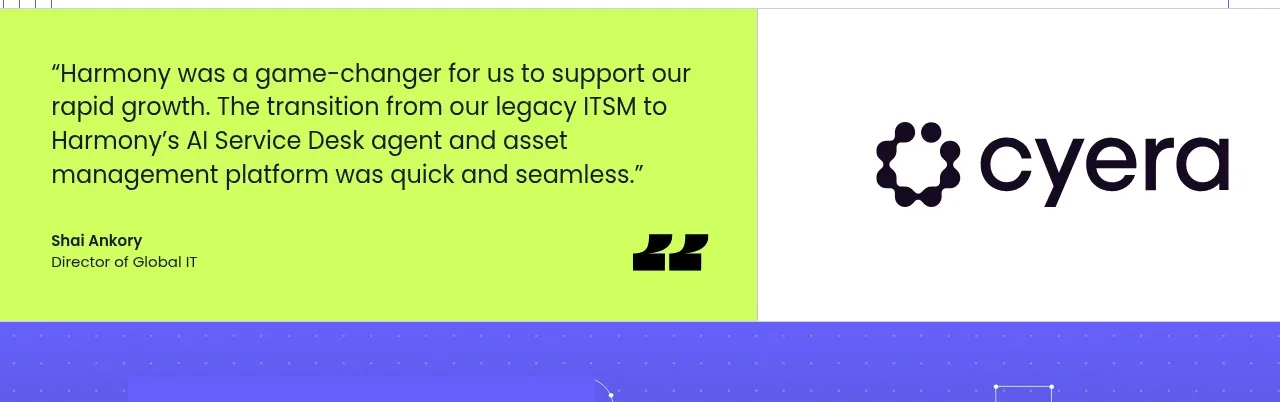
 Customer proof statement
Harmony · Testimonials
Customer proof statement
Harmony · Testimonials
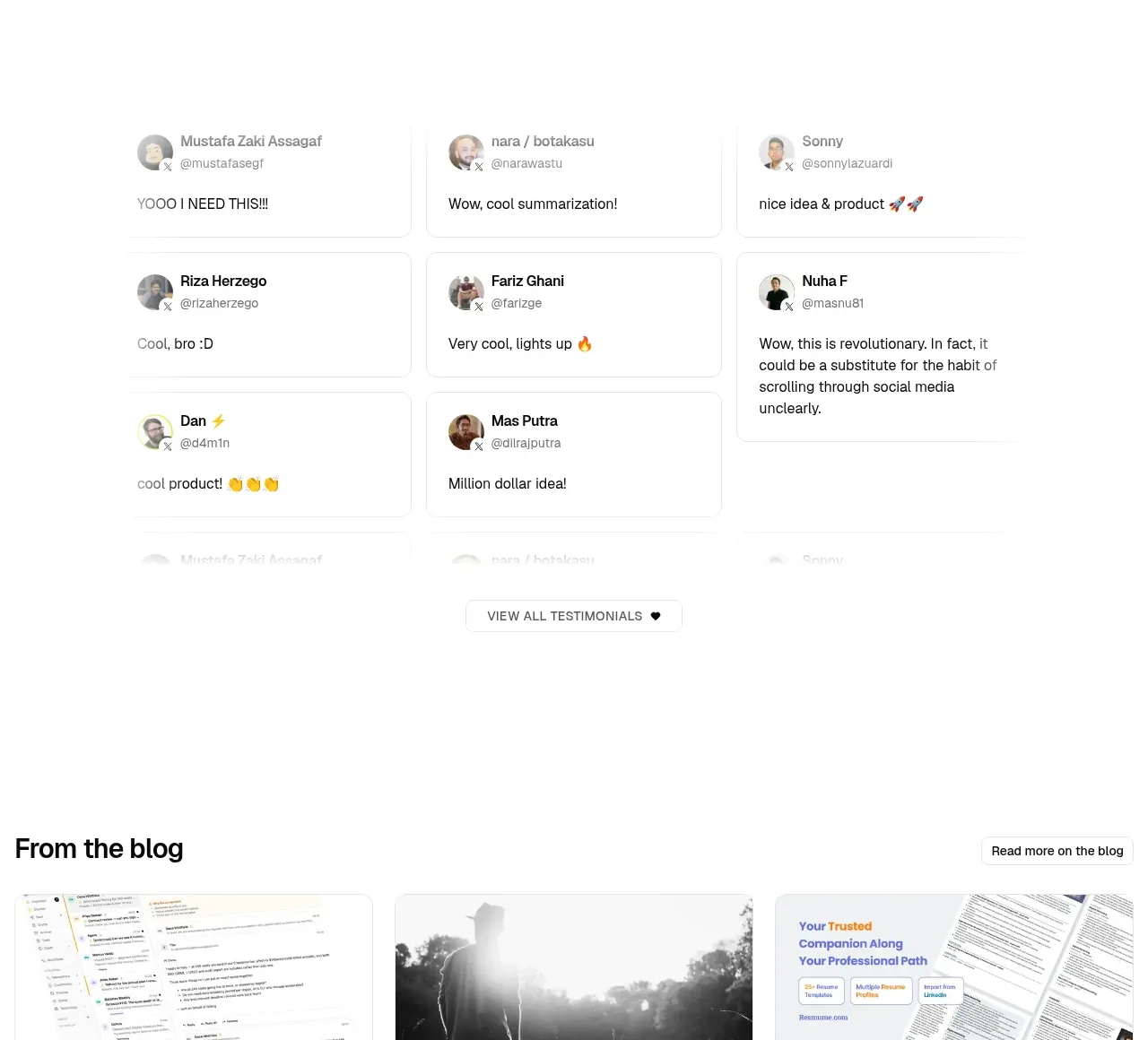
 Community testimonials
LaterOn v2: The agentic email plaftform · Testimonials
Community testimonials
LaterOn v2: The agentic email plaftform · Testimonials