kage
peras.vertias.eu
Design analysis
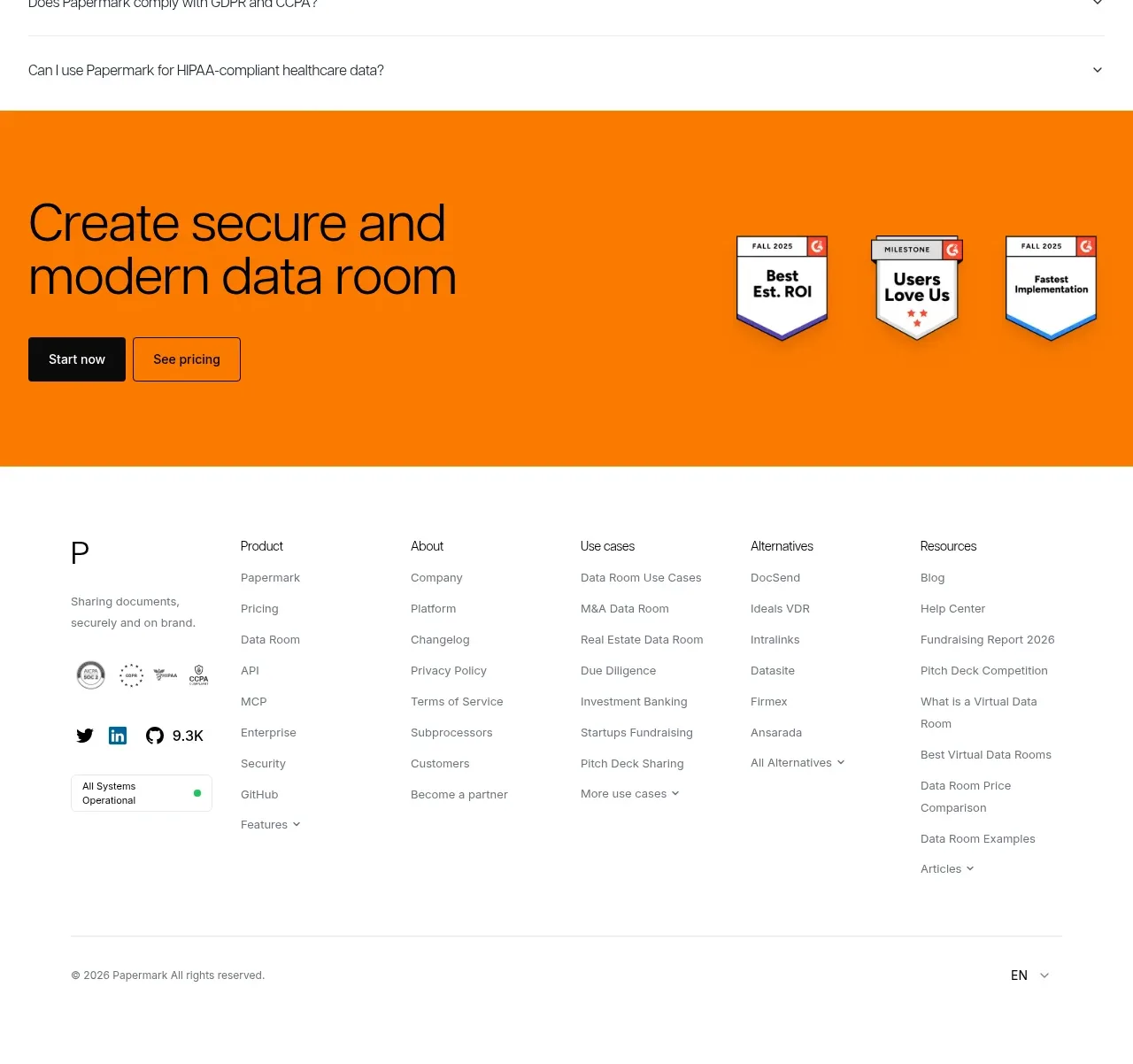
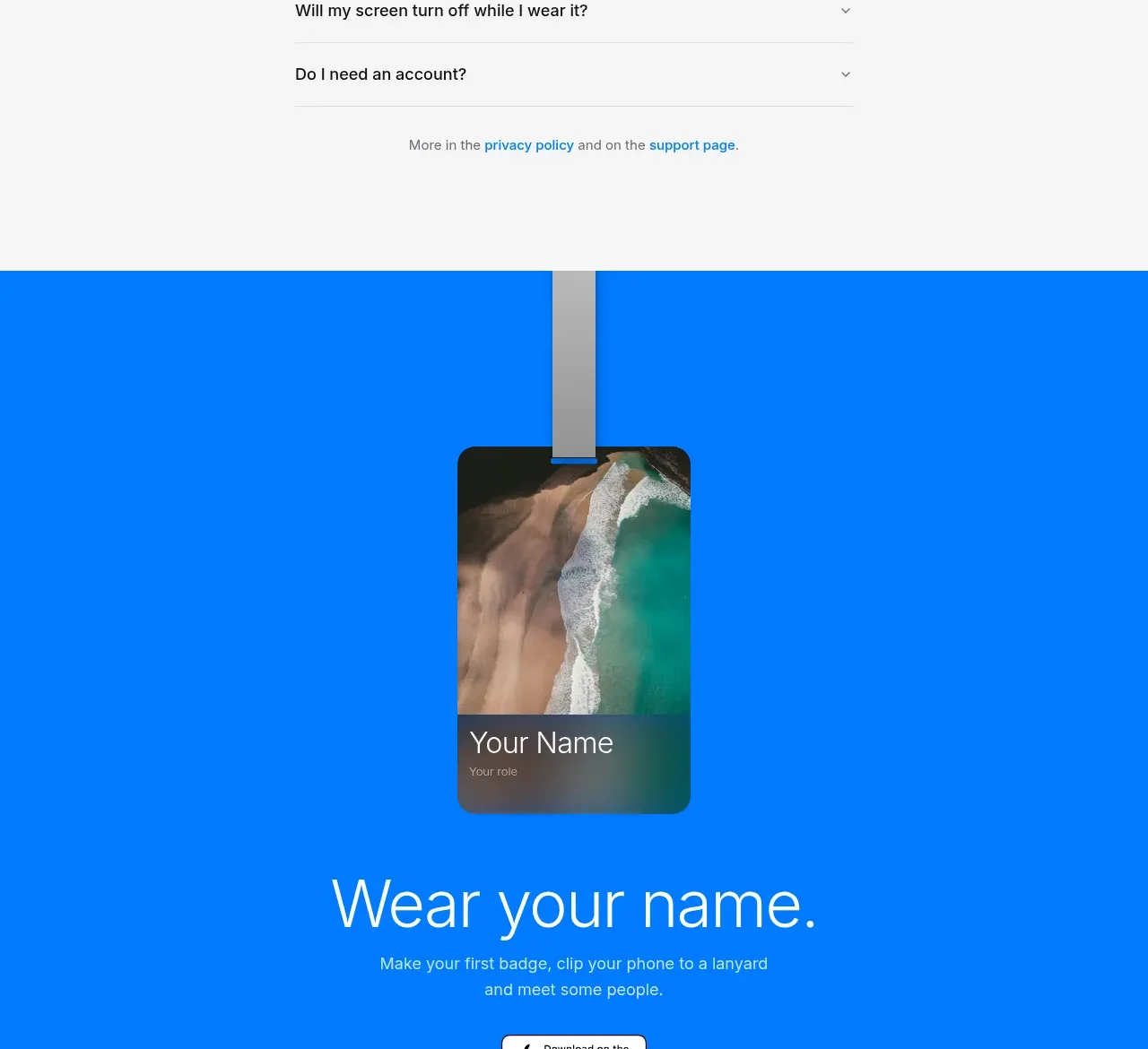
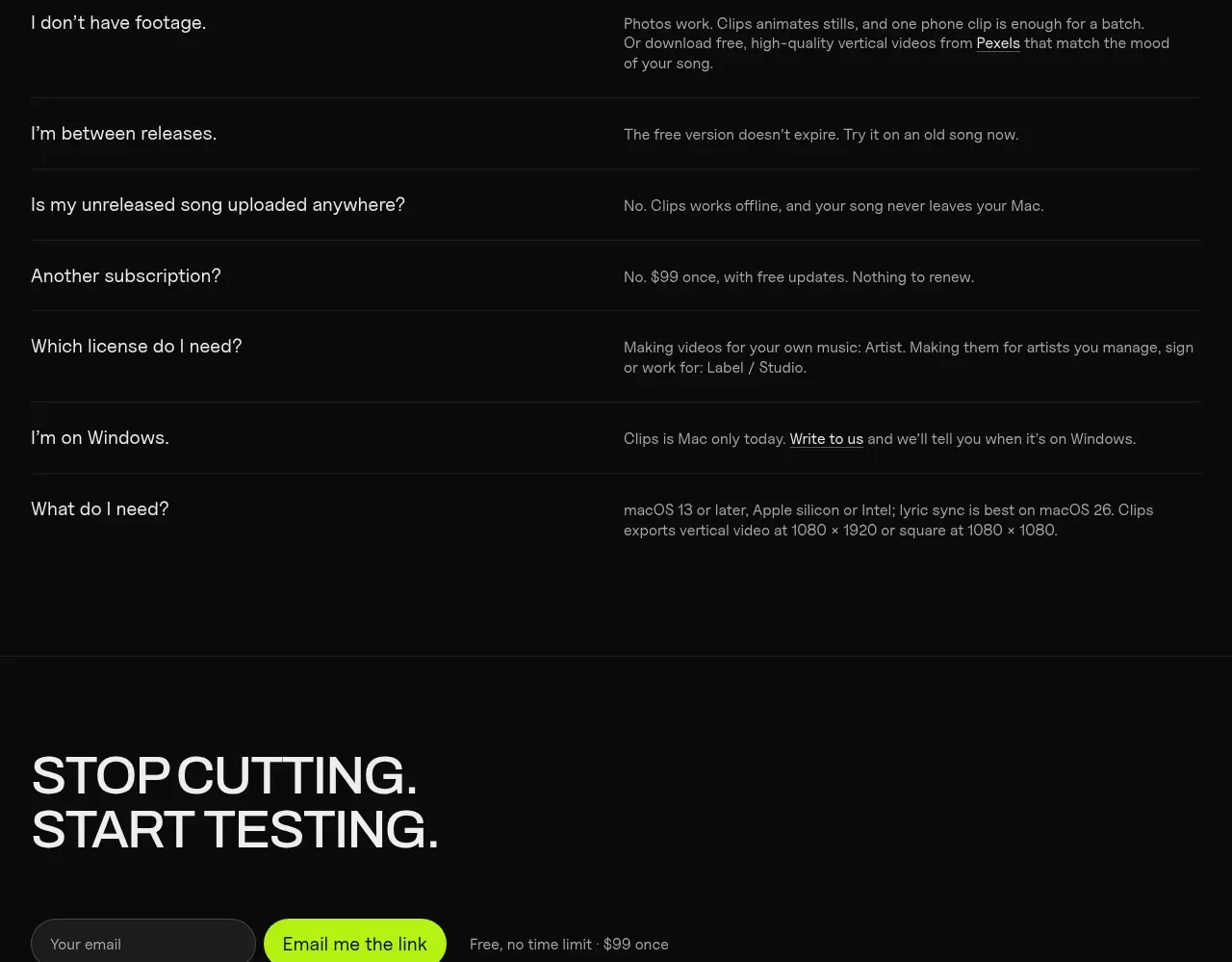
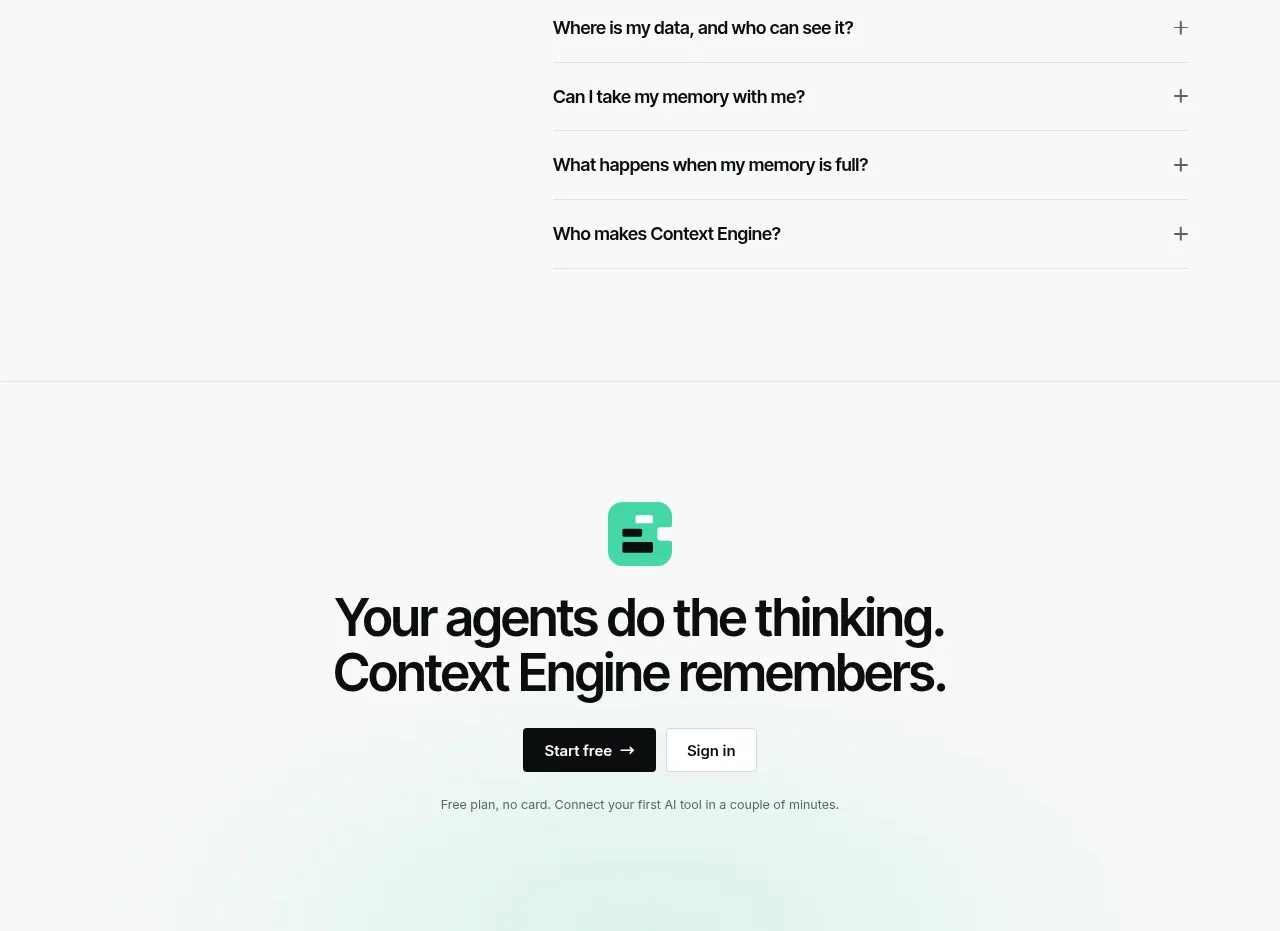
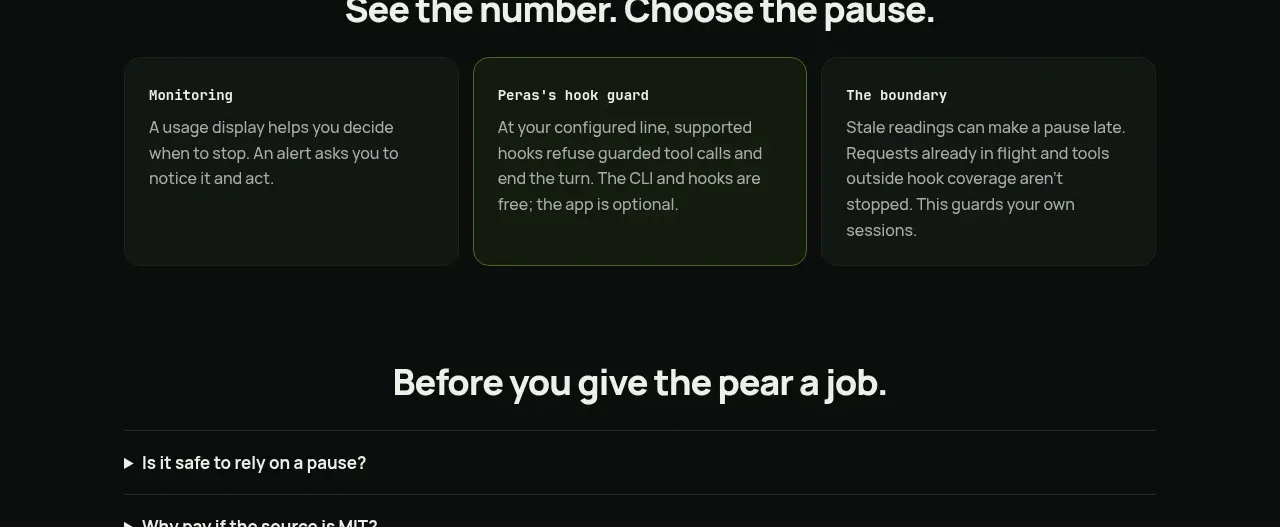
A broad FAQ closes the product explanation with stacked disclosure rows covering safety, pricing, tracking, platform support, installation, and limits.
Prompt preview
## Reference images

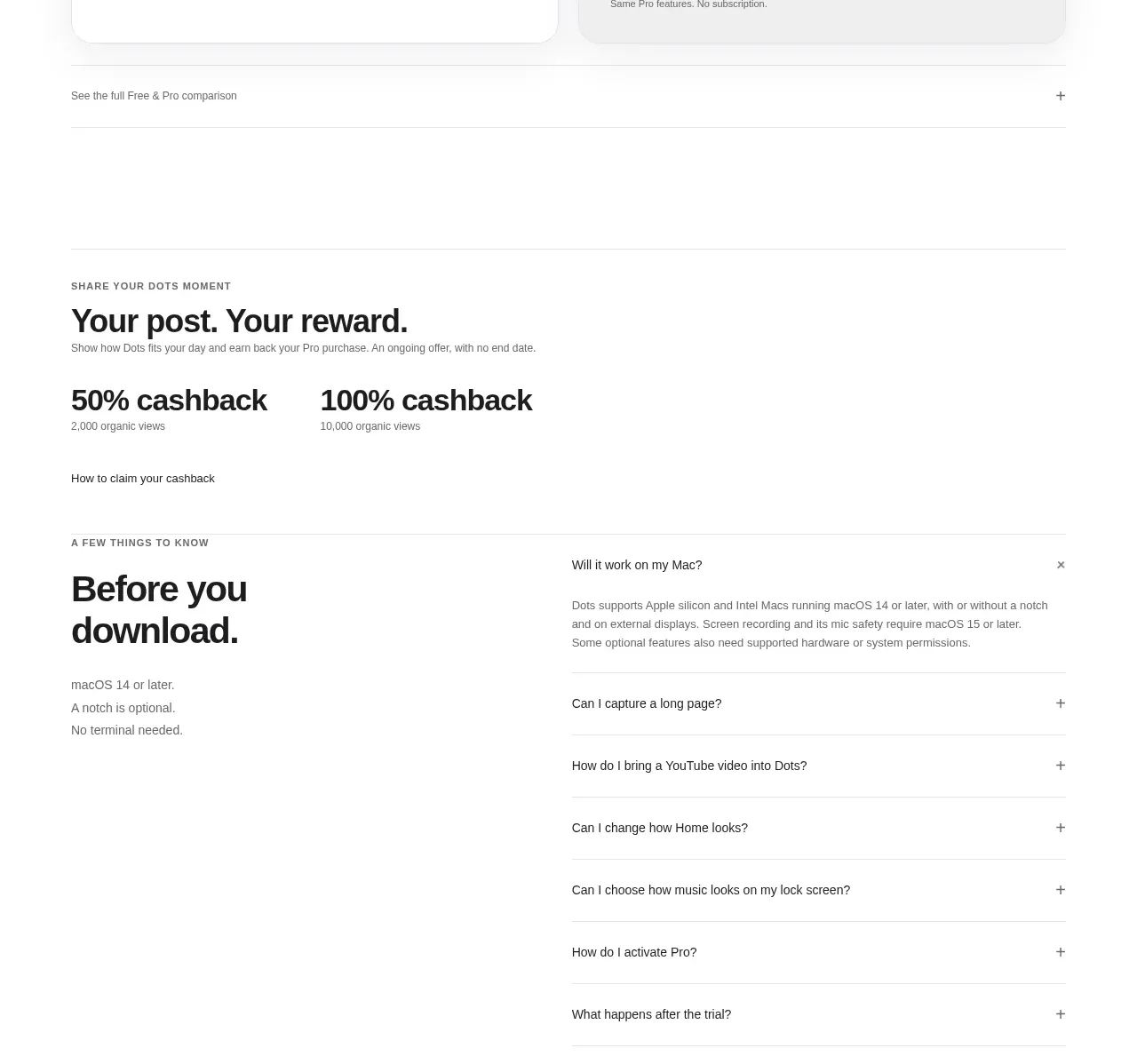
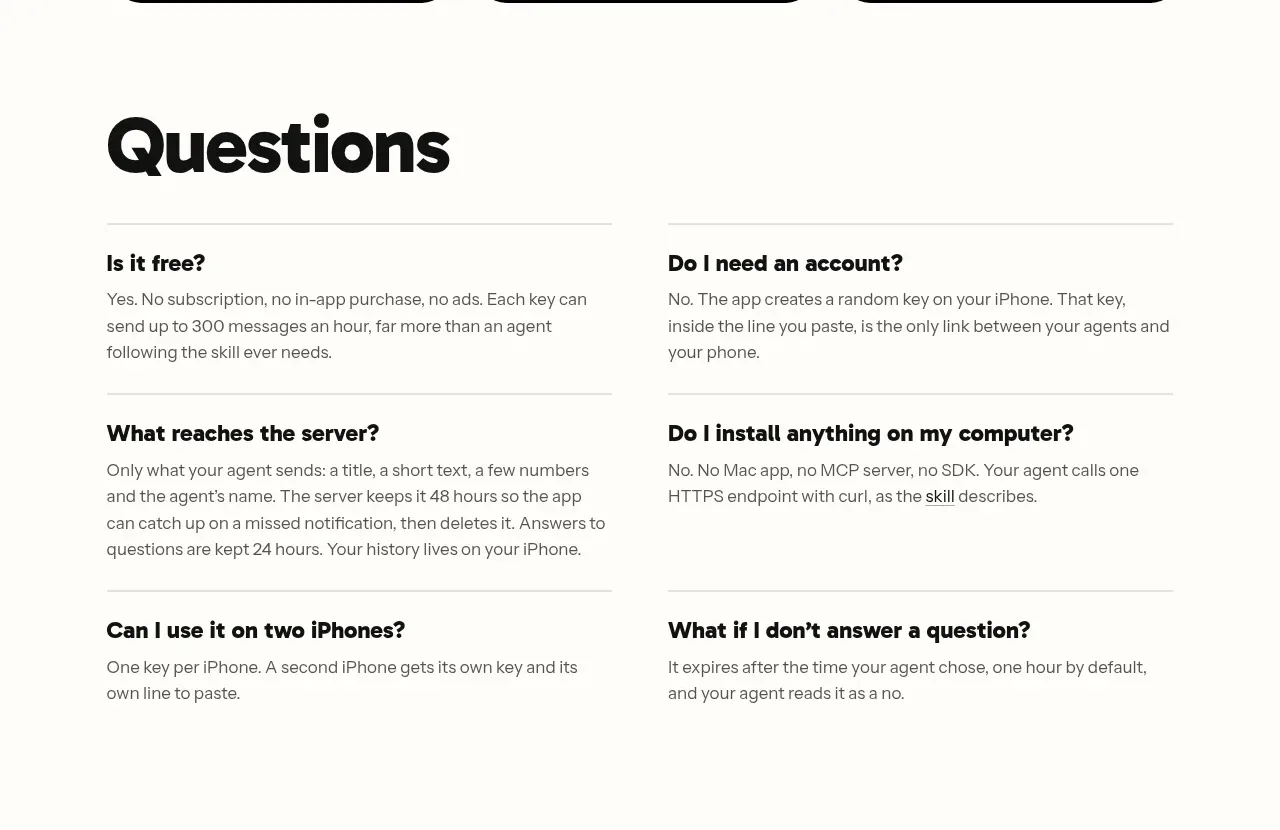
Study these alongside the description below: hierarchy, rhythm, spacing, colour. Build for the product you are asked about, using this design language.

- Component: https://kage-design-assets.t3.tigrisfiles.io/components/peras/2c988a48-c598-4fdf-86c9-23be8072f64d-1792821848-10.webp
- Full page it was cut from: https://kage-design-assets.t3.tigrisfiles.io/screenshots/peras/2c988a48-c598-4fdf-86c9-23be8072f64d-1792821751917-full.webp
- Component on Kage: https://kage.design/component/peras-faq

## Before you start
Ask what objections and setup questions users have about the user's product. Use those questions to design an original FAQ, not to reproduce the reference.

Build a centered FAQ section with a strong heading and a full-width stack of accordion rows. Each row should show a small disclosure chevron, a concise question, and an expandable answer with readable line length. Use thin horizontal dividers rather than heavy cards. Keep the default state collapsed, animate height and chevron rotation accessibly, and support keyboard focus. Use #080b0a background, #1f2621 dividers, #eef1eb question text, #969f96 answers, and lime for focus or open state. Use 16px questions, 15px answers, and 18–22px row padding. Add a small group of related documentation links below.

Never: copy logos, product names, copy, illustrations, or imagery from the reference.