 kage
kage
polylane.com
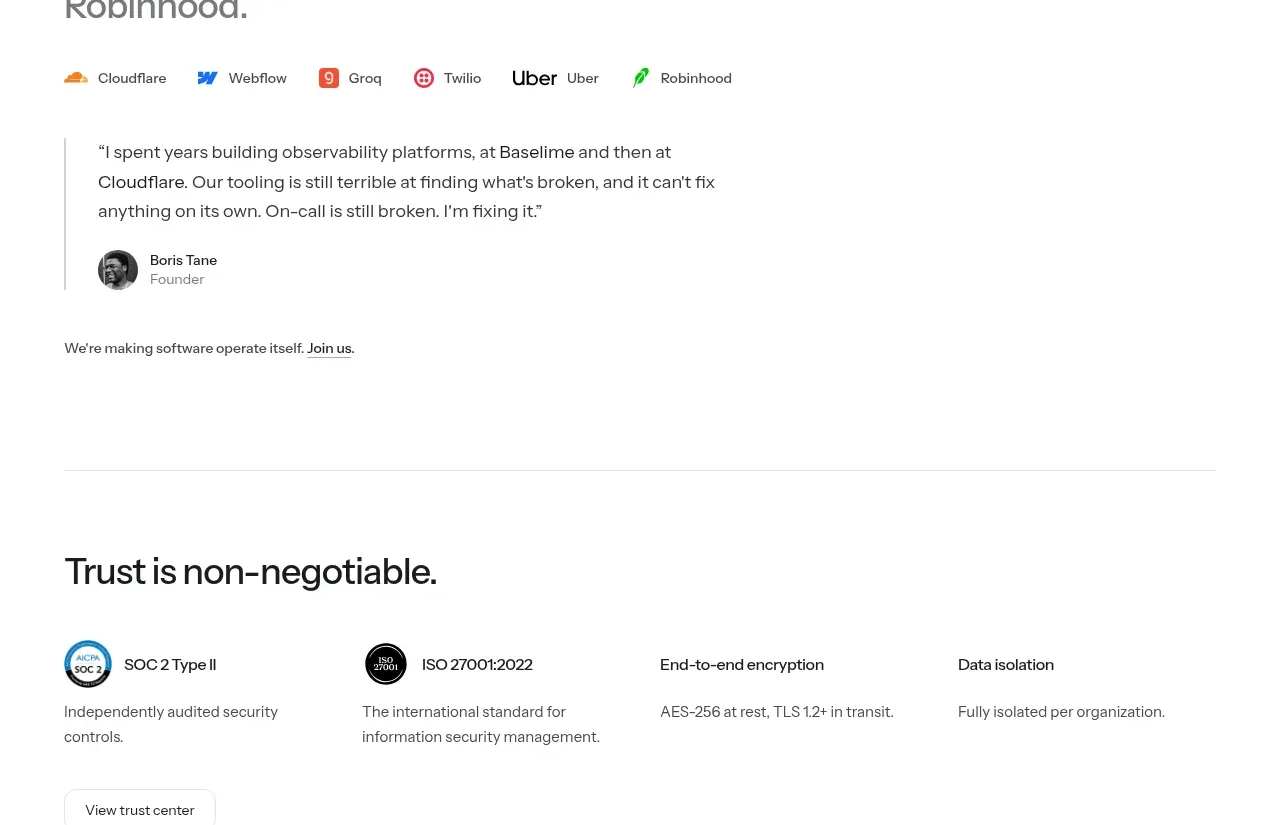
Design analysis
A concise credibility section combines a founder-oriented statement, a small row of recognizable company references, and a single attributed quote with generous breathing room.
Prompt preview
## Reference images

Study these alongside the description below: hierarchy, rhythm, spacing, colour. Build for the product you are asked about, using this design language.

- Component: https://kage-design-assets.t3.tigrisfiles.io/components/polylane/638c7112-70a9-484e-b85d-ab255c3ac21a-1790920981-5.webp
- Full page it was cut from: https://kage-design-assets.t3.tigrisfiles.io/screenshots/polylane/638c7112-70a9-484e-b85d-ab255c3ac21a-1790920937285-full.webp
- Component on Kage: https://kage.design/component/polylane-testimonials

## Before you start
Ask who the user's most credible customers or advocates are, what claim they can substantiate, and whether portrait or company attribution is permitted. Use those answers to create an original testimonial section.

Build a low-noise testimonial band. Lead with a short proof-oriented heading, optionally show a restrained row of customer categories or company references, then present one prominent quote in a narrow readable measure with a thin vertical rule and compact attribution. The quote should feel editorial rather than boxed in a card. Keep the section focused on one specific outcome and provide carousel controls only if there are multiple genuine quotes.

Use #171717 for headings and quote text, #555555 for supporting text, white background, #DADADA rule, and green only for a small accent or link. Set quote text around 17–20px with 1.6 line-height, heading around 32–42px, and use 64–120px vertical padding. Use a small circular portrait only when available and consented; otherwise use a text attribution. Ensure responsive stacking and accessible attribution.

Never: use logos, product names, copy, illustrations or imagery from the reference.
More components
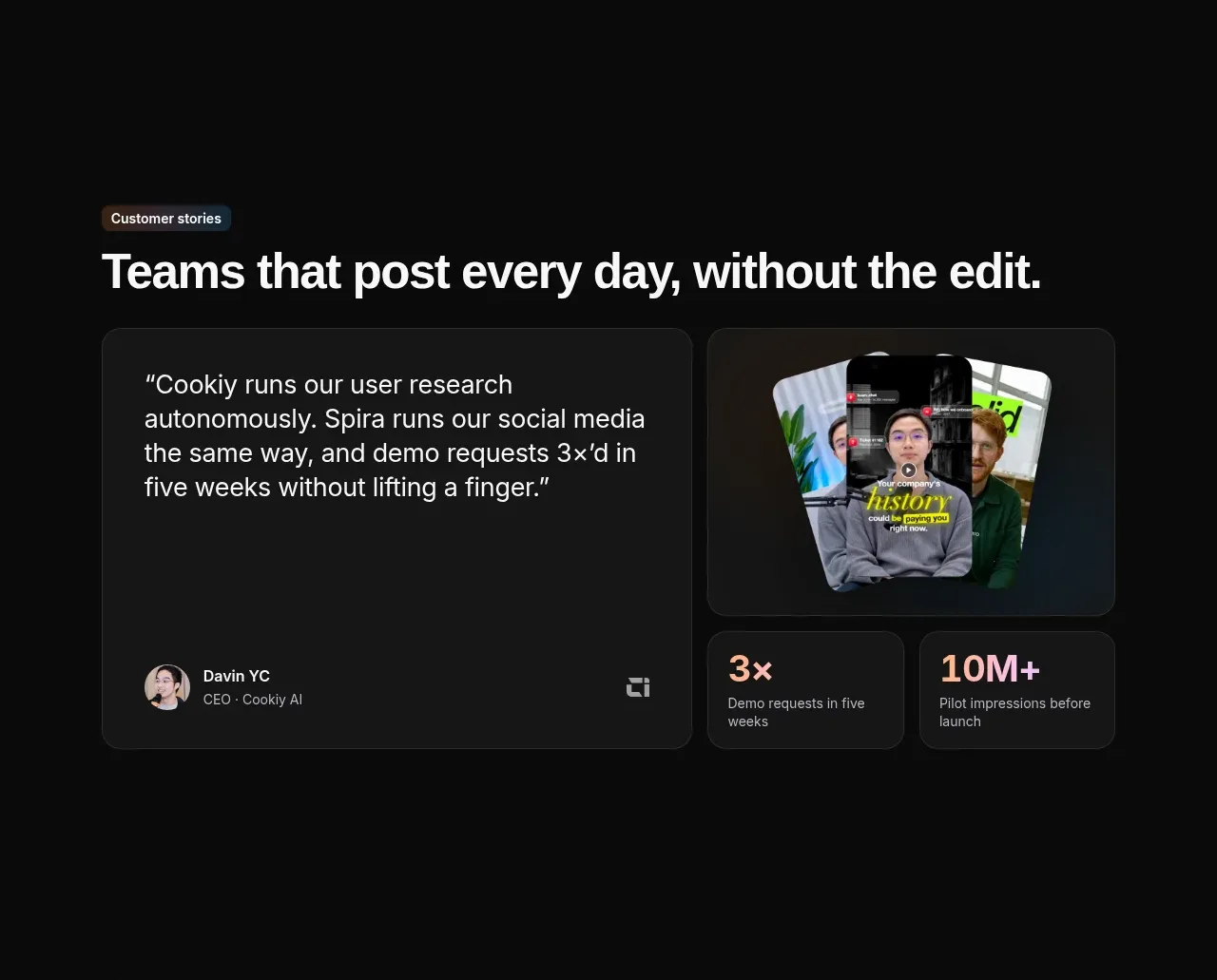
 Customer story and proof points
Spira Maxima · Testimonials
Customer story and proof points
Spira Maxima · Testimonials
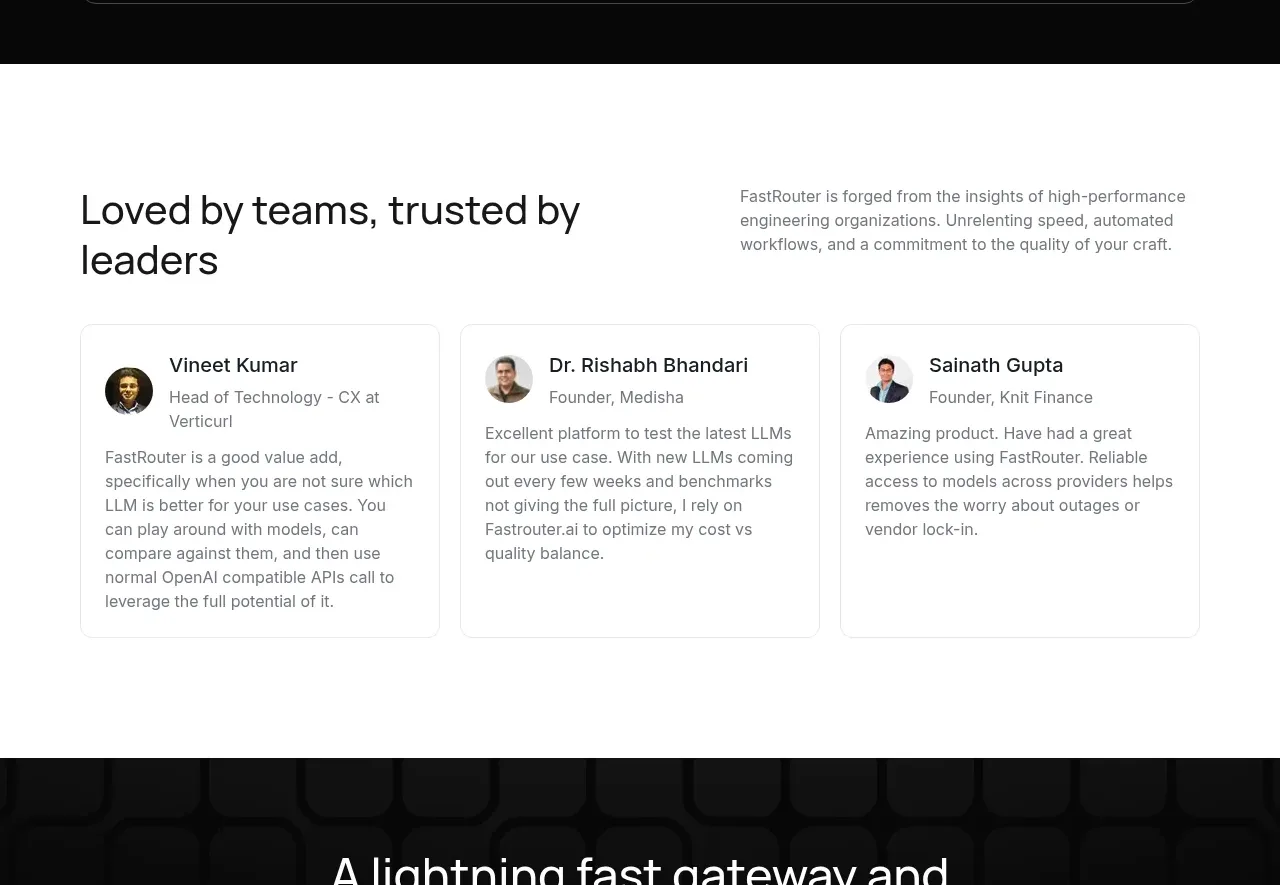
 Customer testimonial cards
FastRouter.ai · Testimonials
Customer testimonial cards
FastRouter.ai · Testimonials
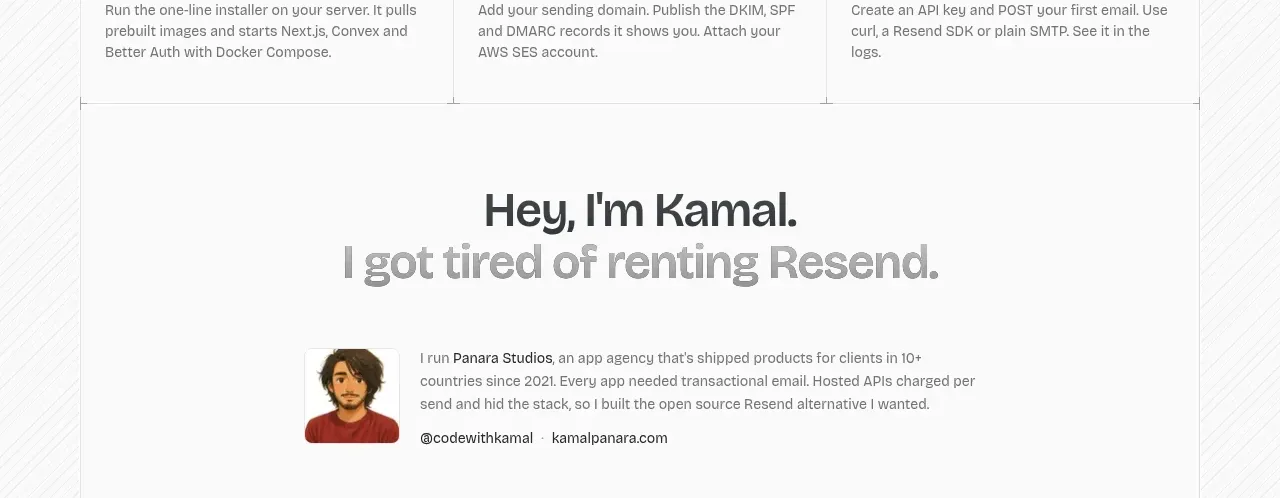
 Founder story
opensend.cc · Testimonials
Founder story
opensend.cc · Testimonials
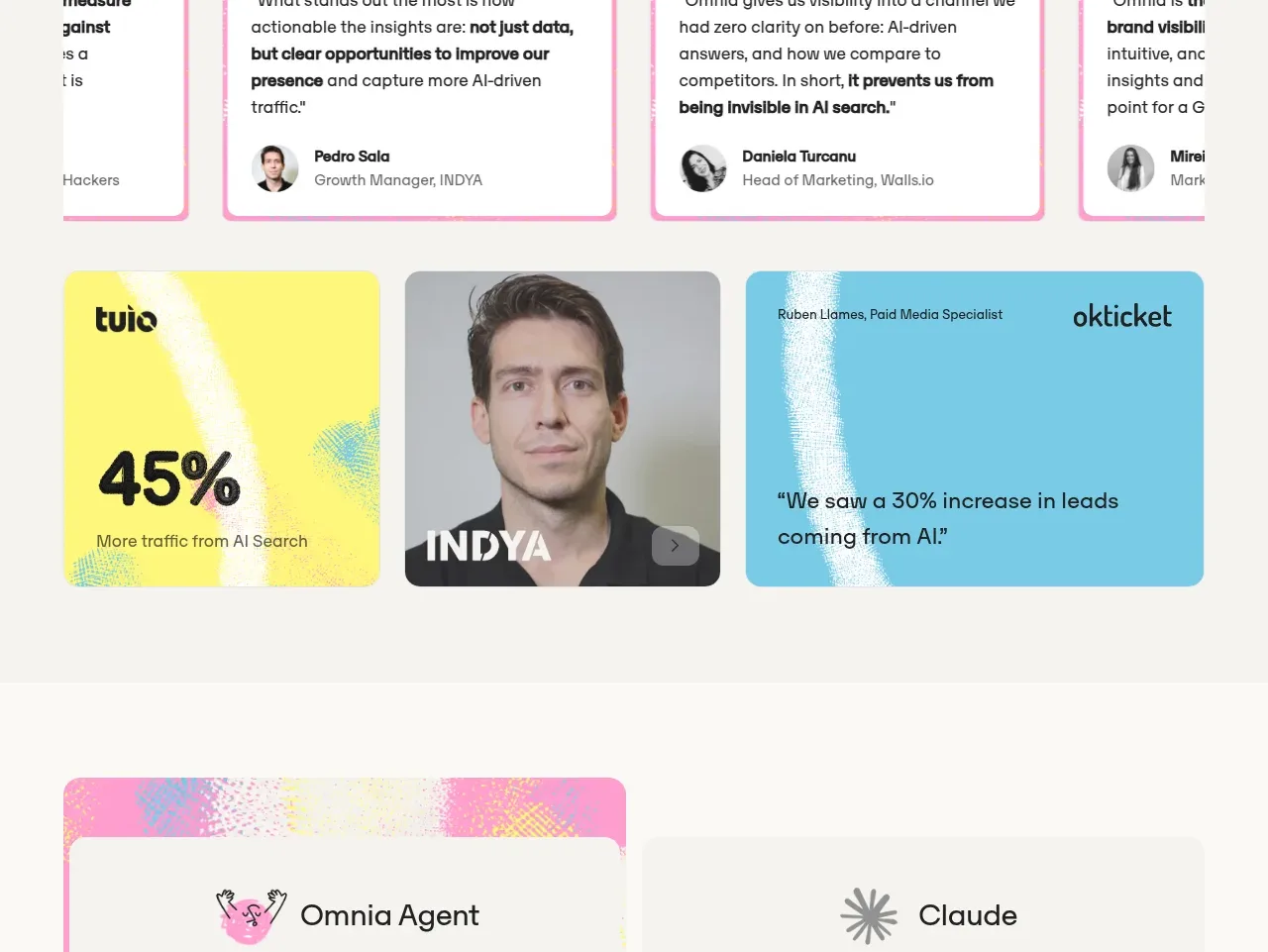
 Customer proof and outcomes
Omnia Agent · Testimonials
Customer proof and outcomes
Omnia Agent · Testimonials
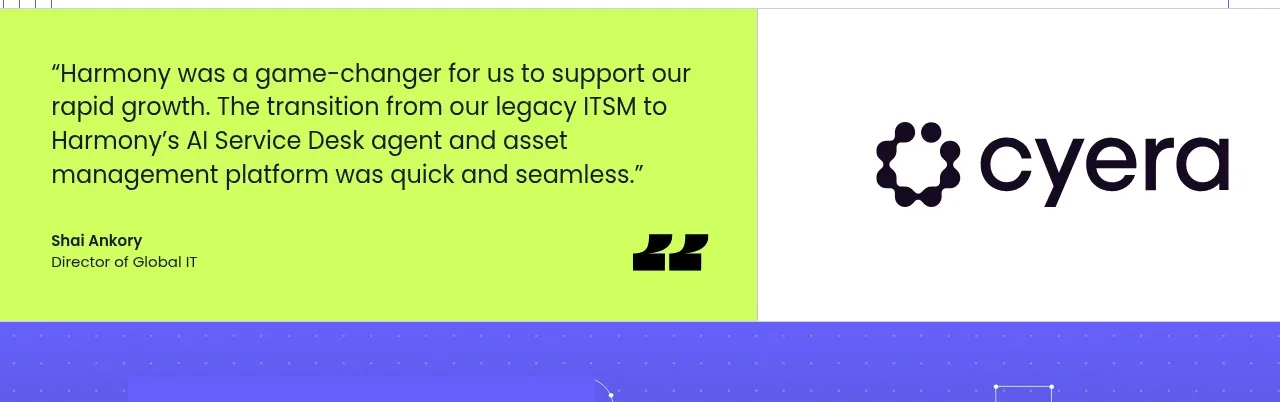
 Customer proof statement
Harmony · Testimonials
Customer proof statement
Harmony · Testimonials
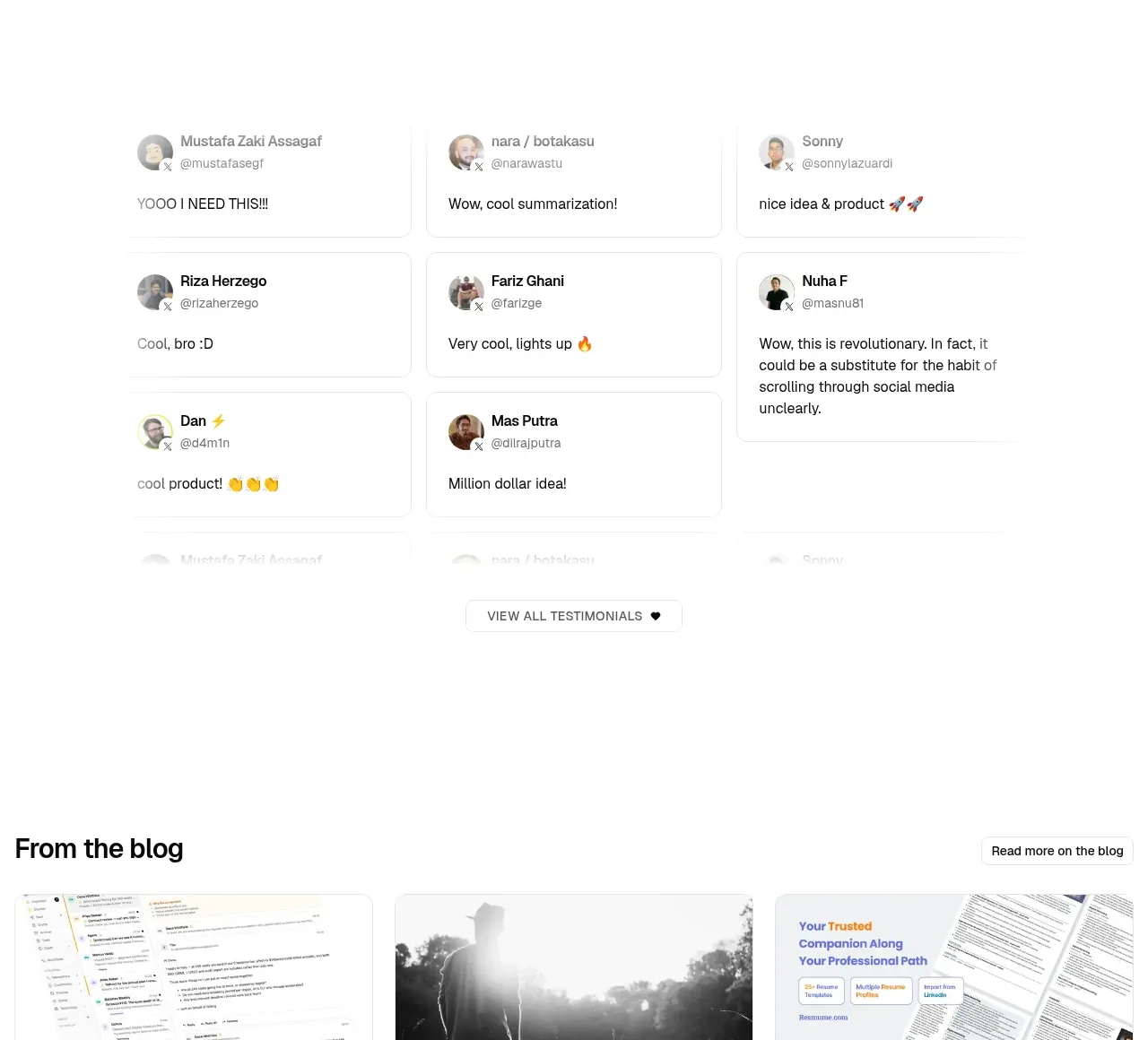
 Community testimonials
LaterOn v2: The agentic email plaftform · Testimonials
Community testimonials
LaterOn v2: The agentic email plaftform · Testimonials