kage
kage
tonebird.ai
Design analysis
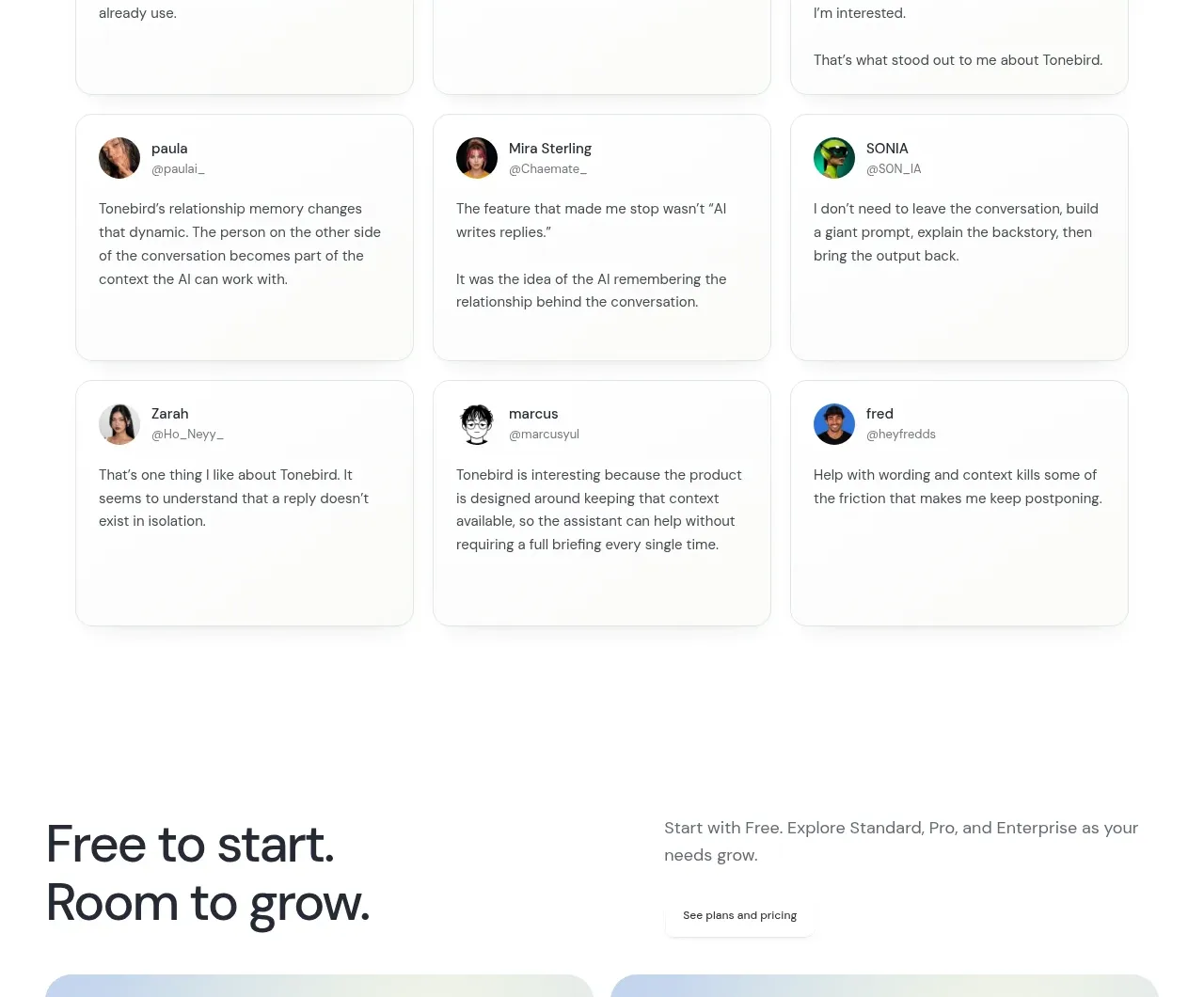
A compact trust section pairs a simple security visual with direct copy about ownership, settings, and user control.
Prompt preview
## Reference images

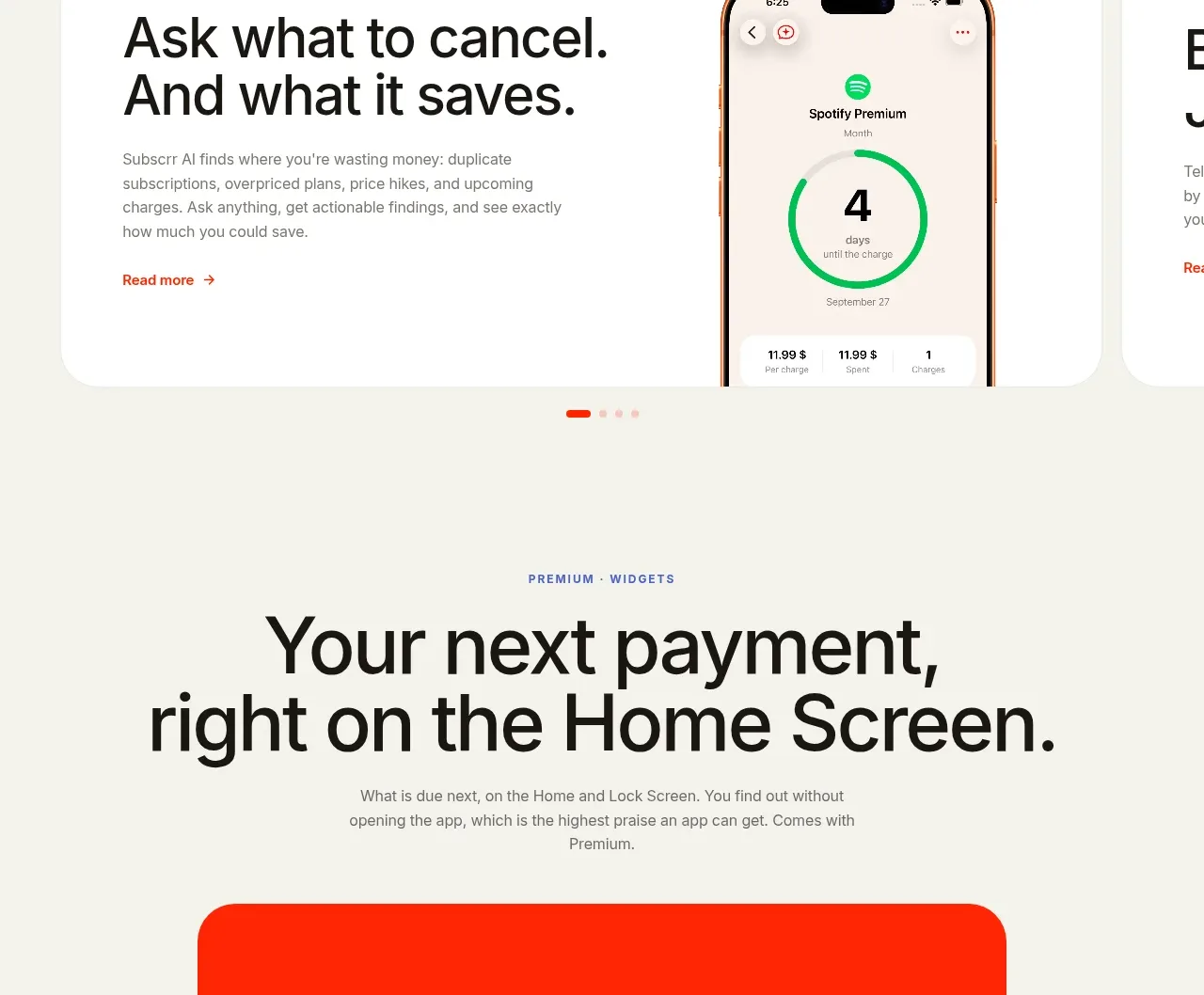
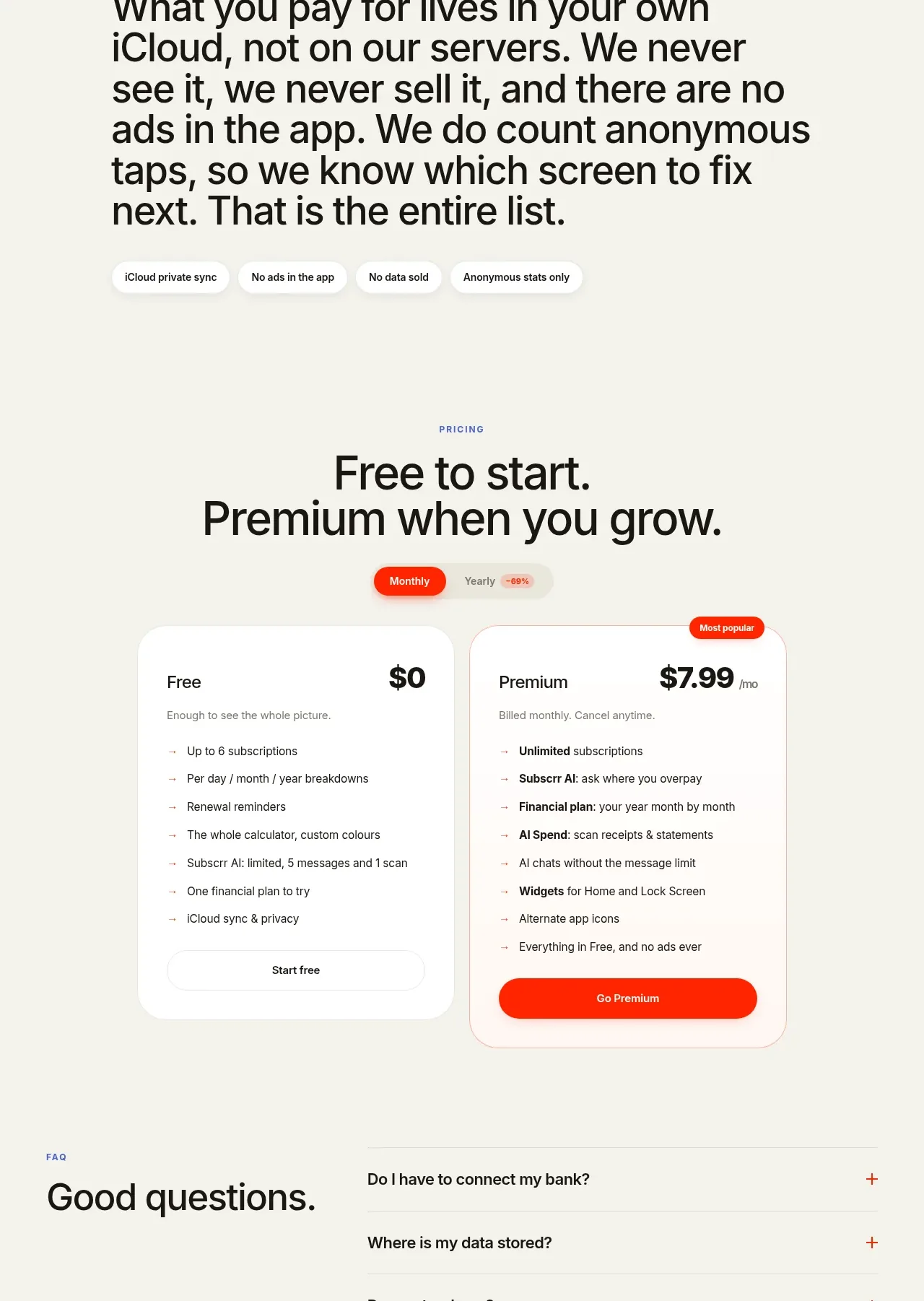
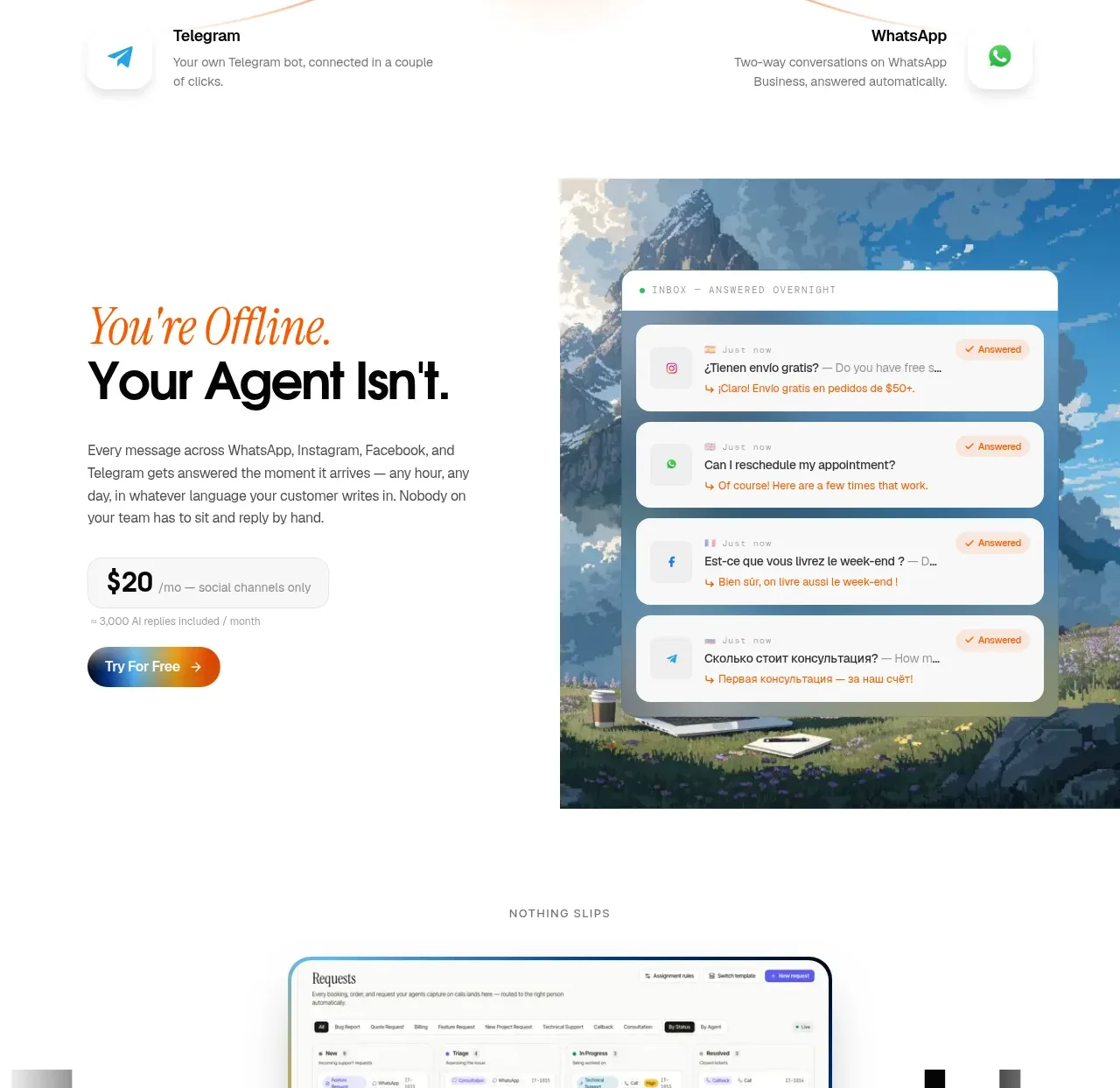
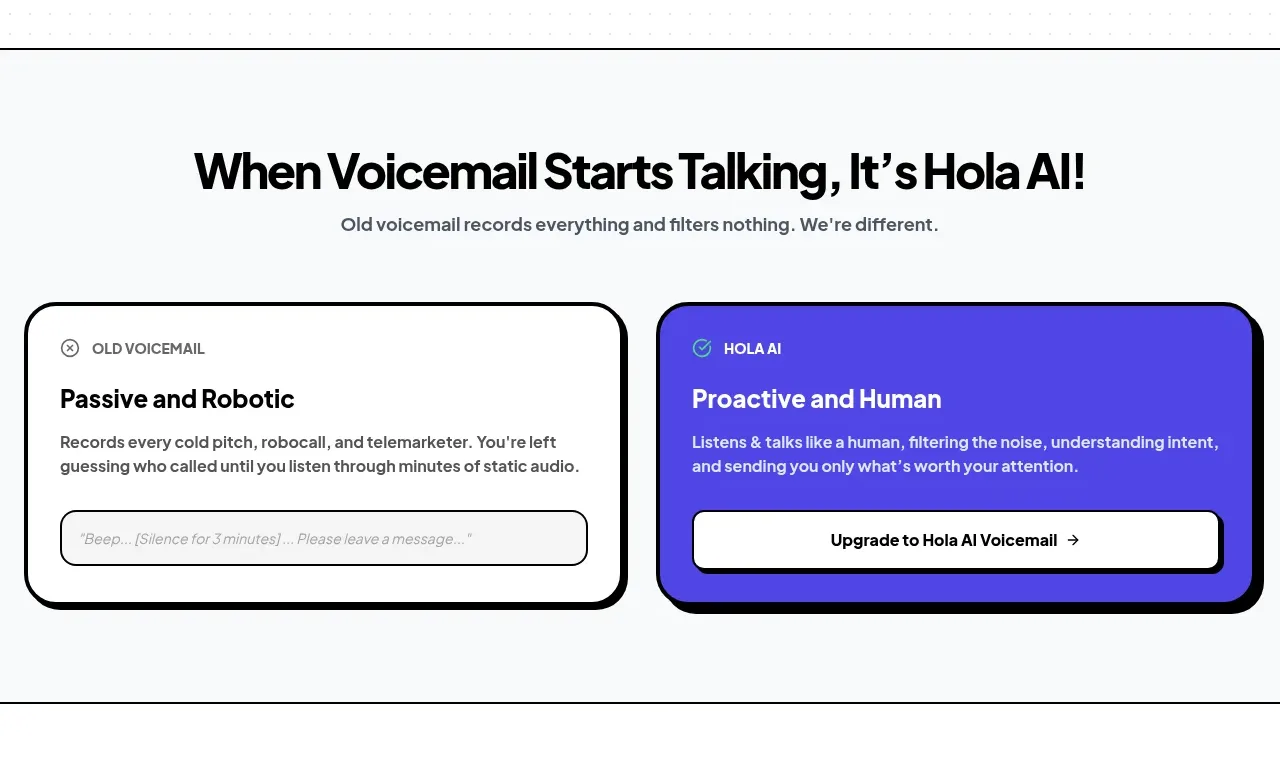
Study these alongside the description below: hierarchy, rhythm, spacing, colour. Build for the product you are asked about, using this design language.

- Component: https://kage-design-assets.t3.tigrisfiles.io/components/tonebird/16d0d272-e4c0-4394-9450-270e8dcbe6b2-1790229840-8.webp
- Full page it was cut from: https://kage-design-assets.t3.tigrisfiles.io/screenshots/tonebird/16d0d272-e4c0-4394-9450-270e8dcbe6b2-1790229760726-full.webp
- Component on Kage: https://kage.design/component/tonebird-card

## Before you start
Ask what privacy promise the user's product can genuinely make and what controls users can access. Build a clear, non-alarmist trust section.

Use a two-column layout with a simple abstract security symbol or product control visual on the left and a heading, short paragraph, and text link on the right. Keep the copy direct and avoid fear-based language. Use a 32–42px heading, 13–15px body text, white background, and a small accent visual in the brand's strongest color. The section should have generous horizontal padding and enough height to feel intentional without becoming a card-heavy block. Use #202329 text, #697374 body text, and a subtle underline or arrow for the link. Ensure the visual has accessible alt text and does not imply security guarantees the product cannot substantiate.

Never: copy logos, product names, copy, illustrations, or imagery from the reference.