 kage
zro.moonmath.ai
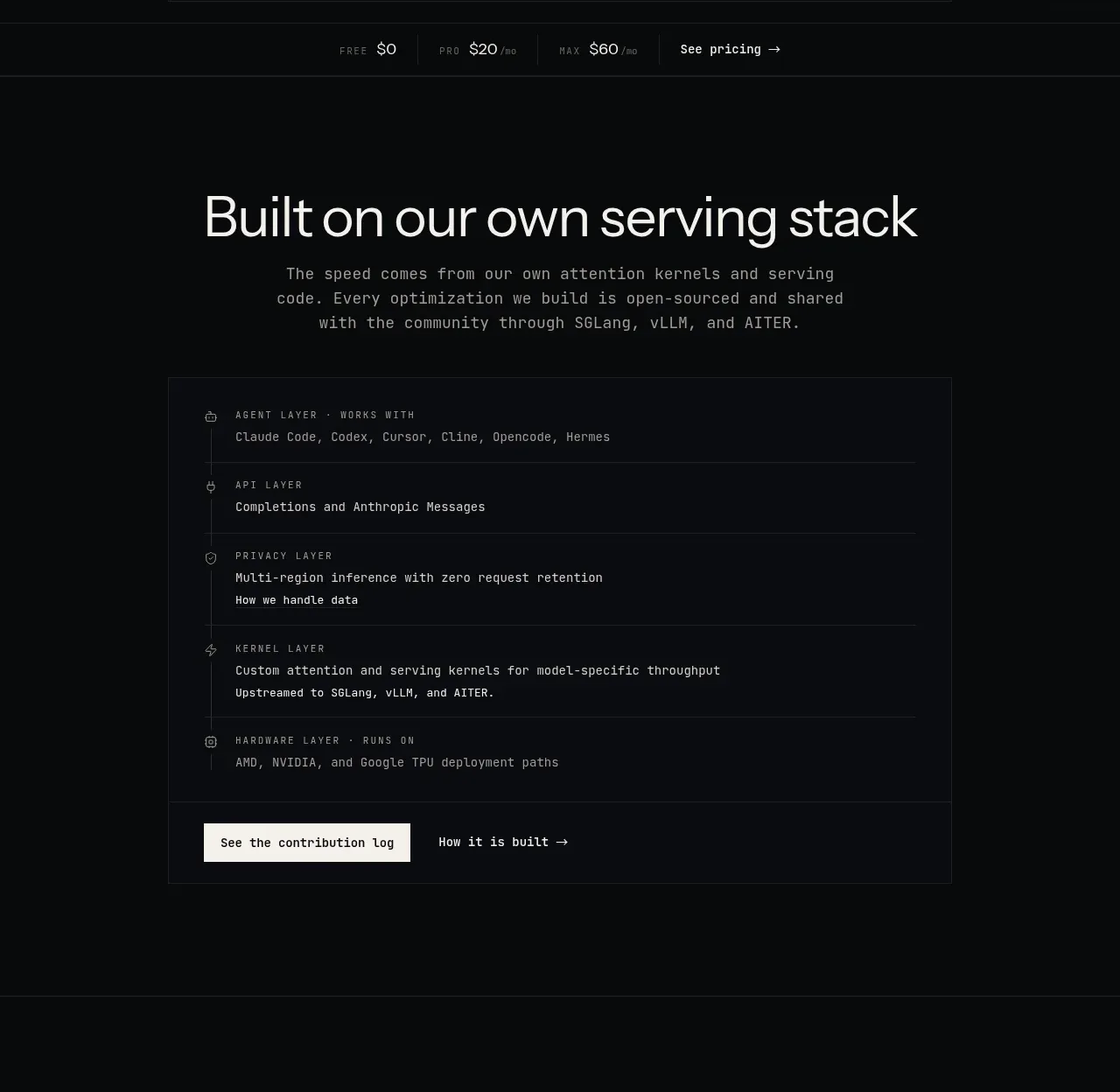
Design analysis
A centered section heading introduces a single structured architecture panel listing layered infrastructure, followed by contribution and implementation links.
Prompt preview
## Reference images

Study these alongside the description below: hierarchy, rhythm, spacing, colour. Build for the product you are asked about, using this design language.

- Component: https://kage-design-assets.t3.tigrisfiles.io/components/zro-uncensored-security-models/e20130e7-a5cc-45c0-9379-5144f5425289-1793253723-4.webp
- Full page it was cut from: https://kage-design-assets.t3.tigrisfiles.io/screenshots/zro-uncensored-security-models/e20130e7-a5cc-45c0-9379-5144f5425289-1793253671388-full.webp
- Component on Kage: https://kage.design/component/zro-uncensored-security-models-feature-grid

## Before you start
Ask what the user's product and brand are, then apply the following principles to that context.

Build an architecture-focused feature section with a centered heading and short explanatory paragraph, followed by one large bordered panel rather than a conventional card grid. Inside the panel, show 4–5 vertically ordered layers. Each row should have a tiny line icon, an uppercase category label, a concise title or capability line, and optional supporting detail. Connect the rows with a subtle vertical guide to communicate system depth. Add a bottom action row with one filled button and one text link. Use panel background `#0a0c0f`, border `#1d2025`, text `#e7e7e2`, muted copy `#858990`, and accent lines/icons `#777d84`. Maintain 24–32px panel padding, 20–28px row spacing, and a clear heading-to-panel gap. Avoid card shadows; rely on rules and alignment.

Never: use logos, product names, copy, illustrations or imagery from the reference.
More components

 Outbound partner benefits
throxy · Feature grid
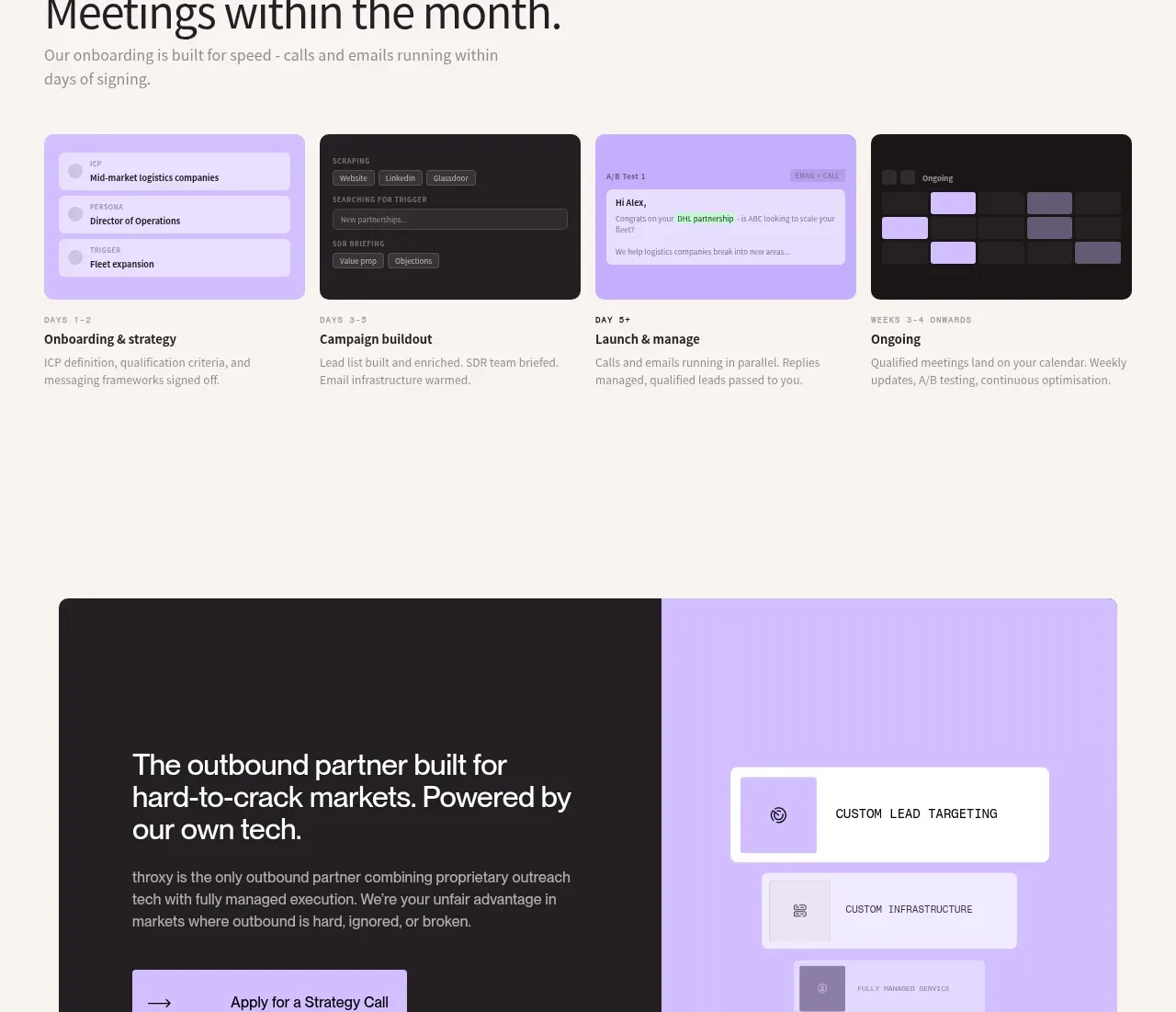 Rapid onboarding timeline
throxy · Feature grid
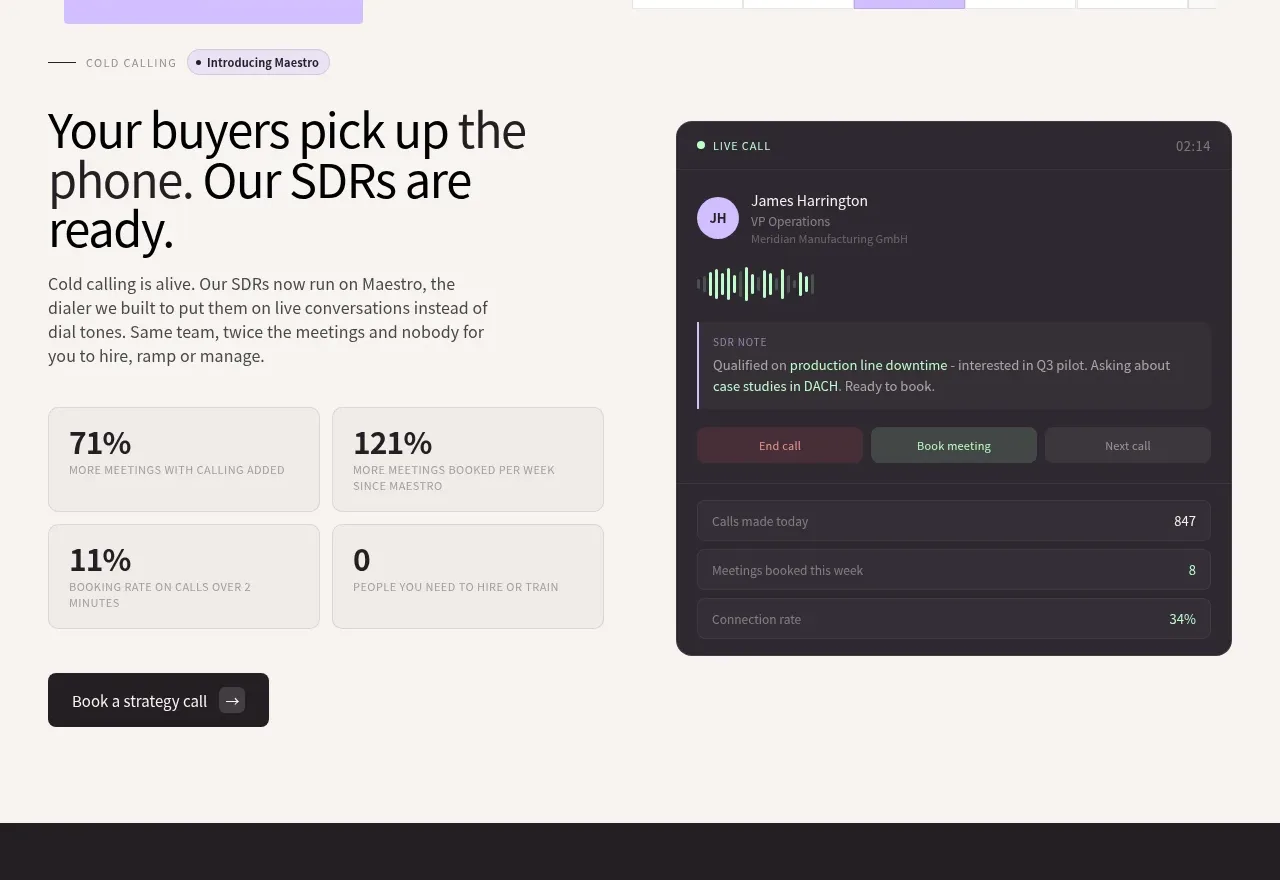 Cold-calling performance section
throxy · Feature grid
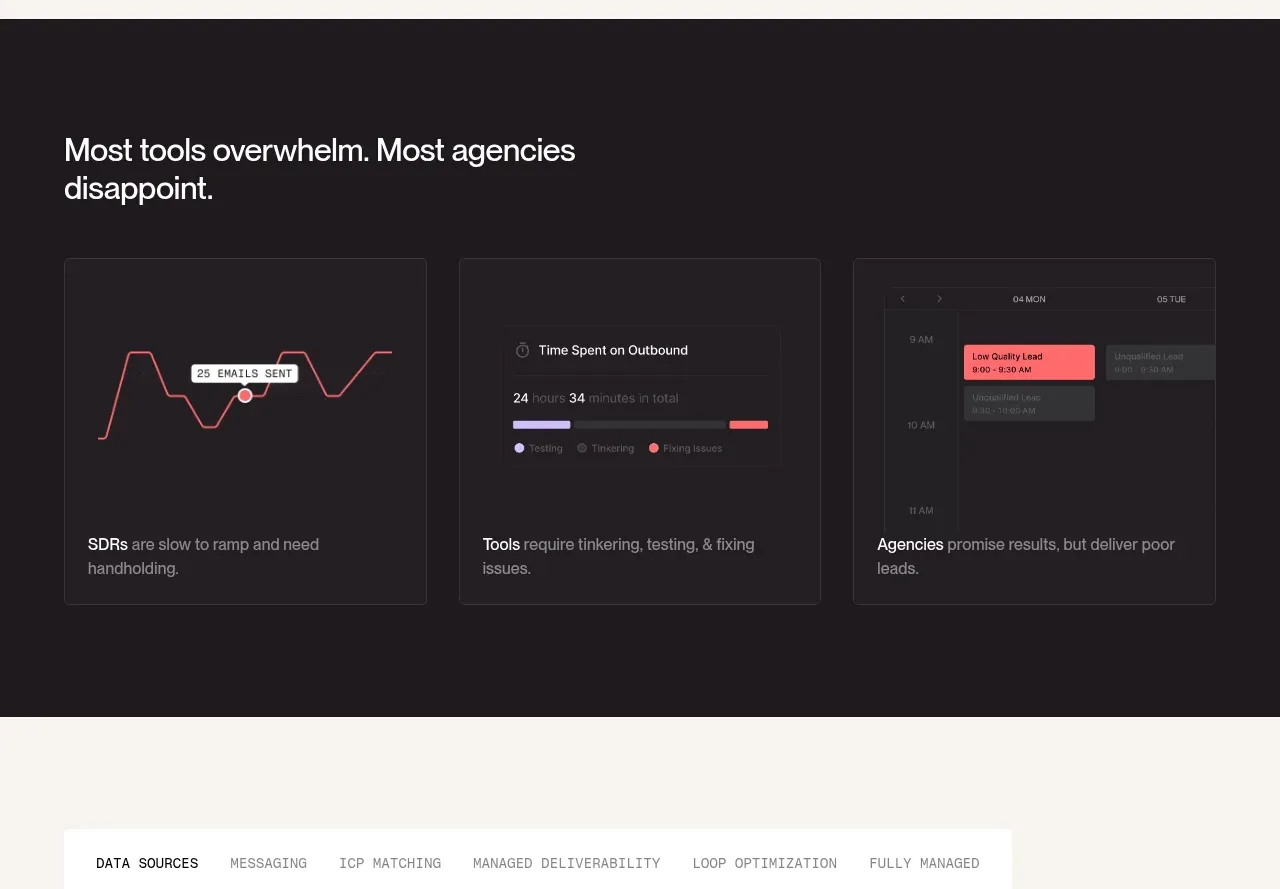 Why alternatives disappoint
throxy · Feature grid
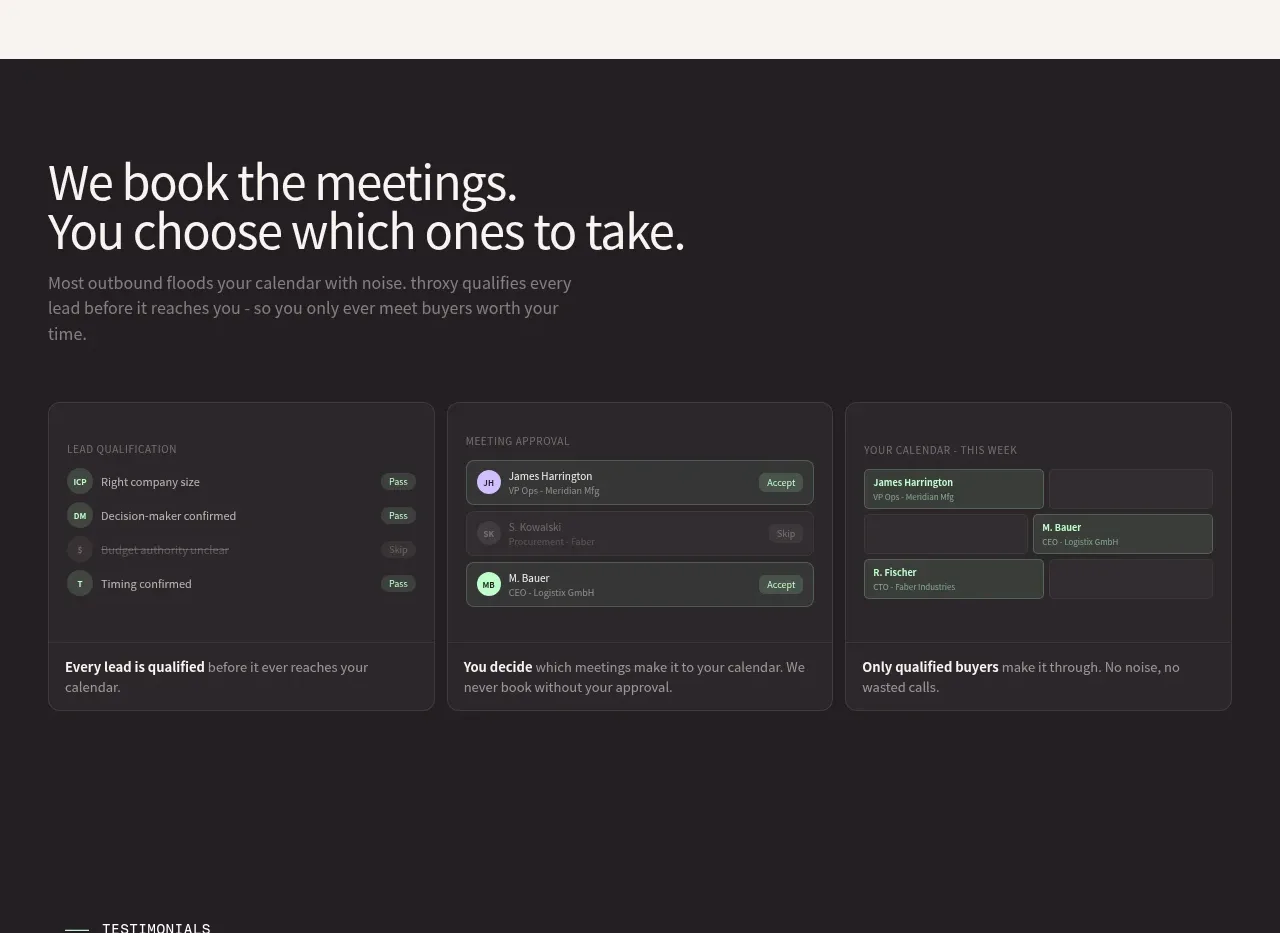 Qualification workflow cards
throxy · Feature grid
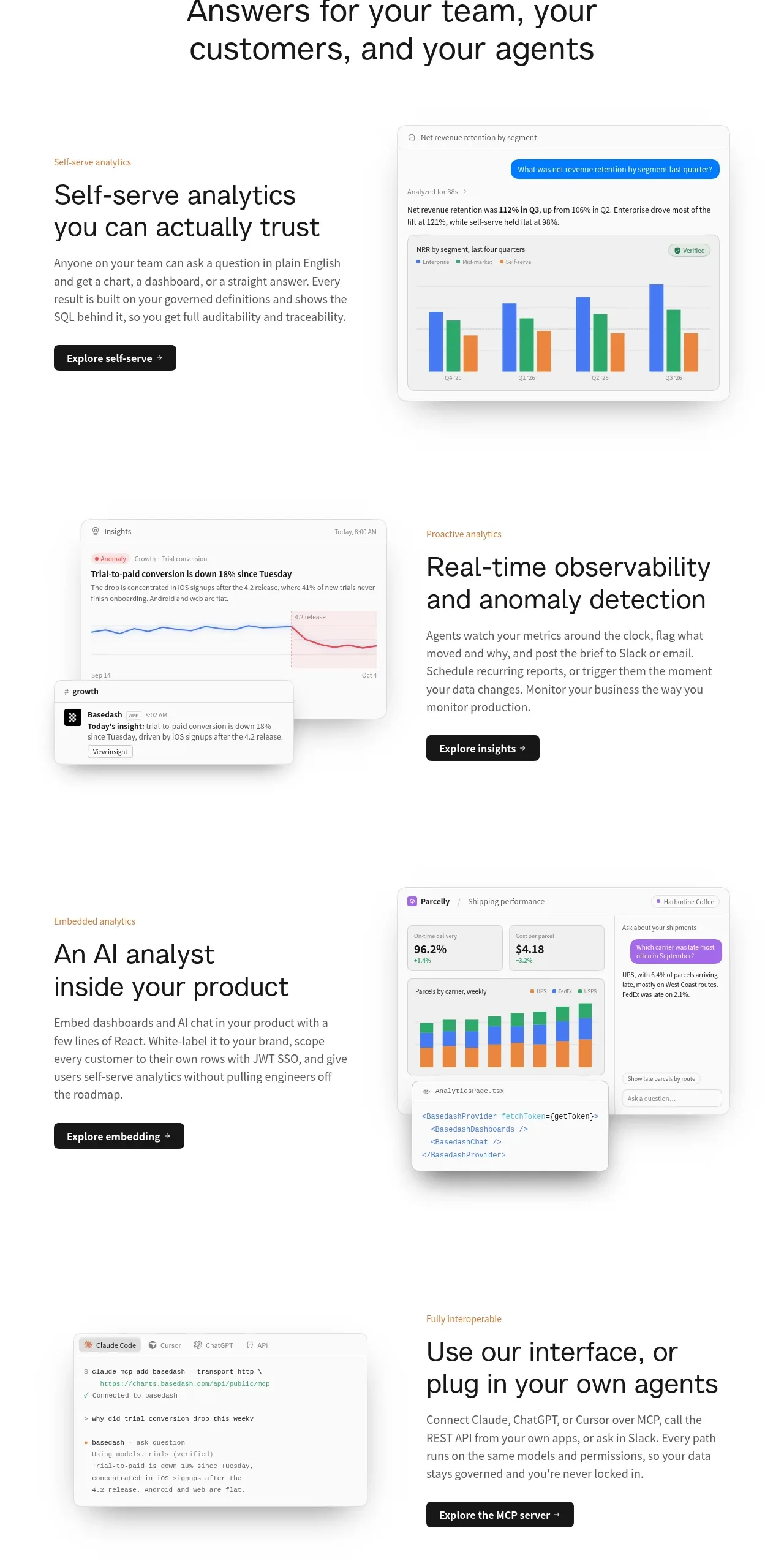
 Analytics capability showcase
Basedash View-only members · Feature grid