kage
usefastlane.ai
Design analysis
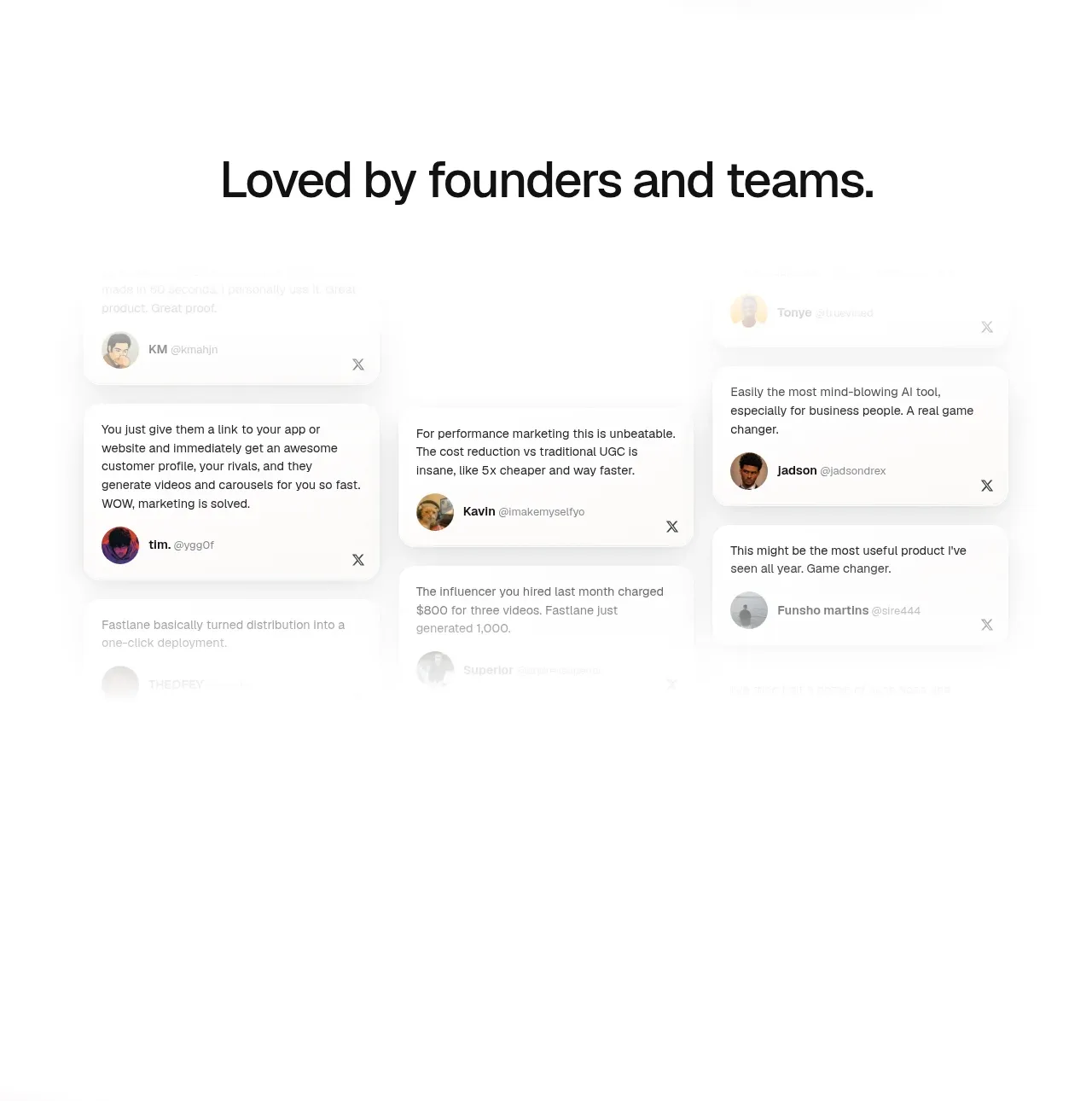
A split case-study band pairs a strong quantified outcome with a portrait video, a CTA, and a small quote card for a concrete product narrative.
Prompt preview
## Reference images

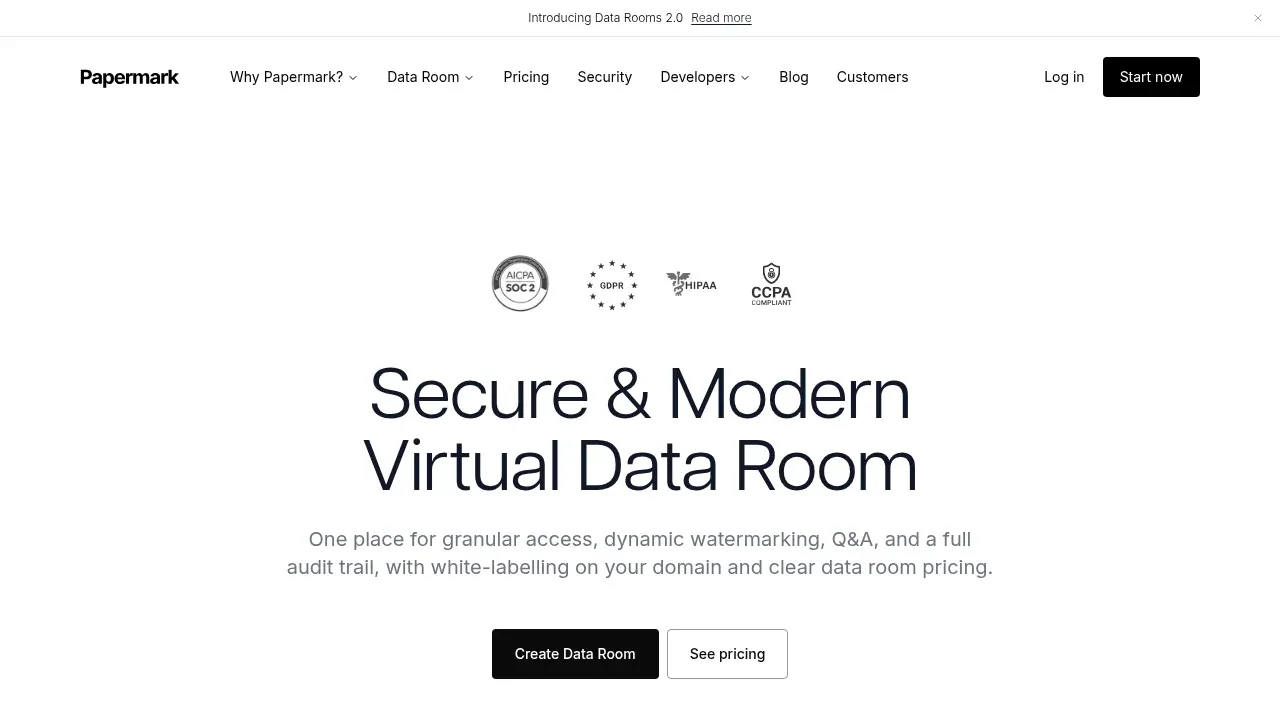
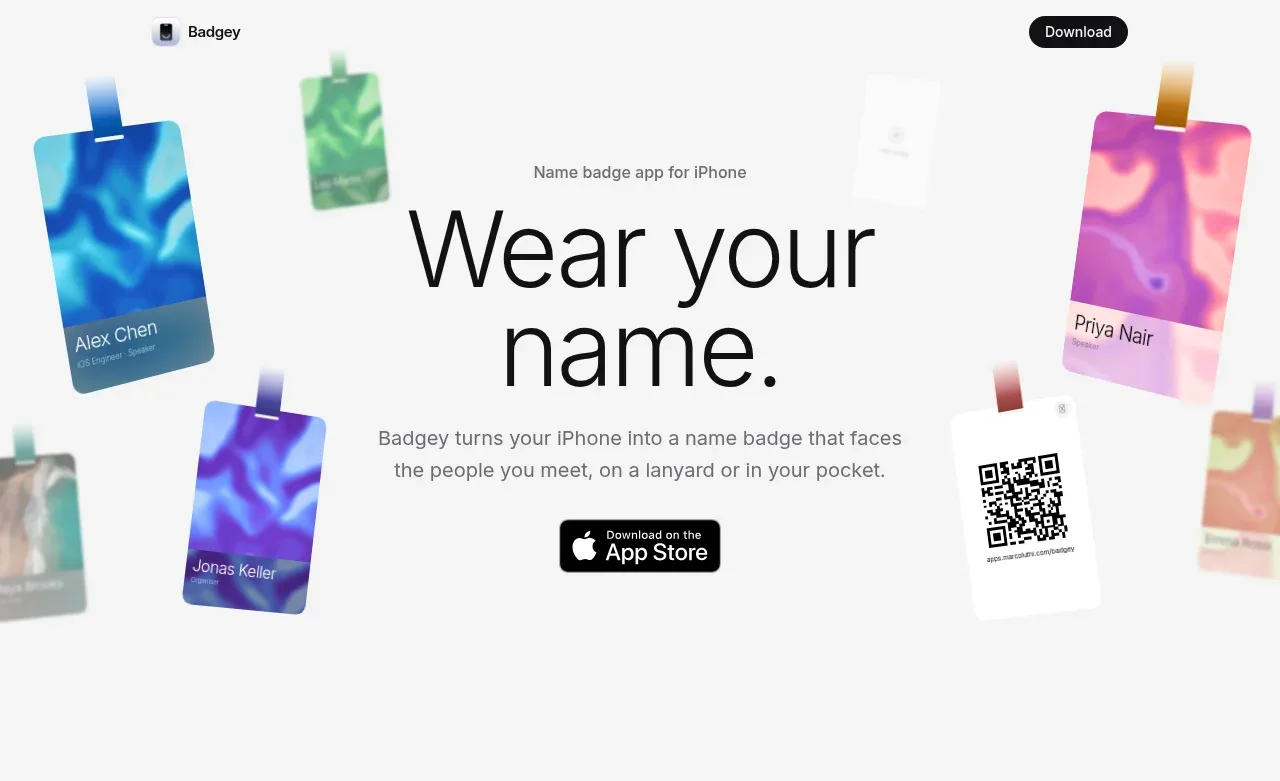
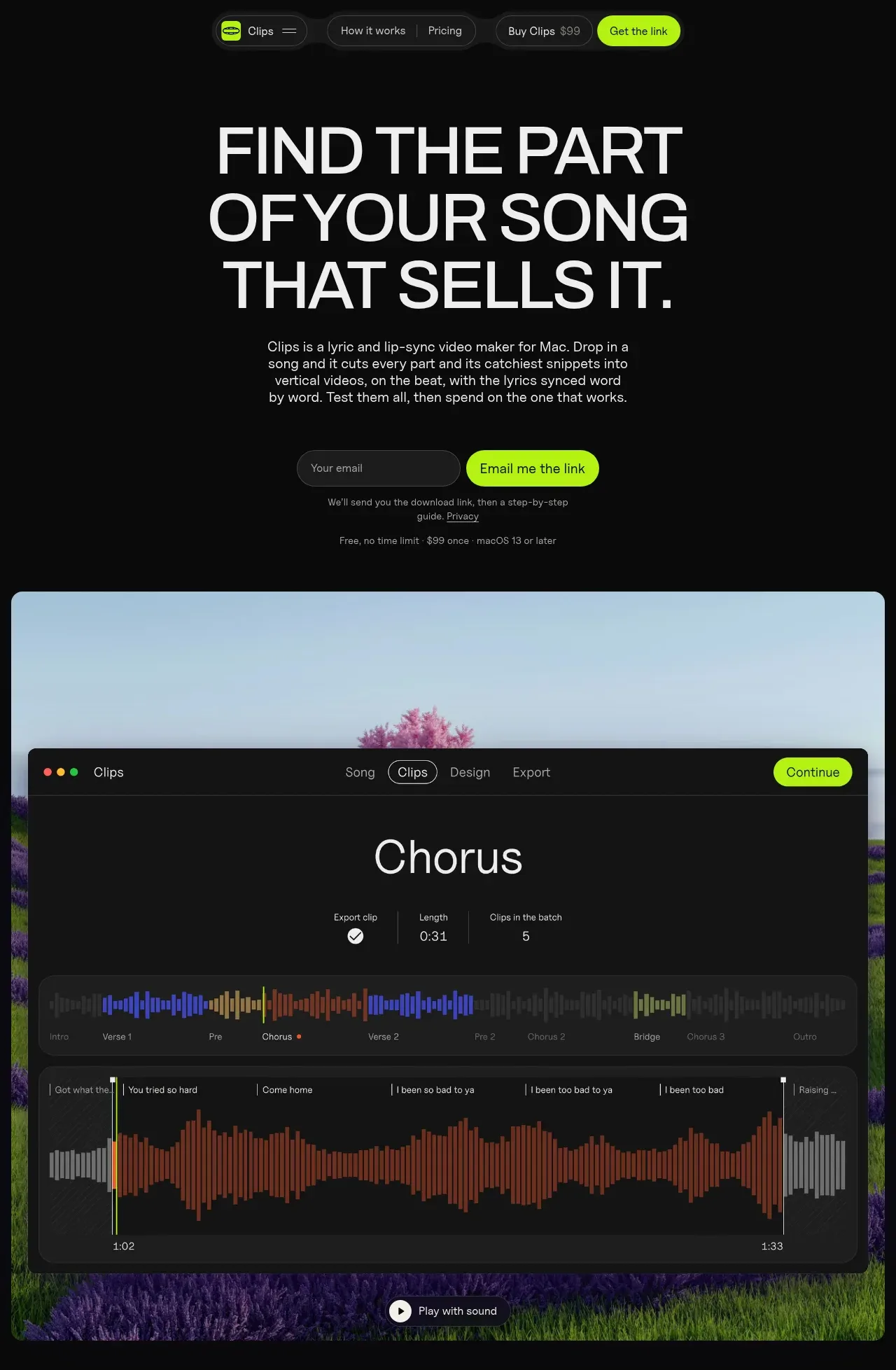
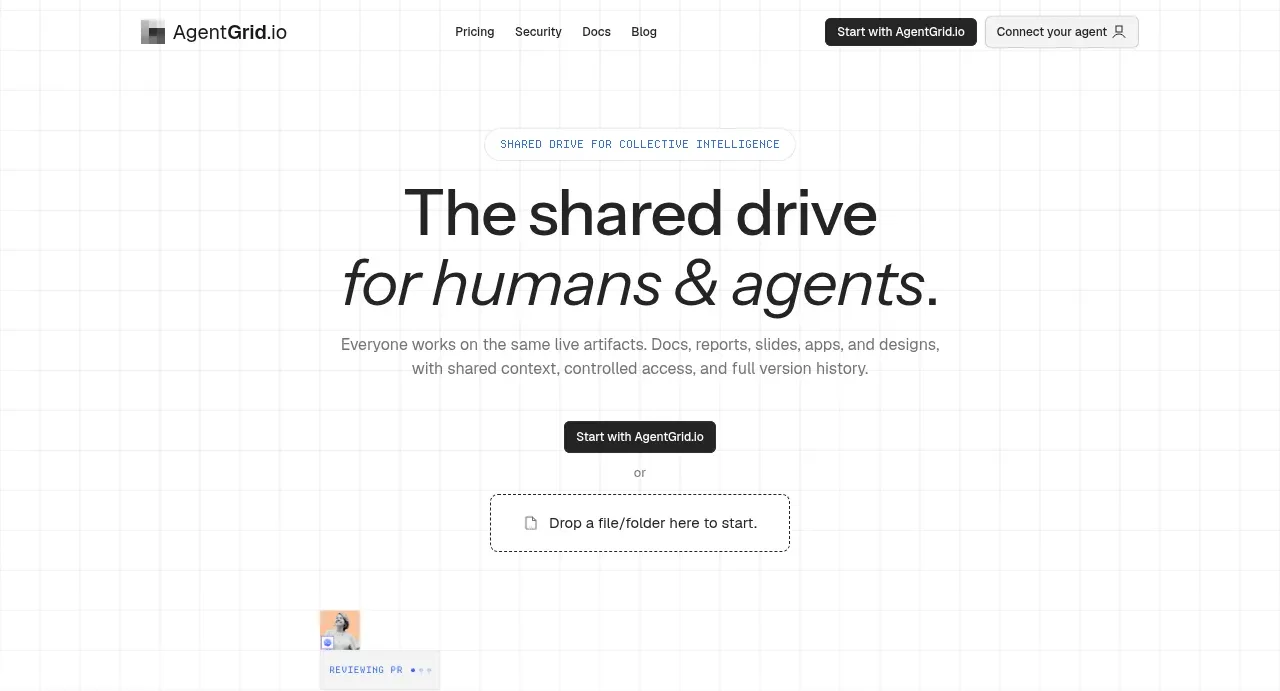
Study these alongside the description below: hierarchy, rhythm, spacing, colour. Build for the product you are asked about, using this design language.

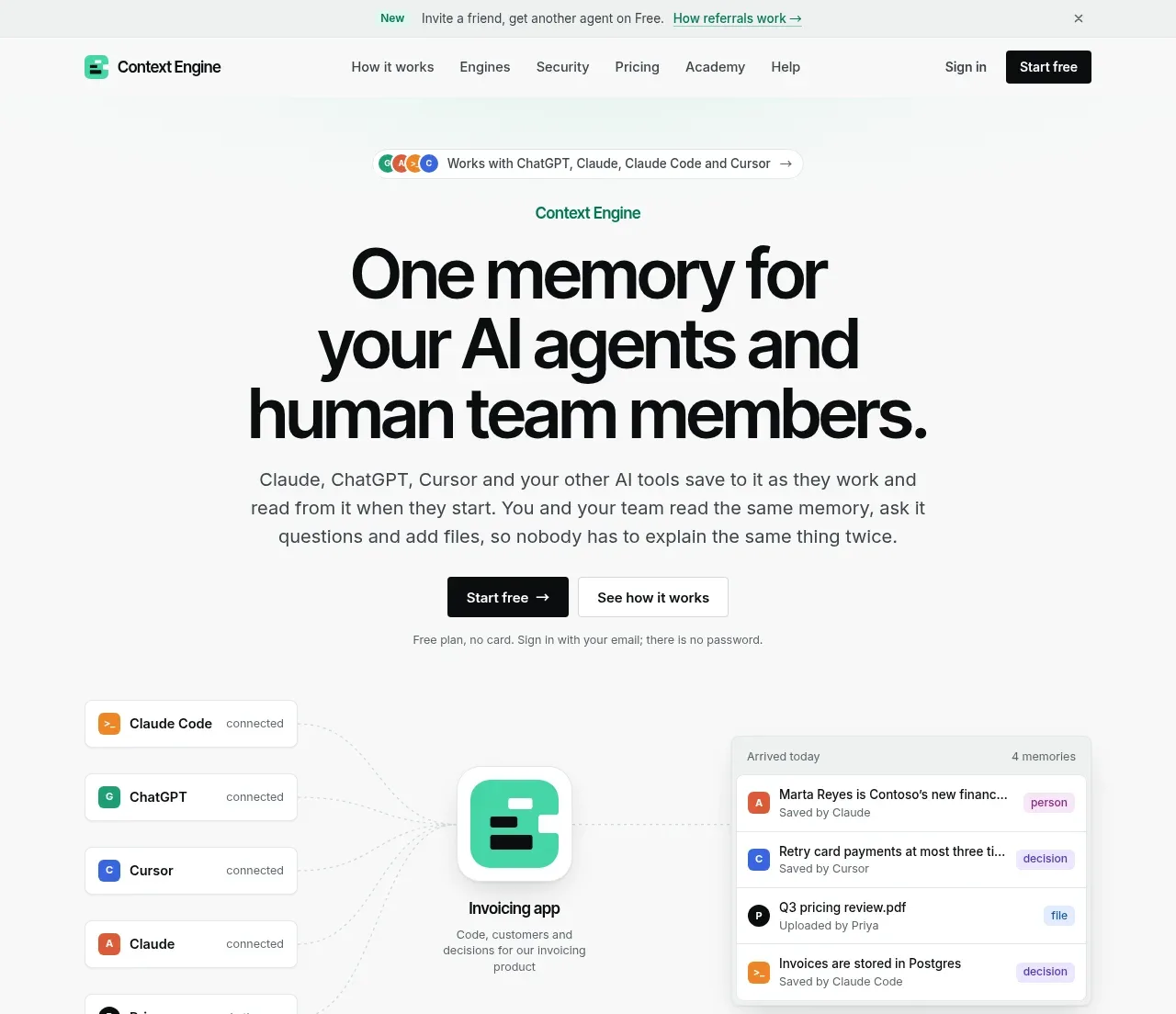
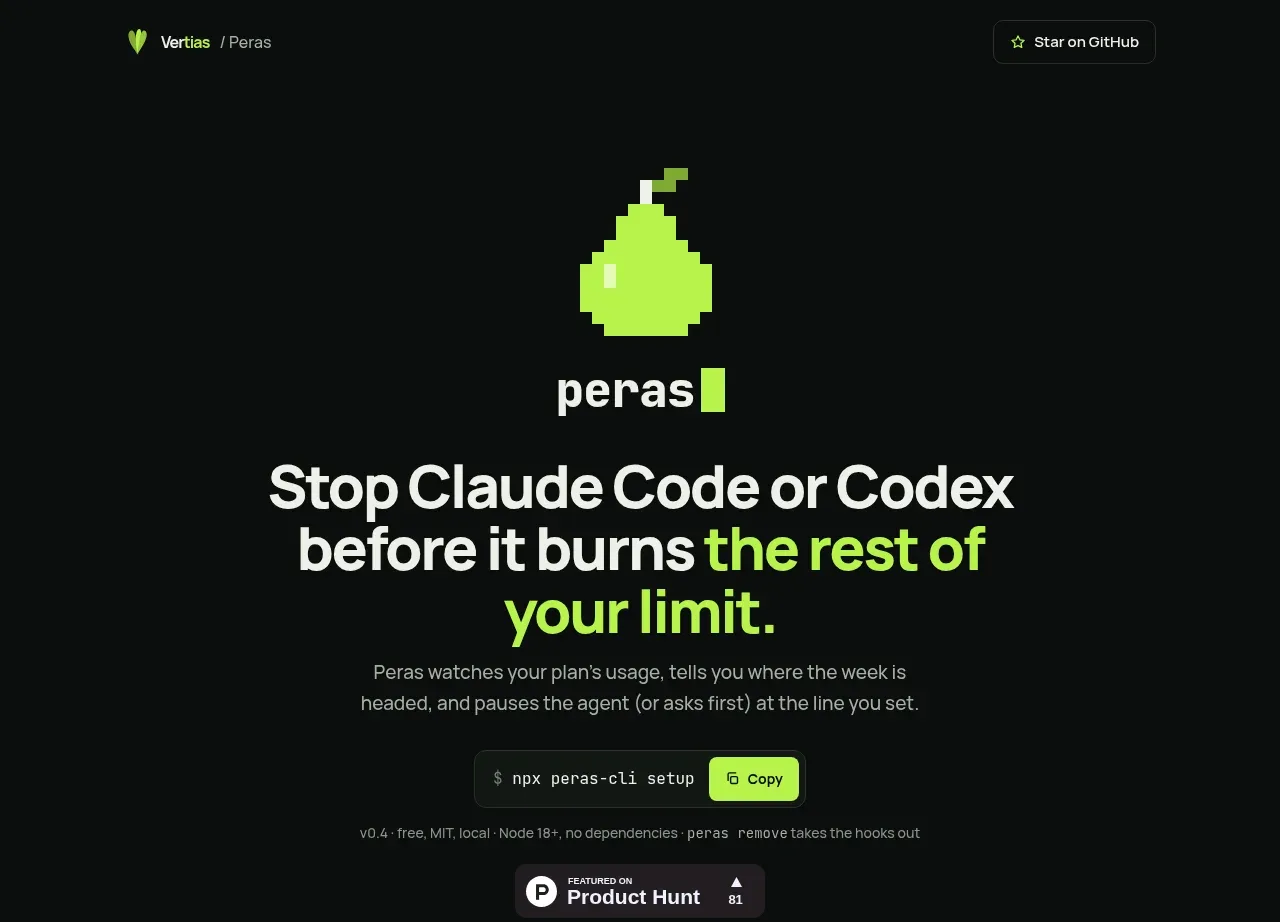
- Component: https://kage-design-assets.t3.tigrisfiles.io/components/fastlane-2-0/959a4273-adb0-42a9-9dfc-df0ea320e78d-1792735310-5.webp
- Full page it was cut from: https://kage-design-assets.t3.tigrisfiles.io/screenshots/fastlane-2-0/959a4273-adb0-42a9-9dfc-df0ea320e78d-1792735248580-full.webp
- Component on Kage: https://kage.design/component/fastlane-2-0-hero-2

## Before you start
Ask for the user's strongest verified customer outcome, the appropriate customer story, and whether a real video or static media is available. Use only truthful, original material.

Create a split case-study section with a text column and a portrait media column. On desktop, place a 45–55% text area on the left and a 35–45% portrait video or image frame on the right; stack them on mobile. Use a large 42–60px headline with a measurable result, a 14–16px explanatory paragraph, and a coral primary CTA below. Add a small white testimonial card overlapping or sitting beneath the text, with a compact avatar, attribution, star or rating treatment, and a short quote. The media should have 18–24px rounded corners, a subtle shadow, and optional play controls. Keep the background white with a faint warm glow around the media, using #fff1ed and #ff3b3b sparingly. Ensure the result is the first thing scanned and that video controls have visible focus states.

Never: copy logos, product names, copy, illustrations, or imagery from the reference.