 kage
kage
neopress.ai
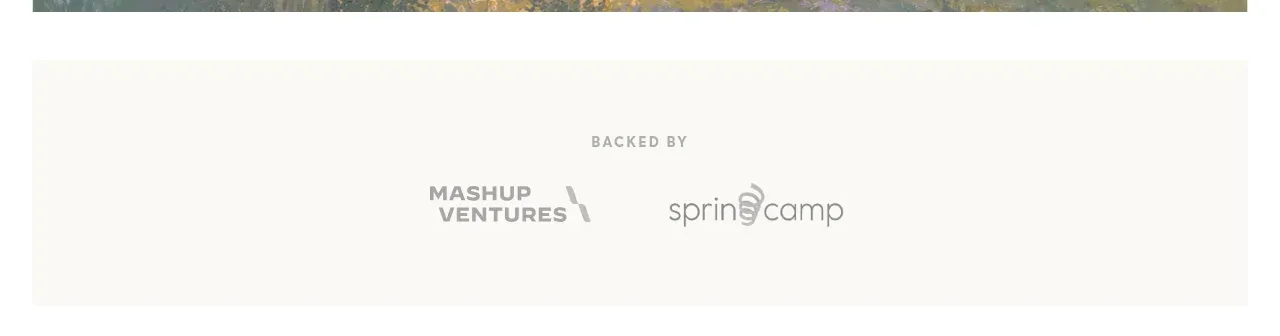
Design analysis
A quiet credibility band separates the hero demo from the gallery, using restrained attribution and partner marks without competing with the main message.
Prompt preview
## Reference images

Study these alongside the description below: hierarchy, rhythm, spacing, colour. Build for the product you are asked about, using this design language.

- Component: https://kage-design-assets.t3.tigrisfiles.io/components/neopress/126c1916-850c-4473-b9b4-49923d5d31e2-1789365753-3.webp
- Full page it was cut from: https://kage-design-assets.t3.tigrisfiles.io/screenshots/neopress/126c1916-850c-4473-b9b4-49923d5d31e2-1789365678746-full.webp
- Component on Kage: https://kage.design/component/neopress-logo-cloud

## Before you start
Ask which forms of credibility are real and appropriate for the user's product—customers, investors, certifications, or communities. Then create an original trust strip using only approved assets.

### Design language
- Center a short eyebrow such as a credibility label above a single horizontal row of marks within a softly tinted panel.
- Keep the strip visually quiet: small uppercase sans-serif label, low-contrast monochrome marks, generous horizontal spacing, and strong vertical padding.
- Use warm white (`#f8f7f3`) against the page's off-white (`#fbfaf7`), muted gray logos (`#9b9a94`), and a faint border (`#eeeae2`).
- Preserve supplied logo aspect ratios, use accessible alt text, and let the row wrap or become a horizontal scroll region on mobile.
- Avoid heavy shadows and keep the component short enough to act as a transition rather than a second hero.

### Never
- Never reuse logos, product names, copy, illustrations, or imagery from the reference.
- Never invent endorsements or imply affiliation that the user cannot substantiate.
More components
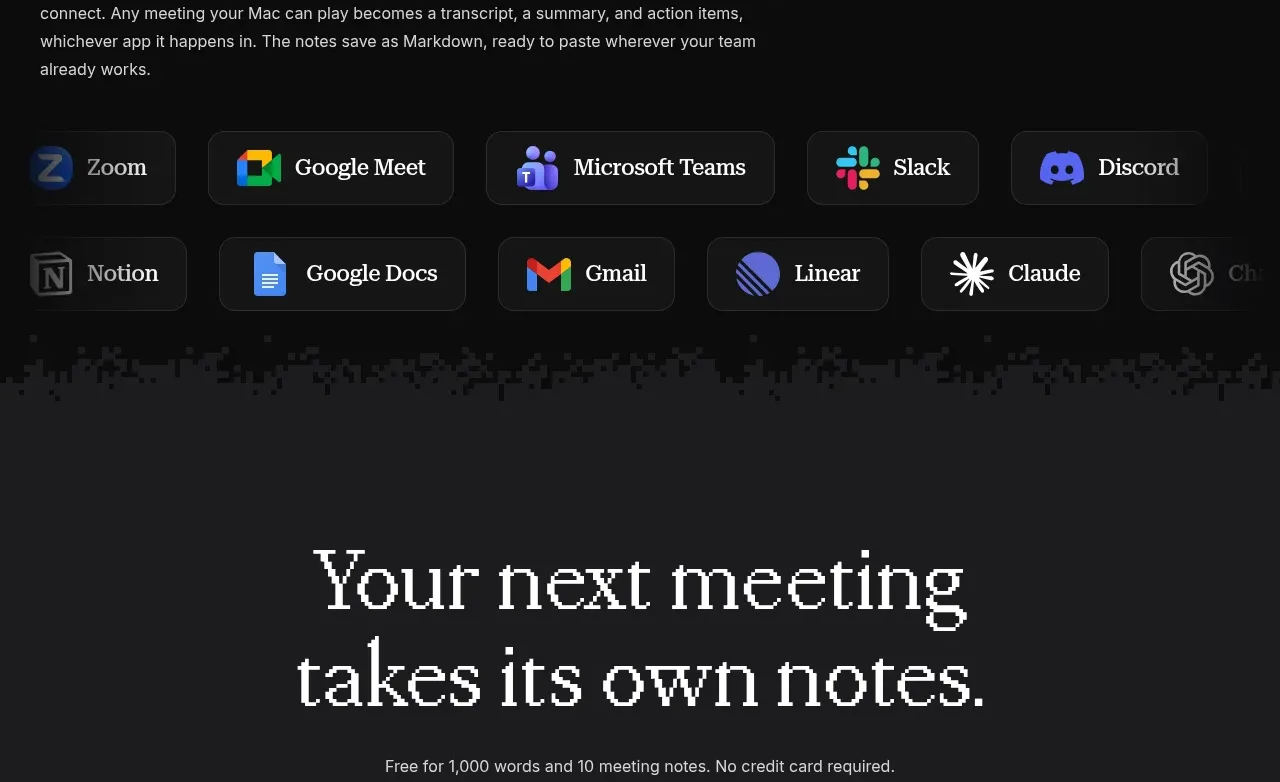
 Compatible apps strip
Epilude Notetaker · Logo cloud
Compatible apps strip
Epilude Notetaker · Logo cloud
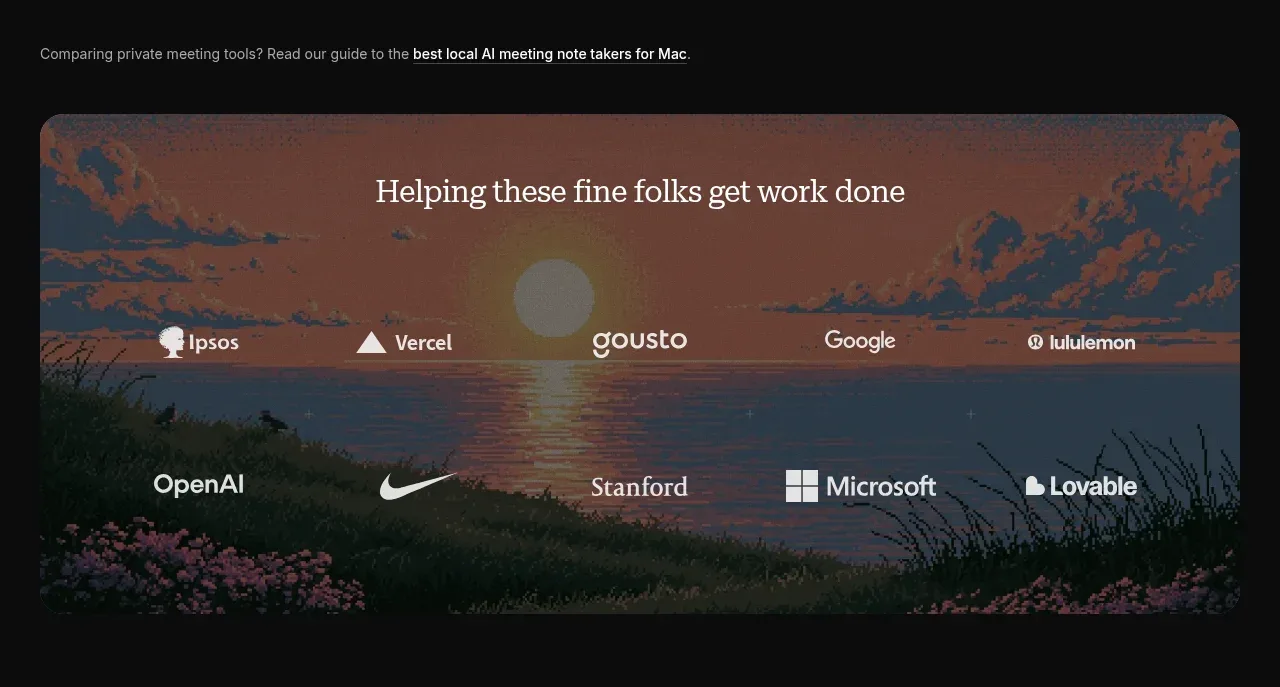 Customer trust banner
Epilude Notetaker · Logo cloud
Customer trust banner
Epilude Notetaker · Logo cloud

 Supported API surface strip
Cortex · Logo cloud
Supported API surface strip
Cortex · Logo cloud

 Trust logos and customer quotes
descript.com · Logo cloud
Trust logos and customer quotes
descript.com · Logo cloud

 Supported assets and services
ledger.com · Logo cloud
Supported assets and services
ledger.com · Logo cloud

 Press coverage logos
bunq.com · Logo cloud
Press coverage logos
bunq.com · Logo cloud